



Early 1952 saw unusually dry conditions and fierce northwest winds that caused tinder-dry forests to easily ignite with embers carried long distances, rapidly spreading brush fires across the region.
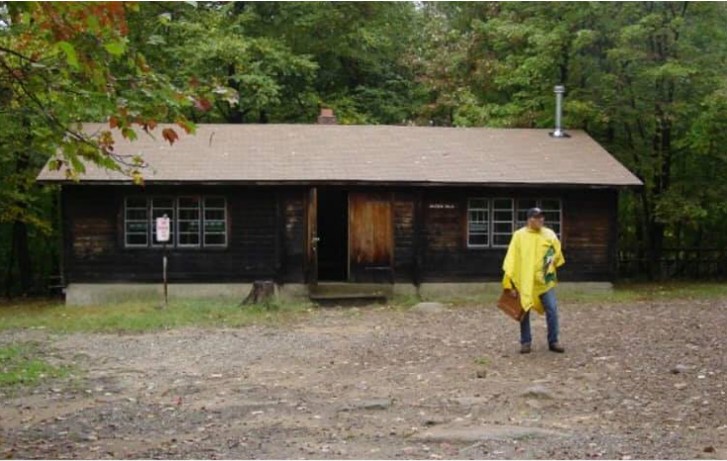
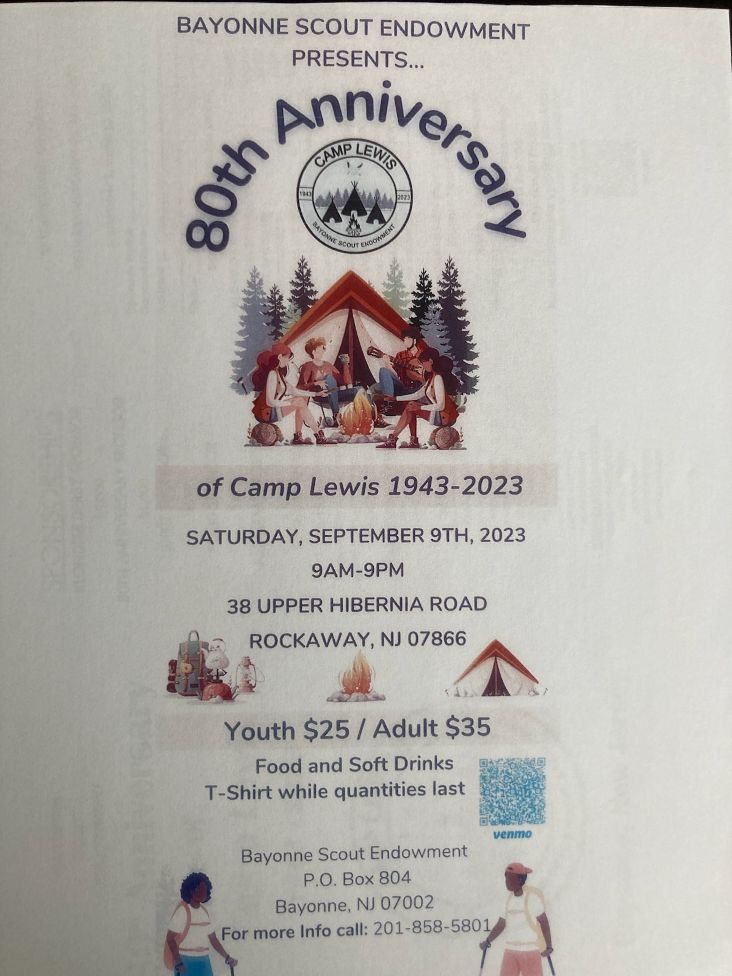
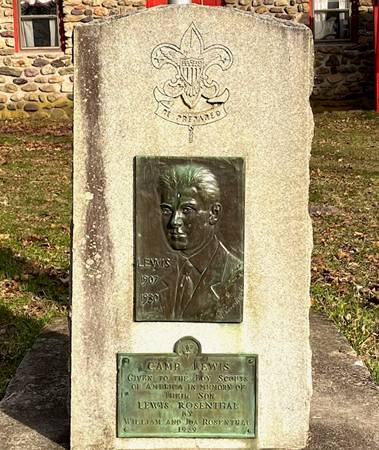
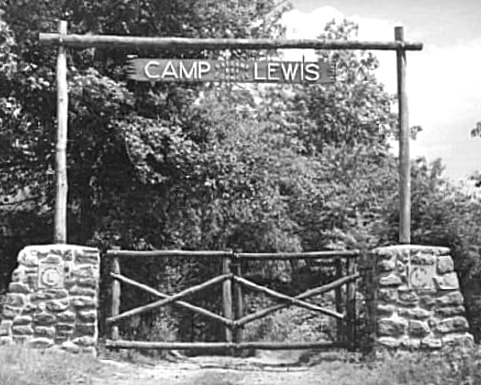
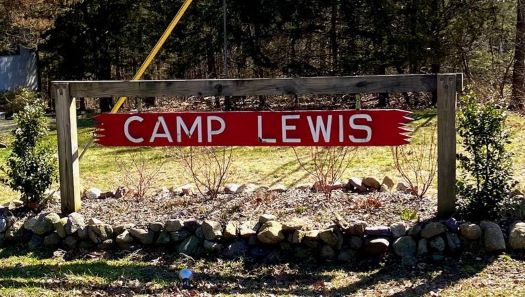
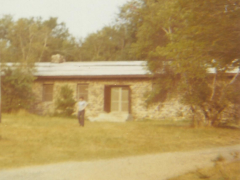
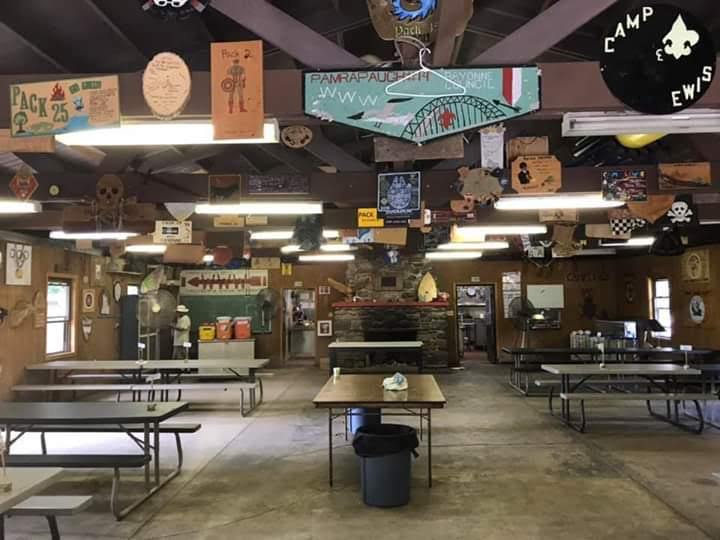
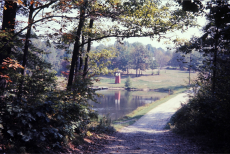
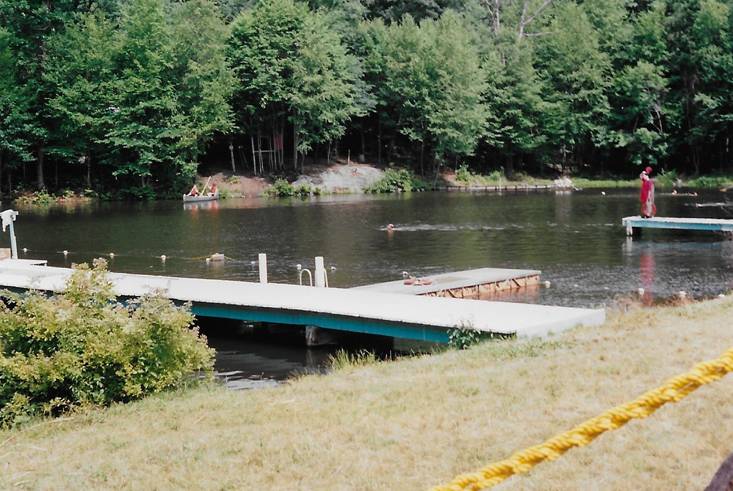
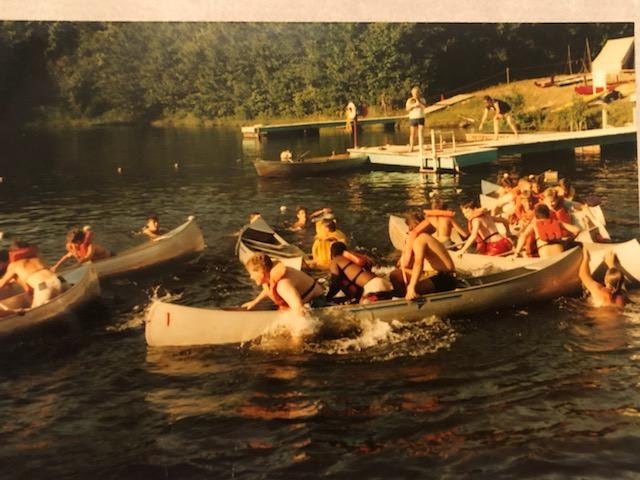
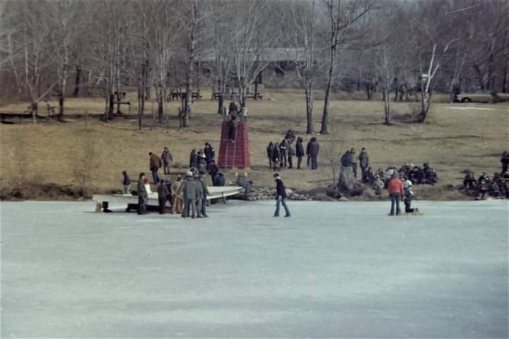
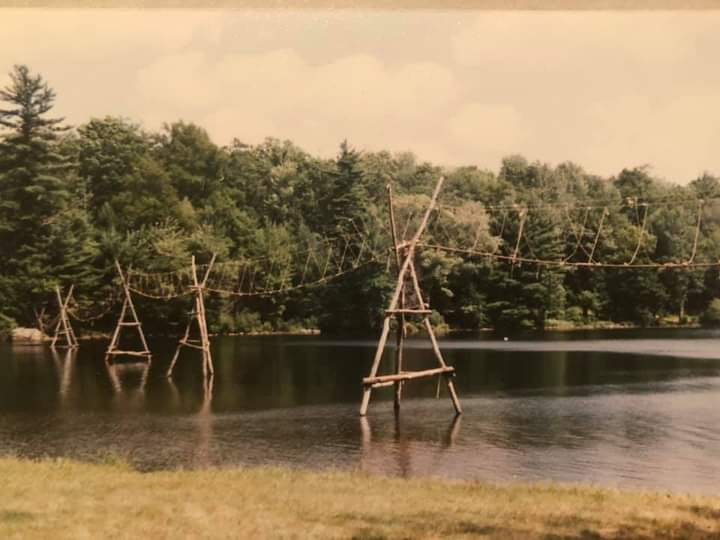
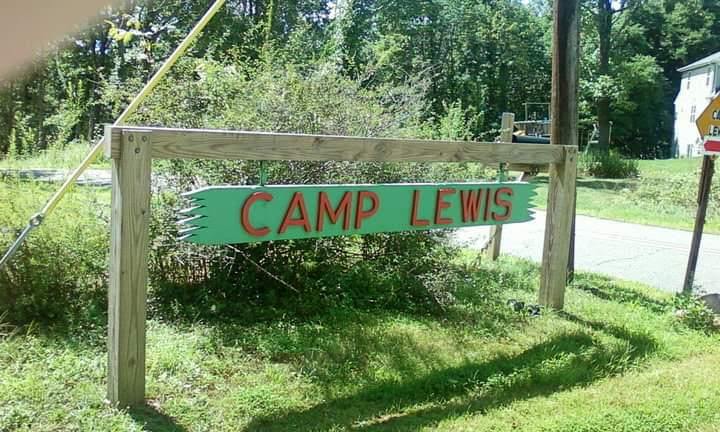
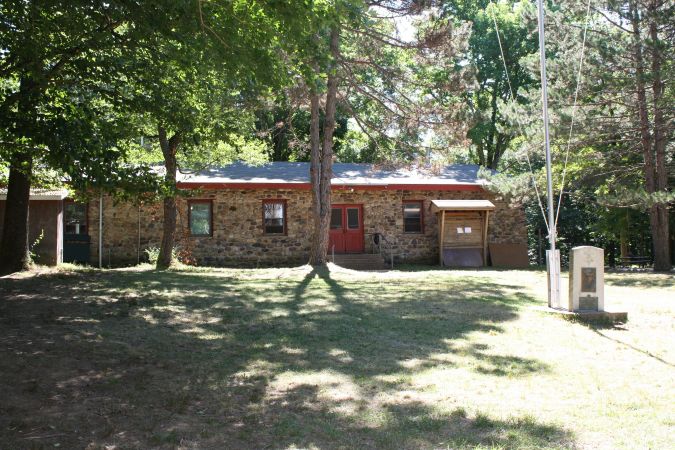
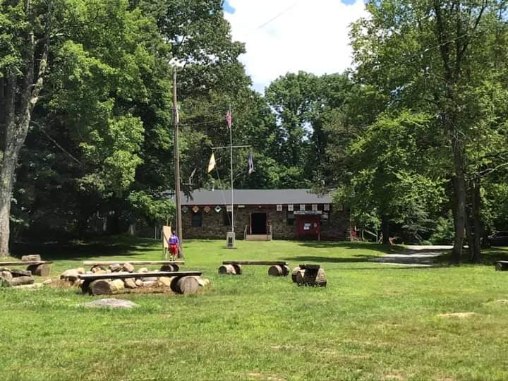
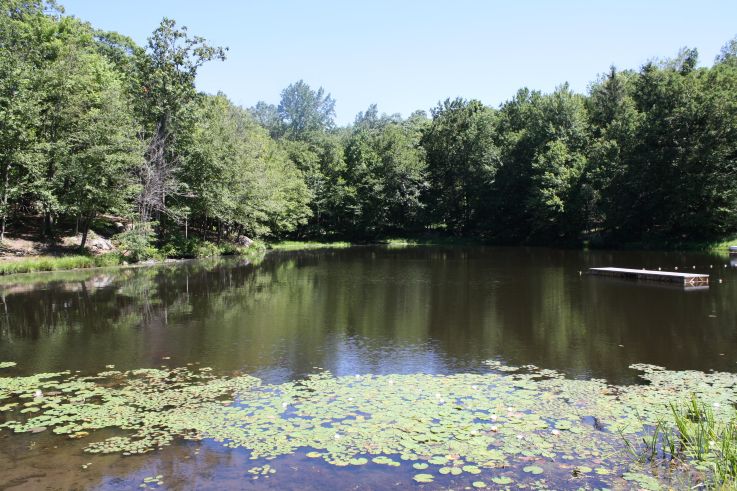
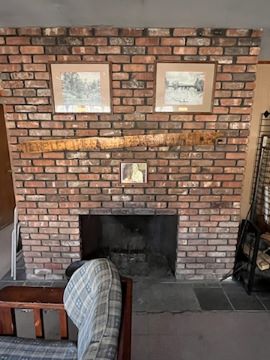
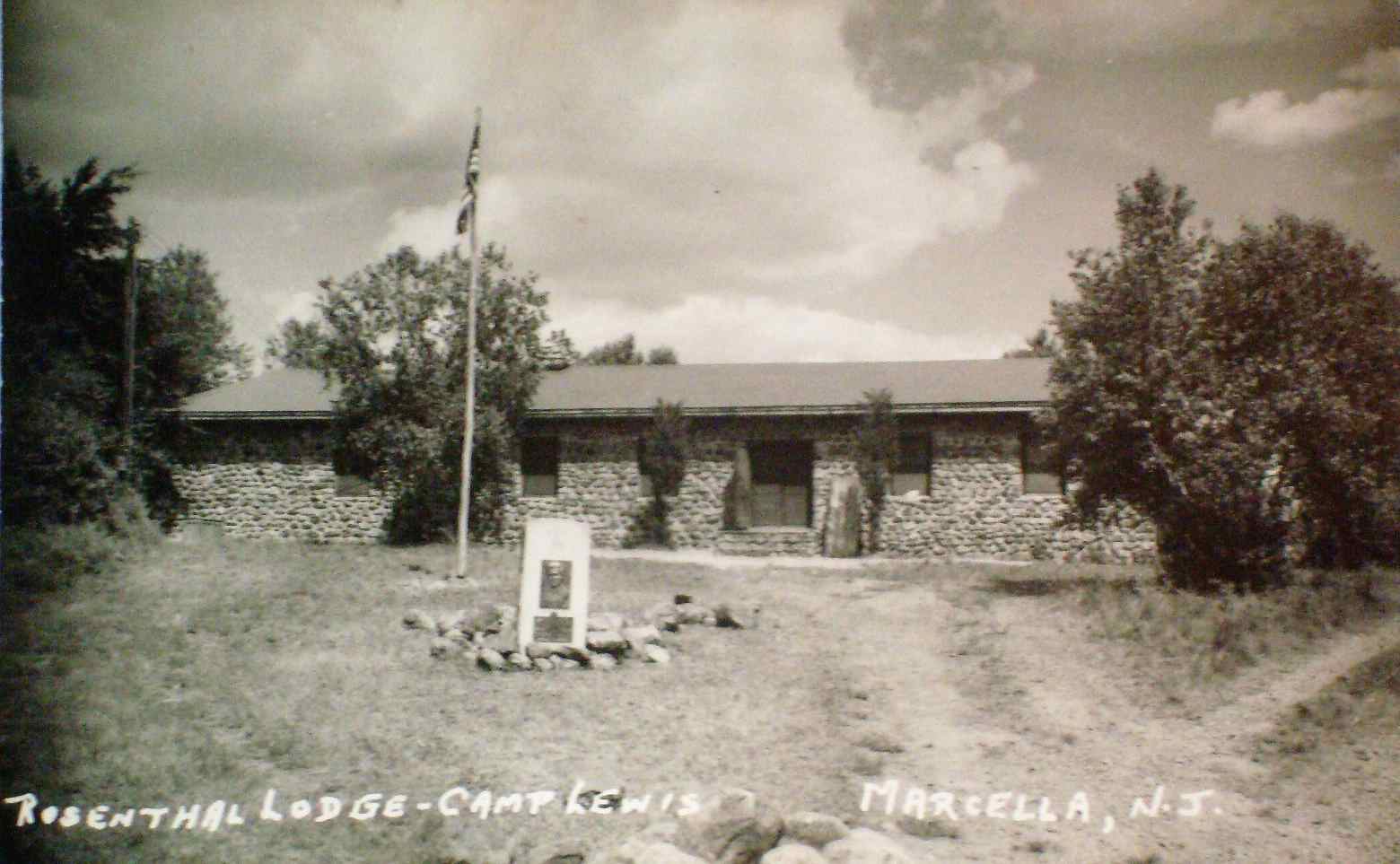
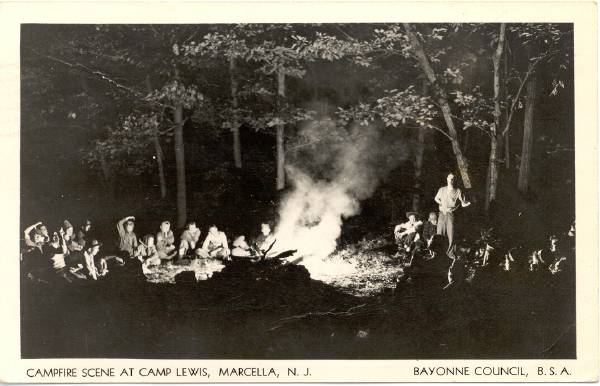
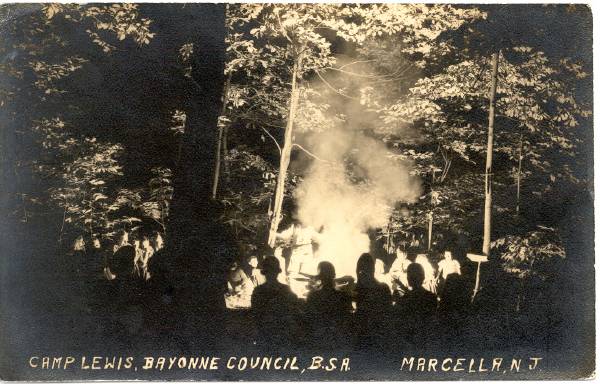
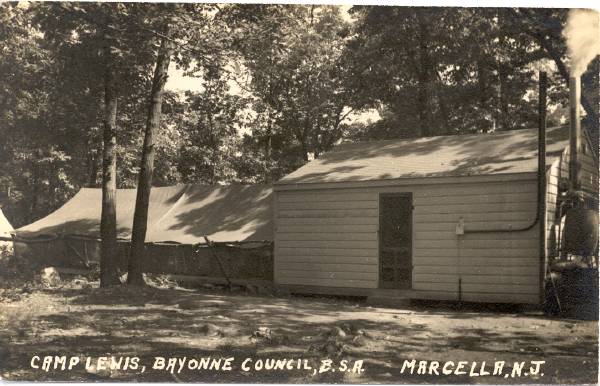
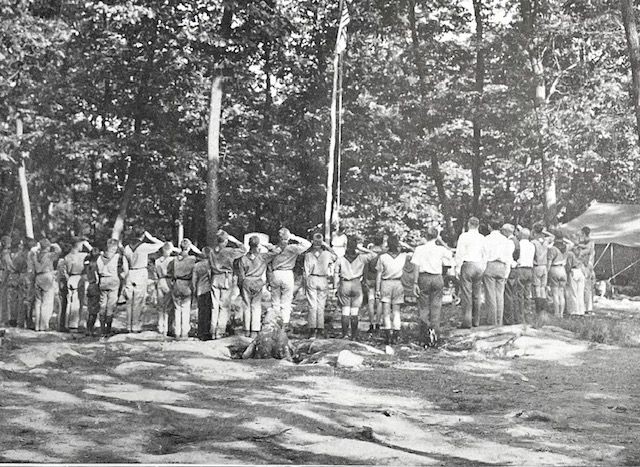
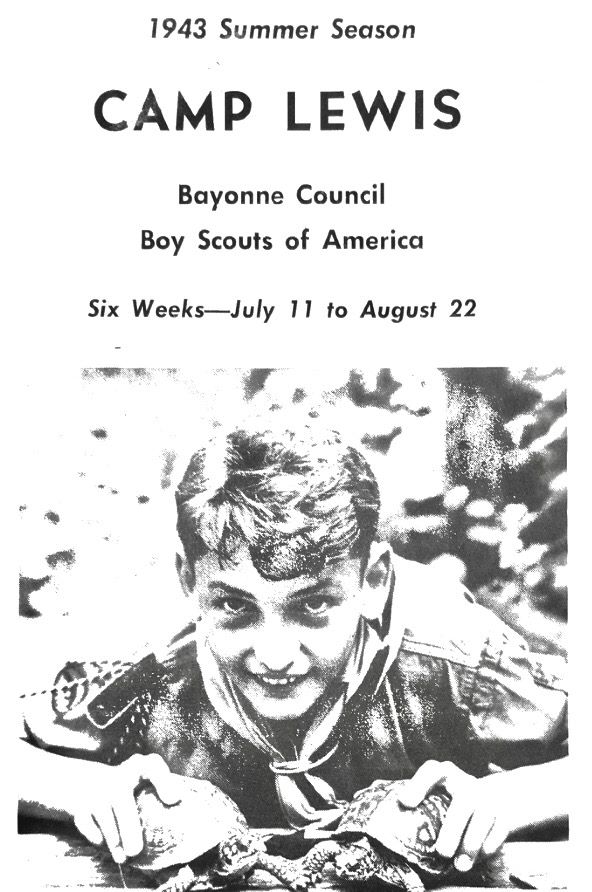
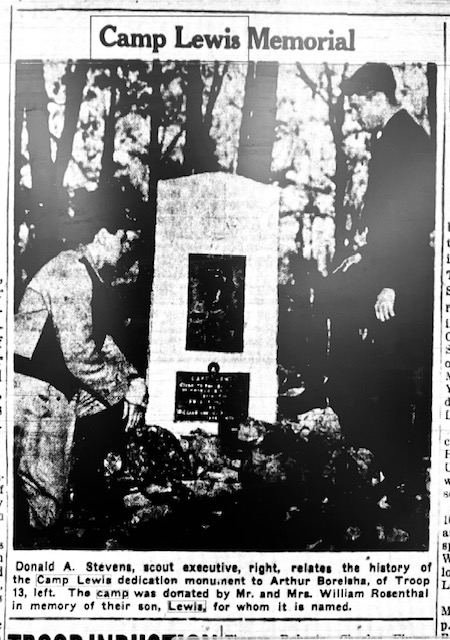
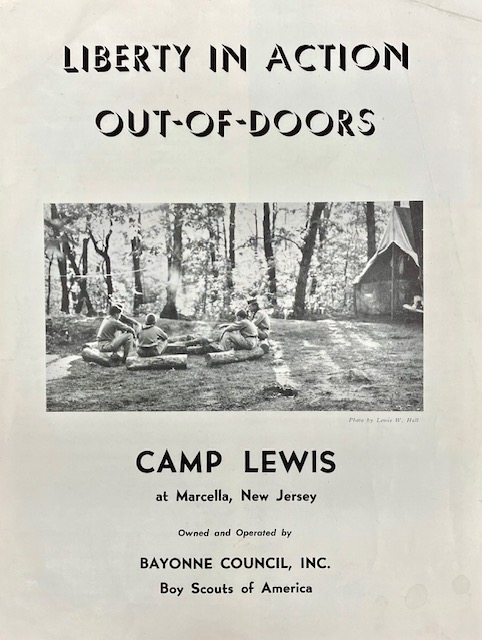
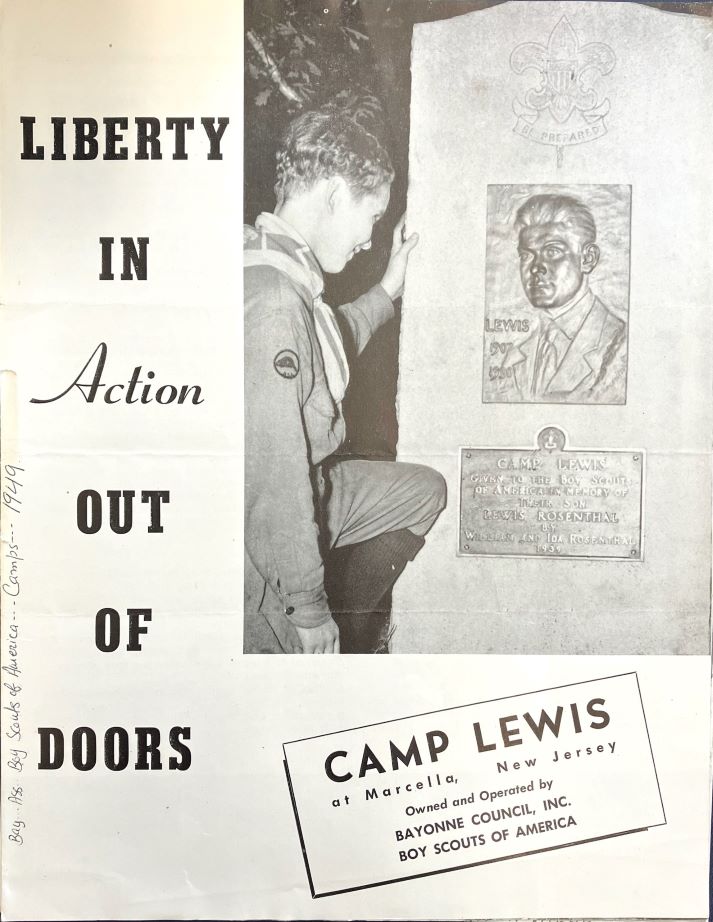
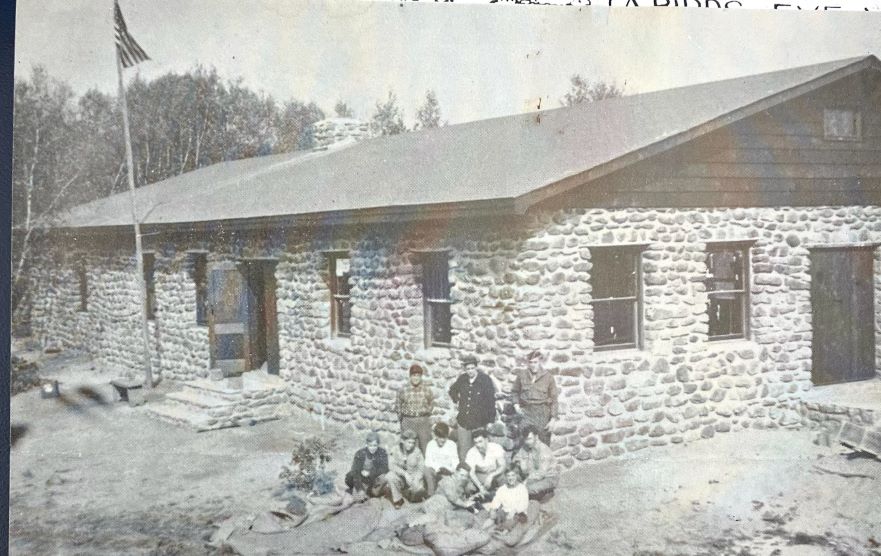
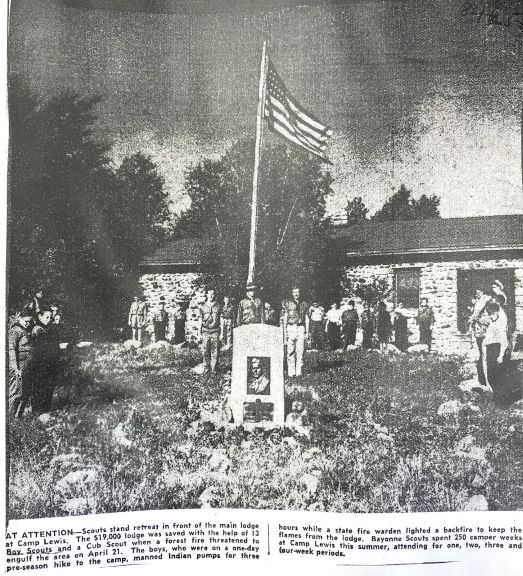
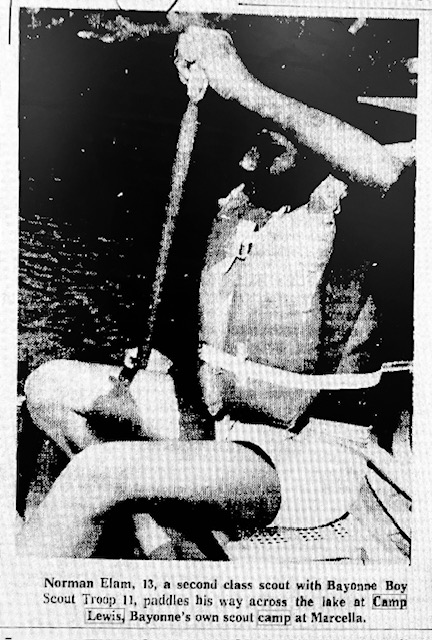
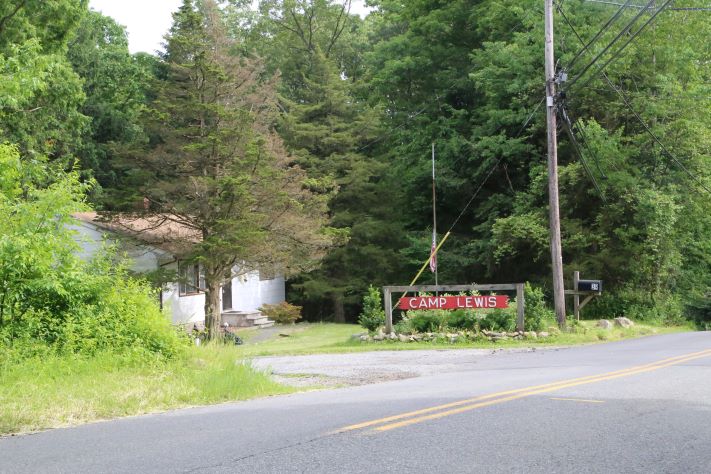
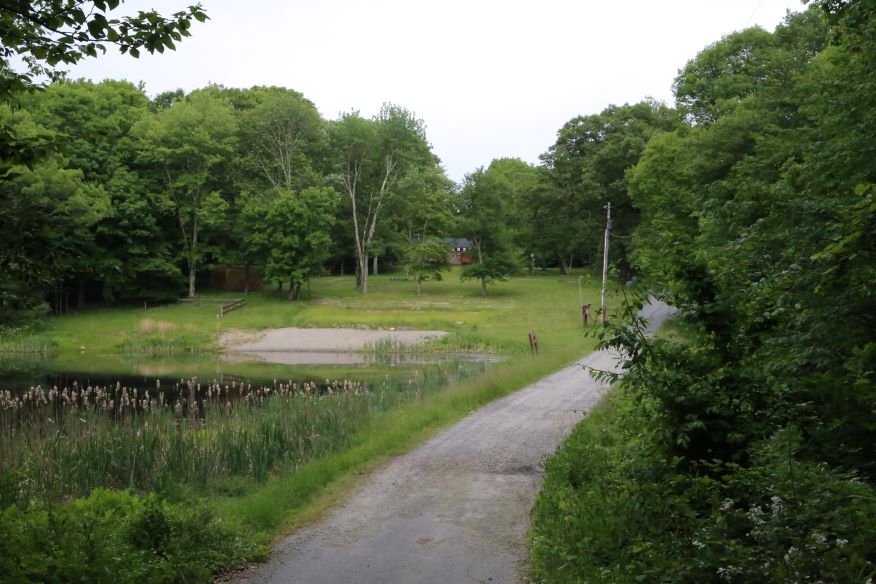
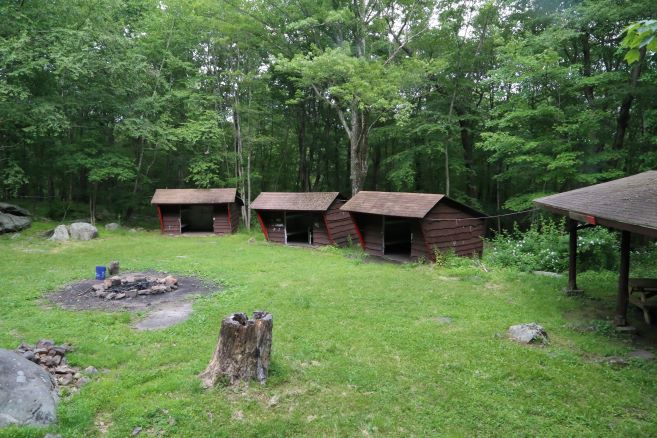
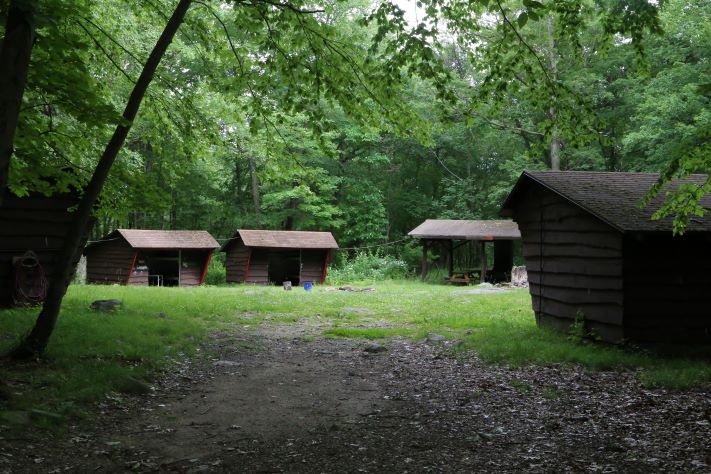
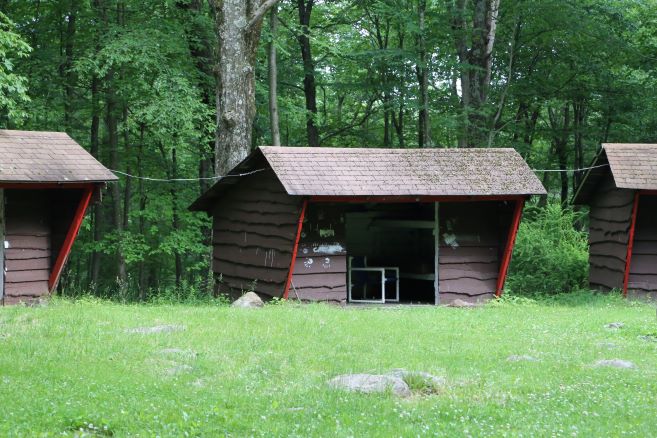
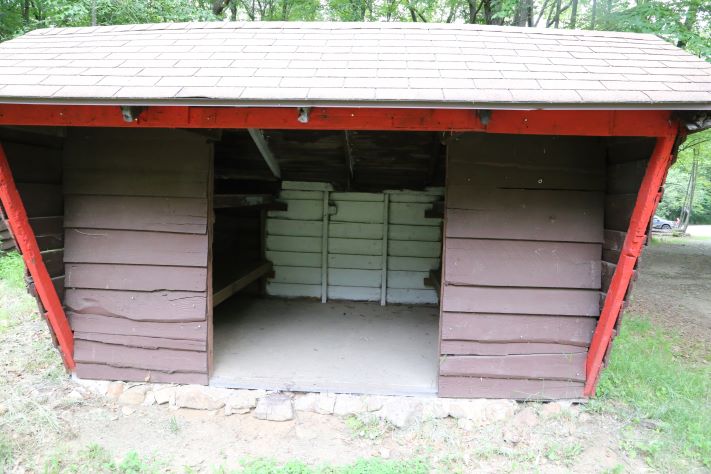
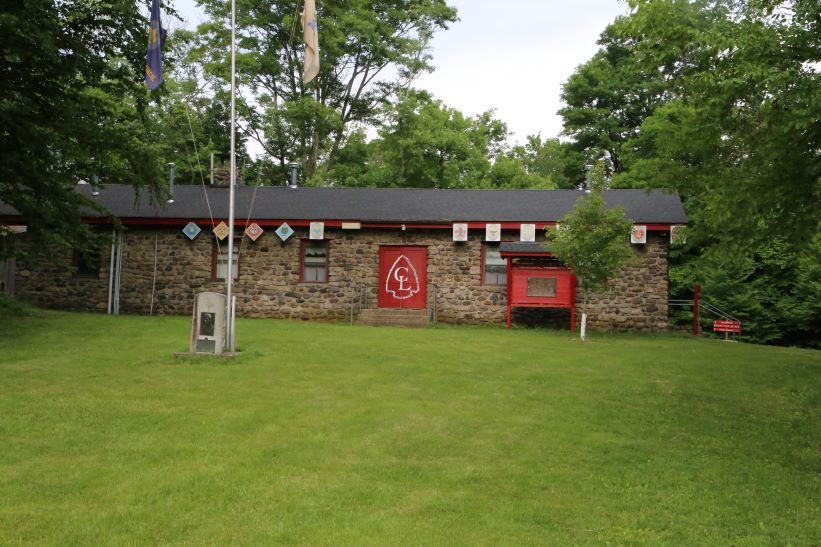
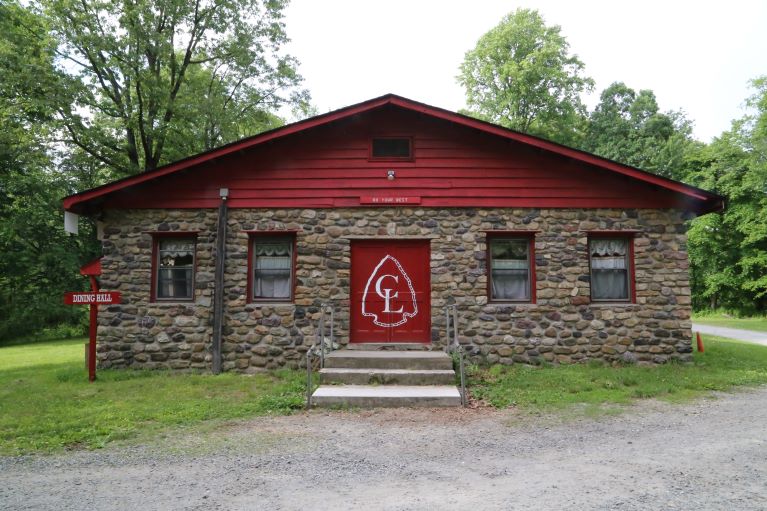
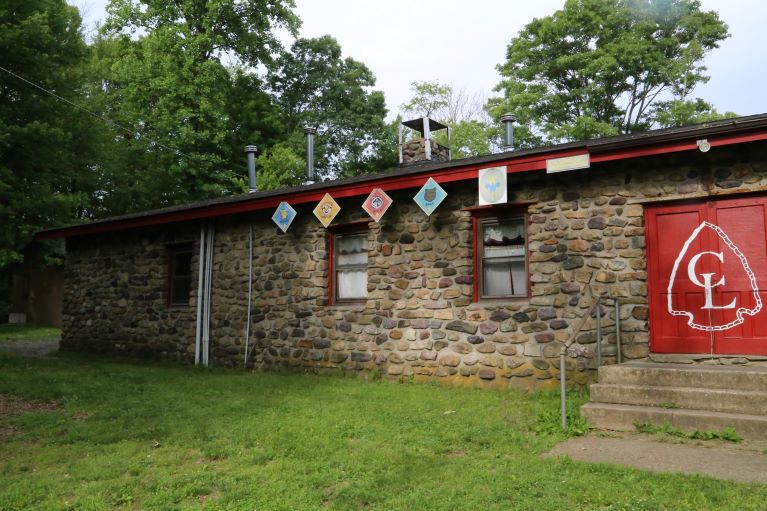
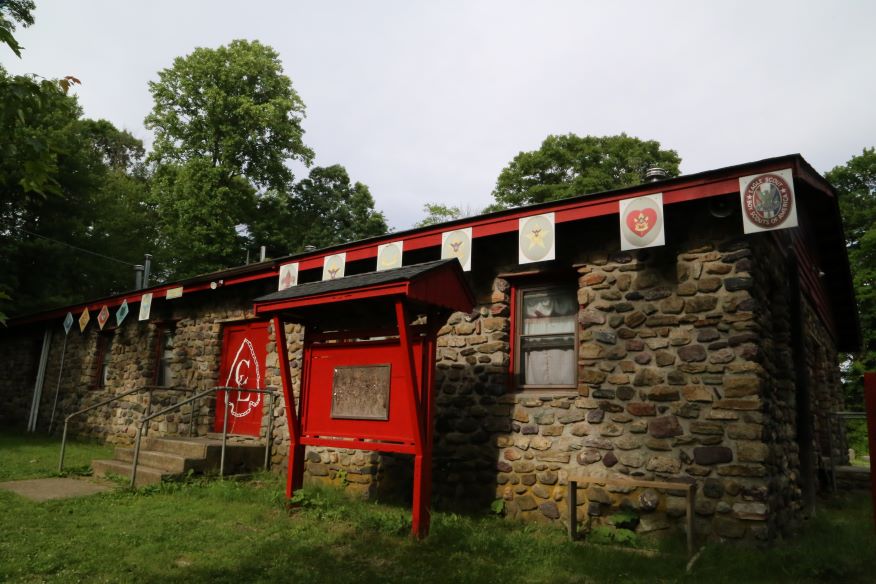
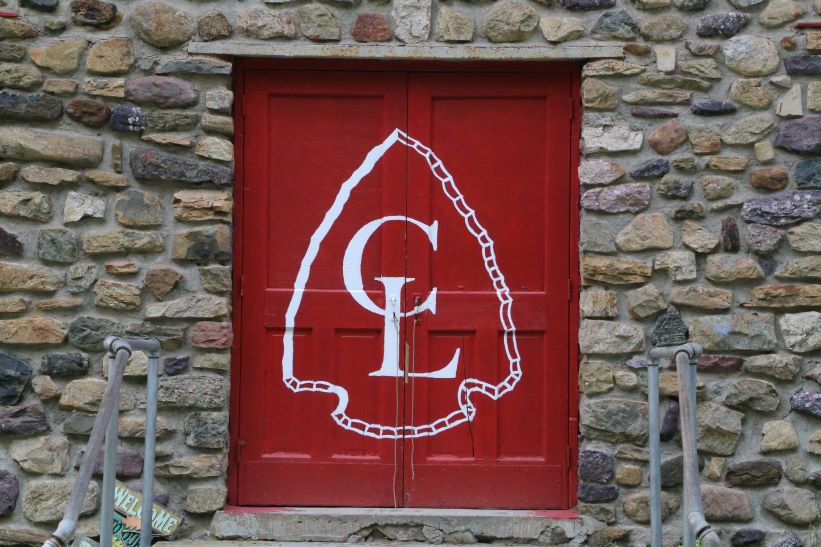
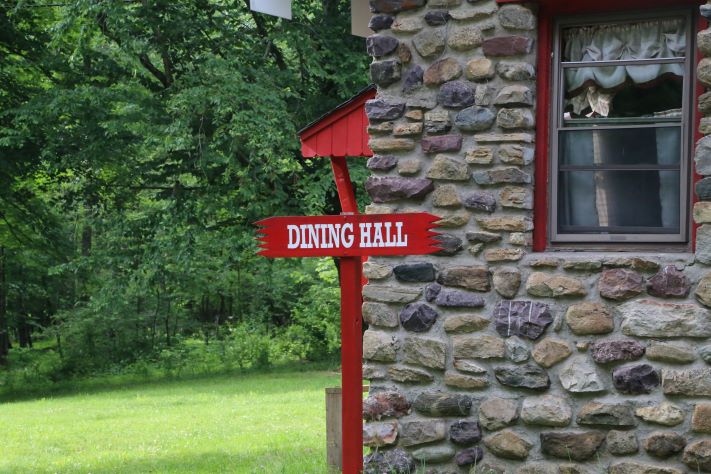
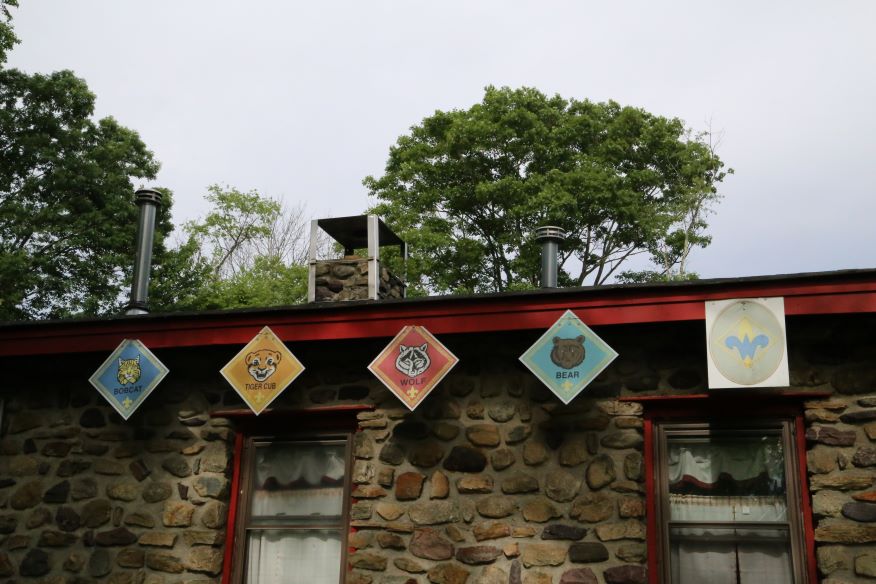
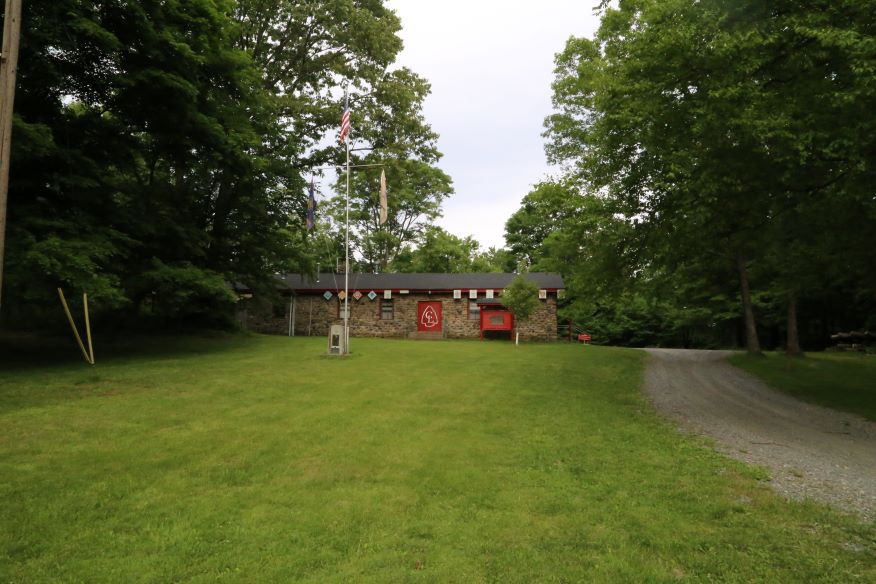
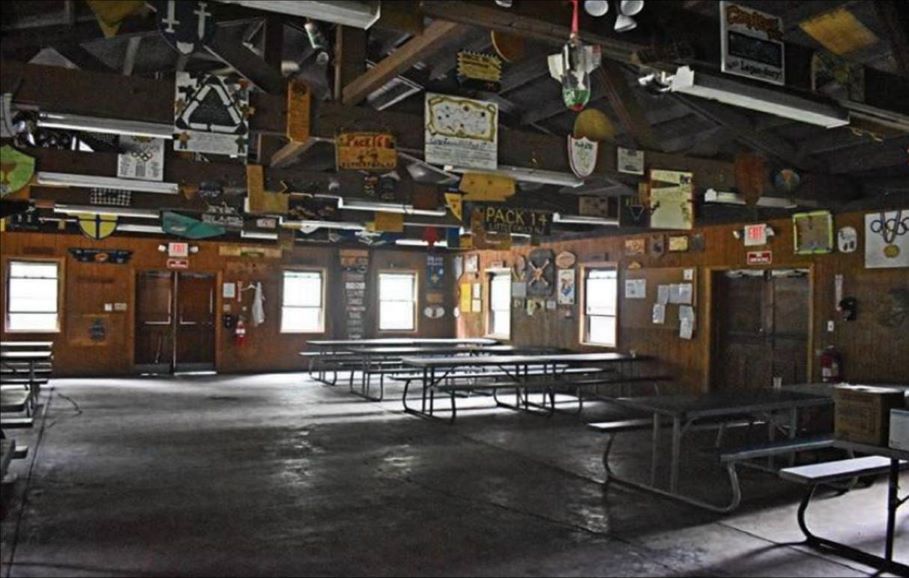
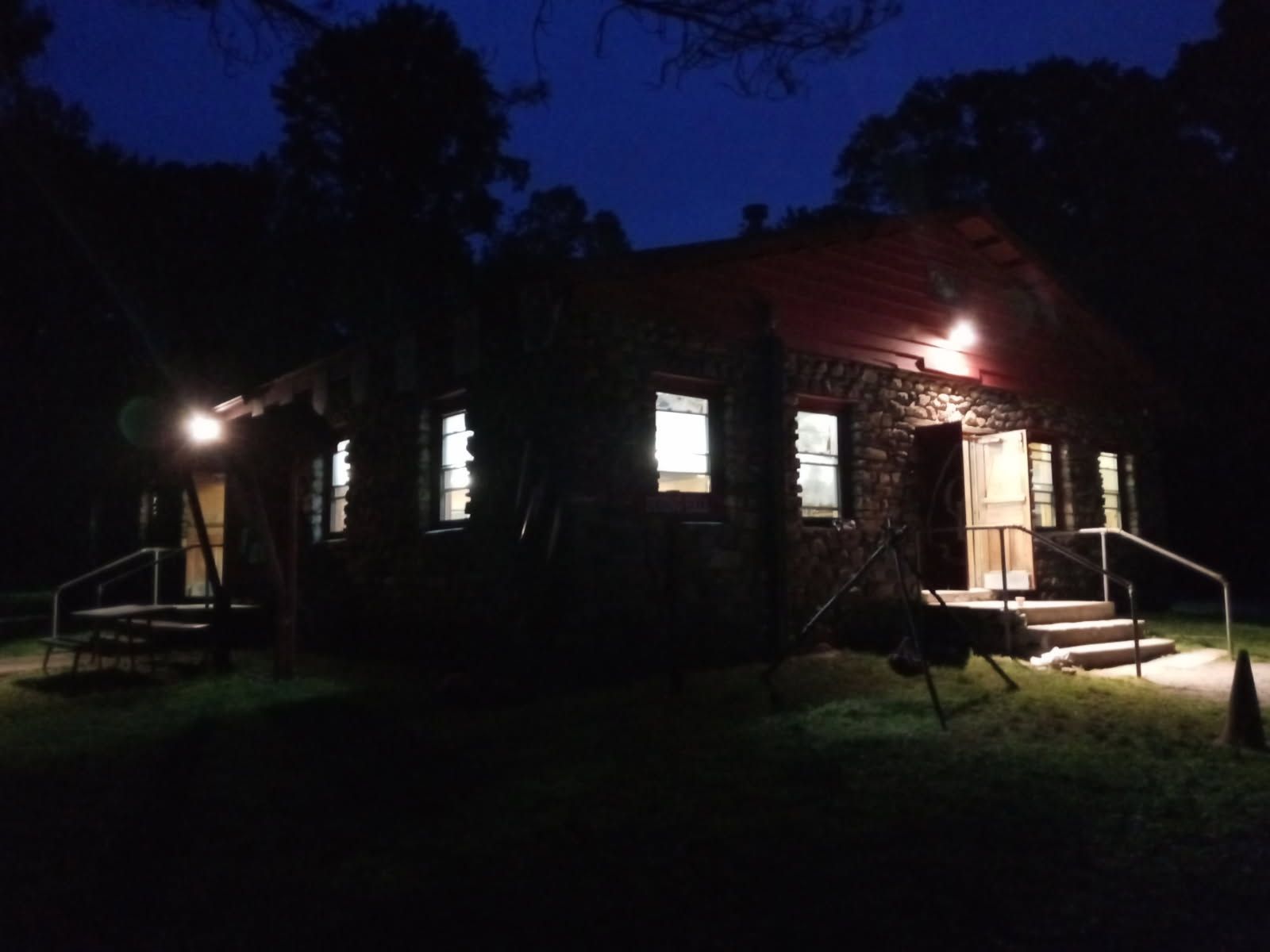
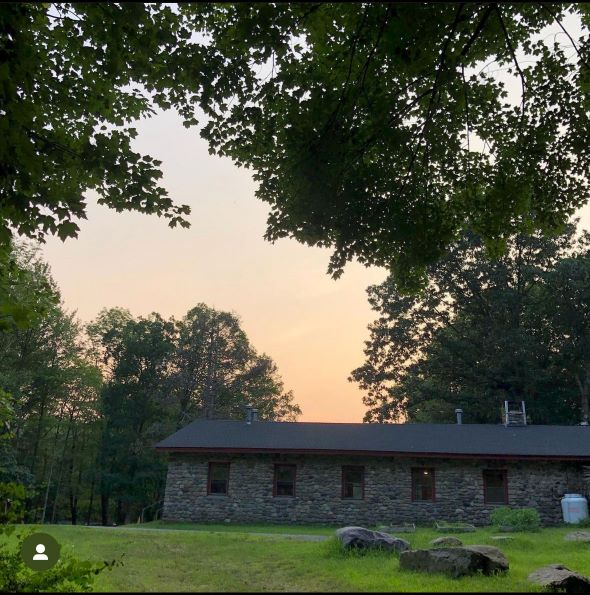
On April 21, 1952, a wildfire stretching from the Upper Hibernia Road in Rockaway Township to the Farny Highlands (now Farny State Park) was part of a historic and devastating outbreak of spring wildfires across the state and the broader northeast. The fire spread to Camp Lewis, a Boy Scout camp owned by the Bayonne Council, with the flames coming dangerously close to consuming the Rosenthal Lodge - the main structure on the property. Coverage from the Morristown Daily Record documented a harrowing scene where a group of 14 Scouts were trapped in the lodge.
The fast-moving flames encircled the camp, completely cutting off the main access roads and leaving the boys and a few leaders to shelter in-place as the fire burned dangerously close. Crews from the Marcella Fire Company, the NJ Forest Fire Service, and volunteers scrambled to defend the camp's structures and extinguish the surrounding flames, allowing the trapped scouts to escape. The scouts were then pressed into service using five-gallon backpack water pumps, known as Indian pumps.
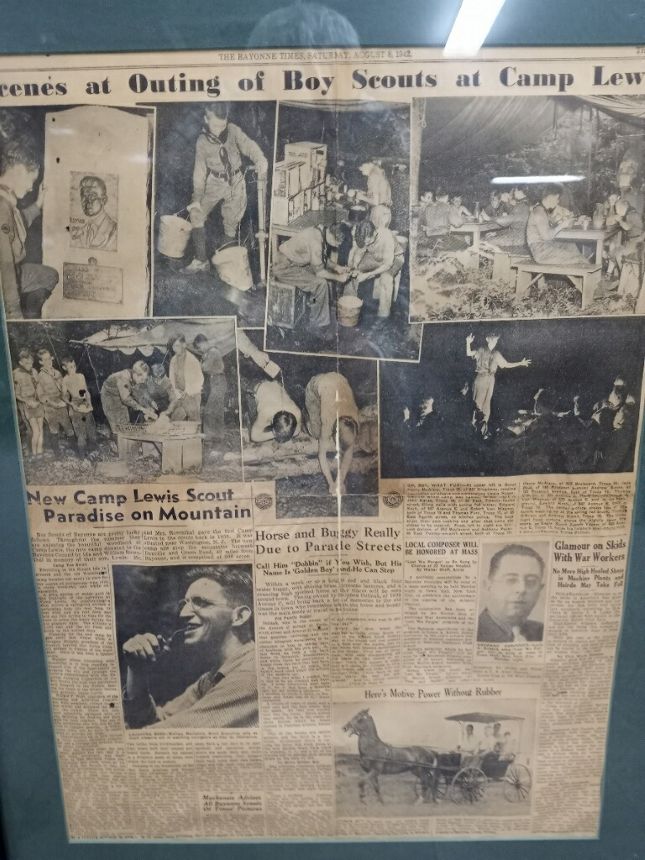
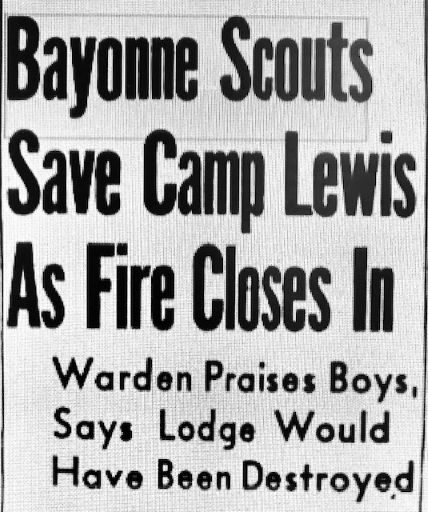
The April 22 edition of the Bayonne Times newspaper noted "Bayonne Scouts Save Camp Lewis as Fire Closes in." The article tells the story, "The scouts, on a one-day, pre-season hike to the camp, were at Camp Lewis when a forest fire, which had been thought to be under control the day before, flared up again, swept over the mountain towards the camp and threatened to wipe it out.
A truckload of Indian pumps, brought by a fire warden, were distributed among the scouts, who insisted on helping. The pumps, weighing about 50 pounds, were borne by the youngsters. The sole cub scout, 10 year old Robert O'Neill of Pack 29, insisted on helping too, but since the water container was too heavy, he emptied some of the water to lighten the burden.
After fighting the blaze for about three hours it was brought under control when a fire warden lit a backfire near the lodge.
The fire warden said, 'If it hadn't been for these boys, the lodge and the entire camp would have burned to the ground. We wouldn't have been able to fight the fire without them. They were wonderful.'
Scout Executive David Flammer, who visited the camp to ascertain the amount of damage, said that the main lodge was undamaged. Trees were badly scorched but there was no real destruction.
Ted Lough, scoutmaster, one of the four adults at camp, declared that it was absolutely amazing to see the young men in action. 'If you could have seen those boys fighting the fire - doing a man's job and doing it perfectly - well, it makes you feel that if Bayonne is ever in a similar danger this city's scouts will be a tremendous help.'
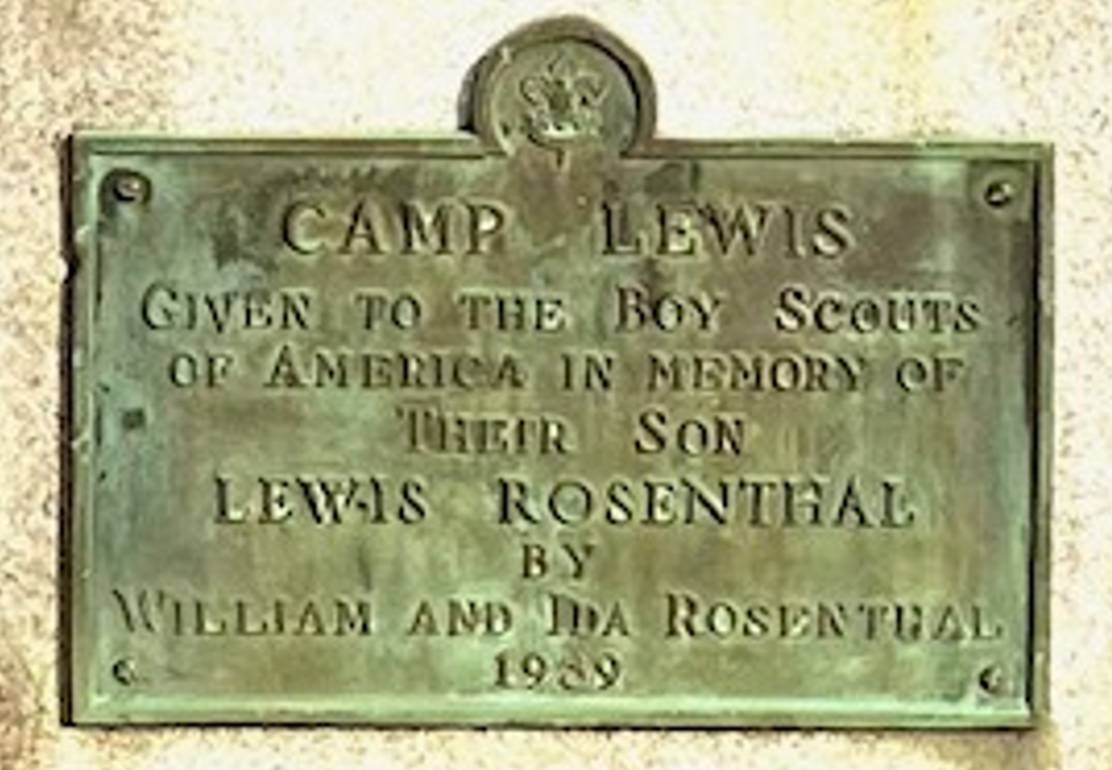
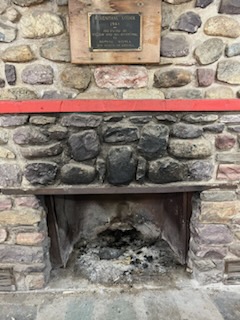
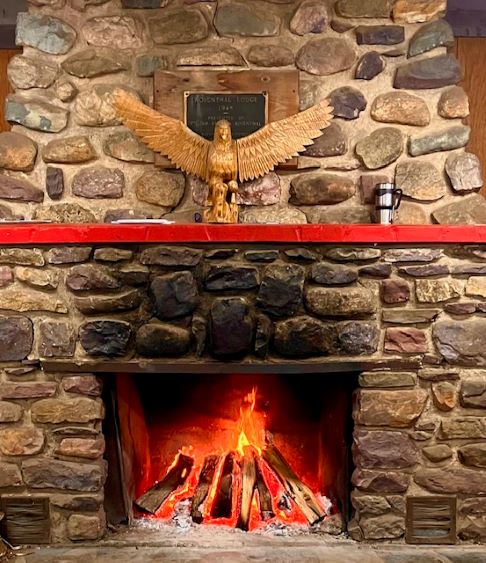
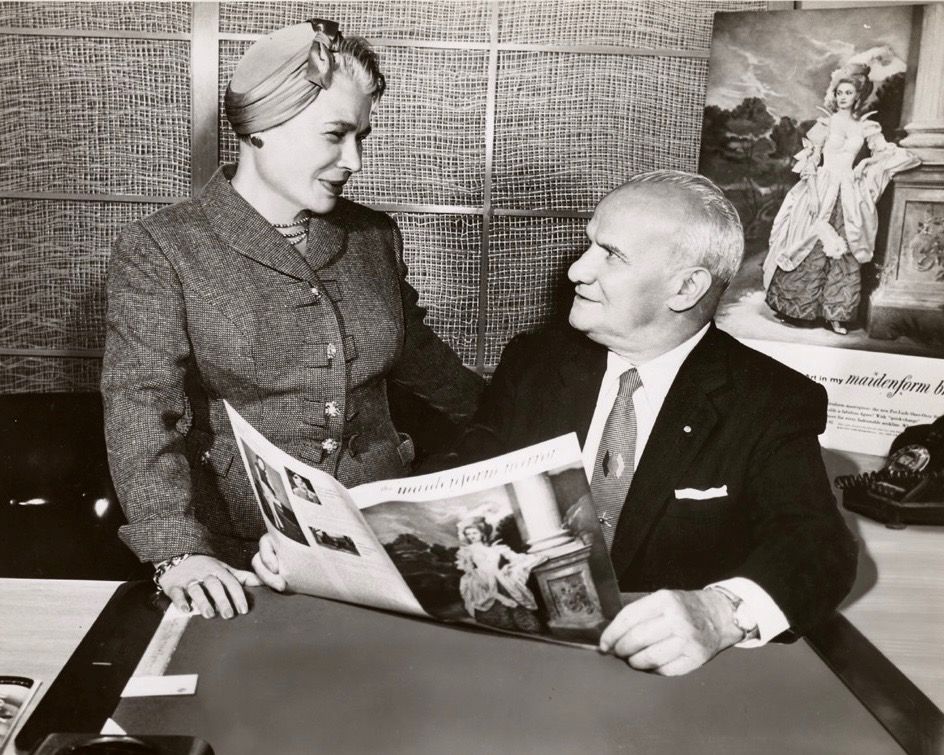
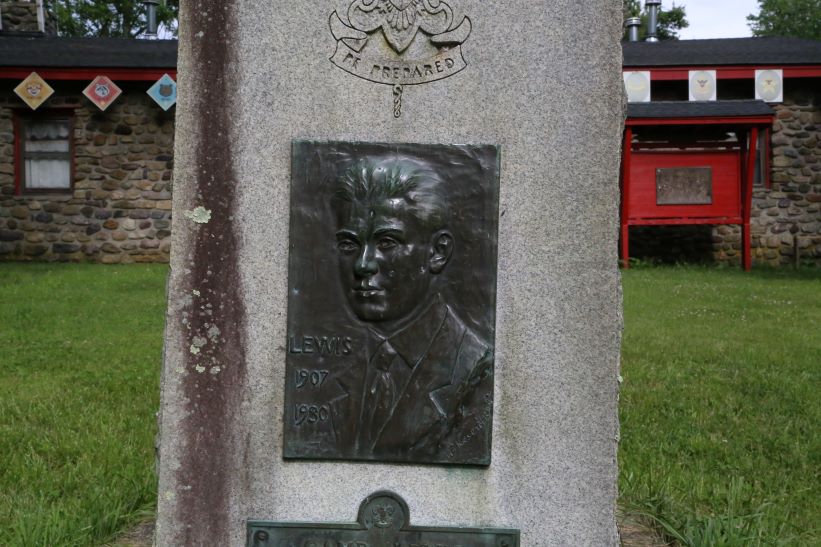
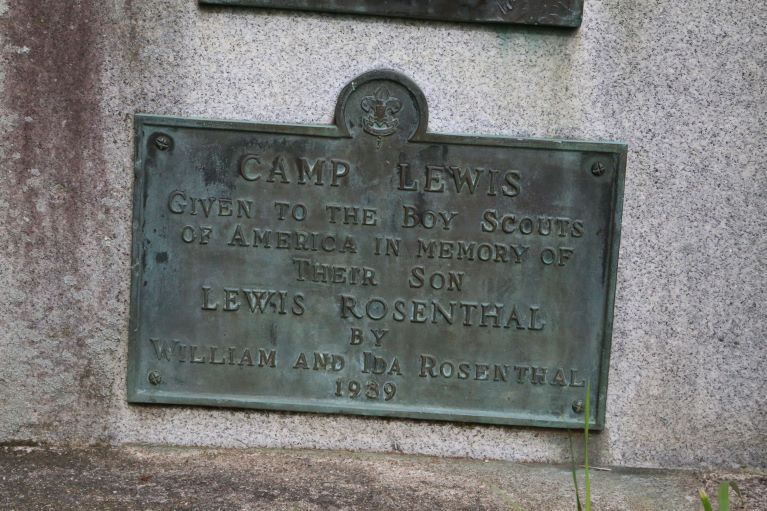
The main lodge - called the Rosenthal Lodge - in honor of William Rosenthal of the Maiden Form Brasserie Company, is valued at about $19,000.
A decision to send letters of commendation to the young firefighters was made by the Bayonne Council executive board. The scouts involved:
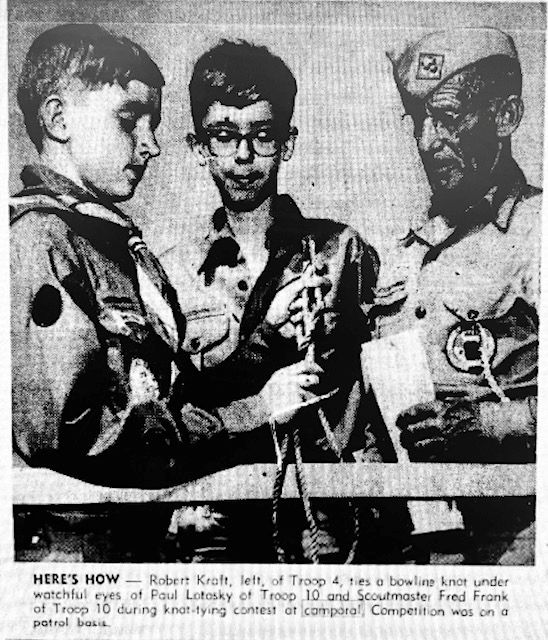
Troop 35: Richard Luttrell, Anthony Bonomo, Robert Glade, Richard Lehtonen, William Raslowsky, Jack Nicol, Robert Deppe, James O'Connor, Richard Lees, Patrick O'Donnell and Ted Lough, Jr. Troop 4: Fred and Arthur Frank and Pack 29: Robert O'Neill.
Besides Lough, other adults at camp were William O'Neill, cubmaster of Pack 29; John Coughlin, scoutmaster of Troop 35 and Robert Smith, committeeman of Troop 35,"

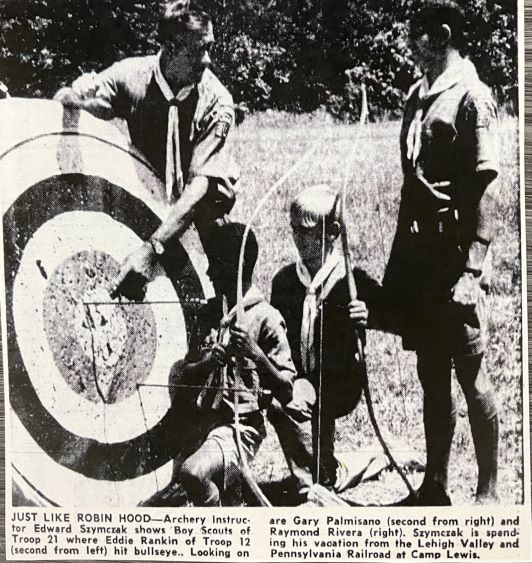
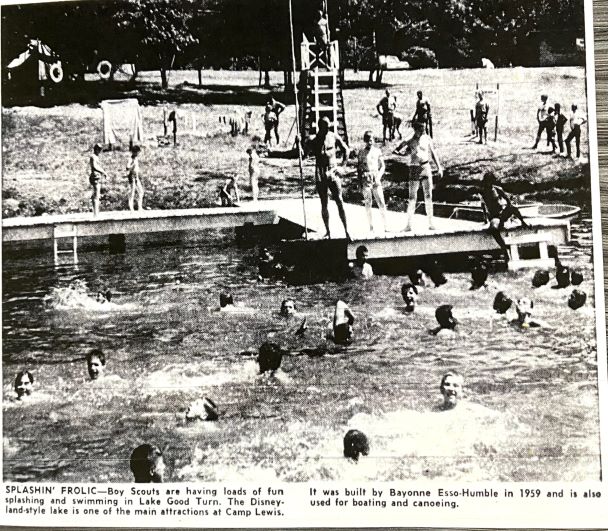
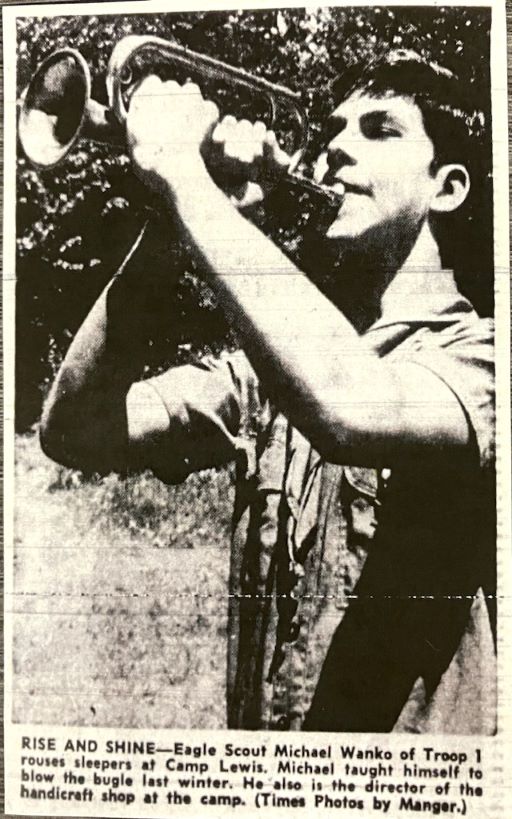
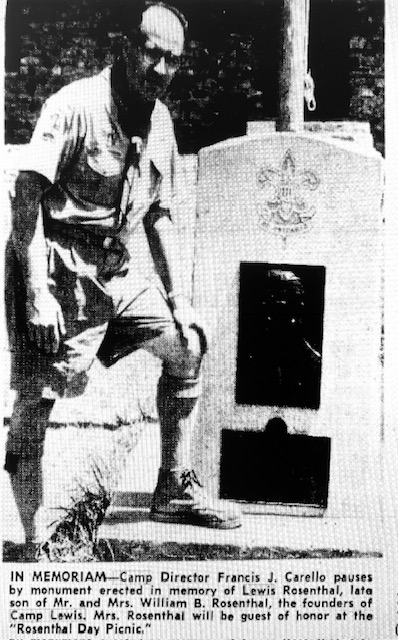
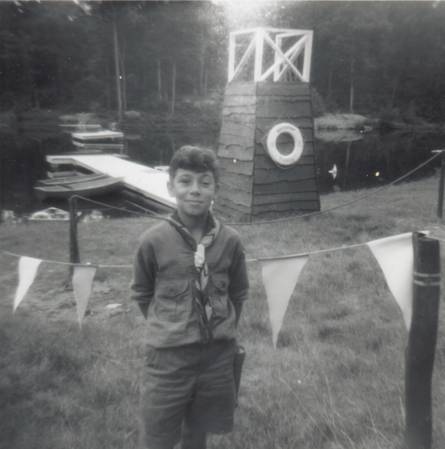
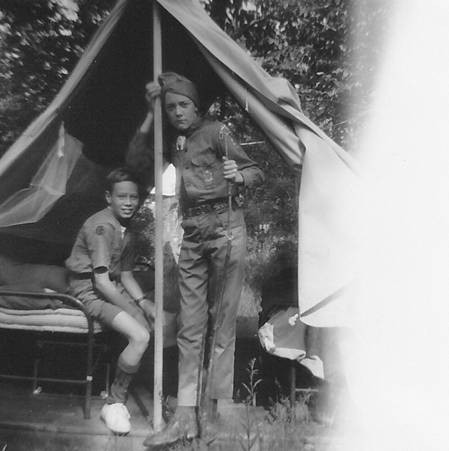
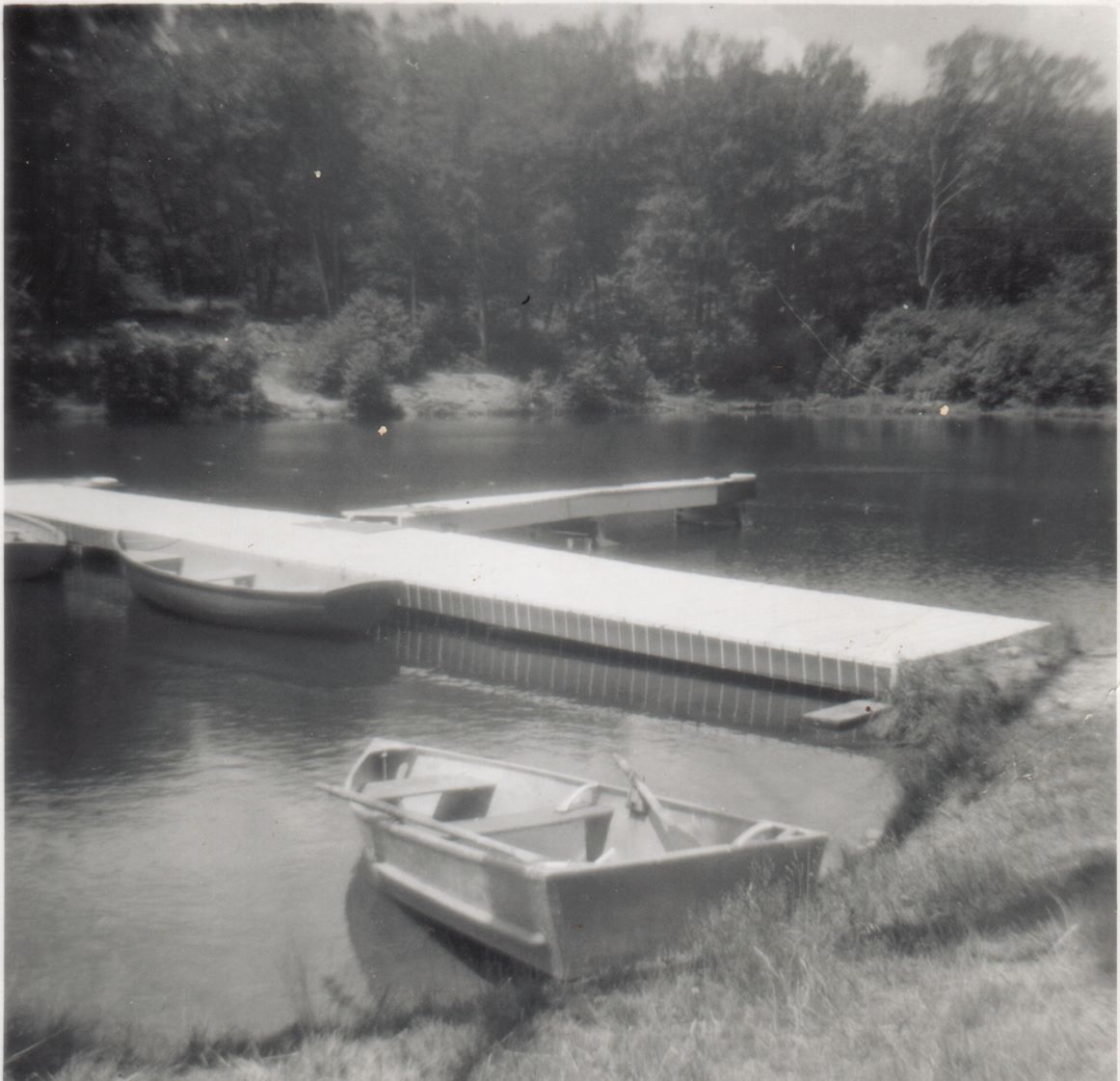
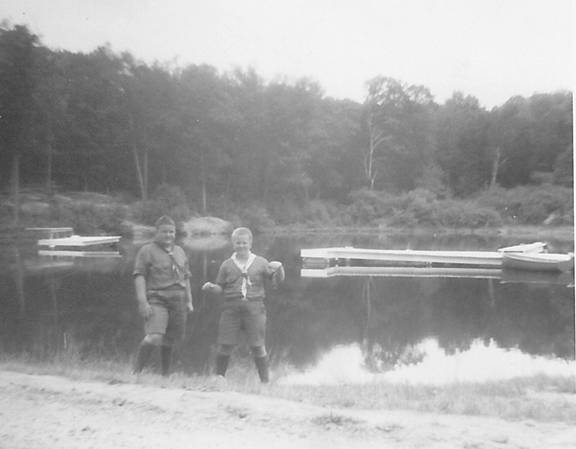
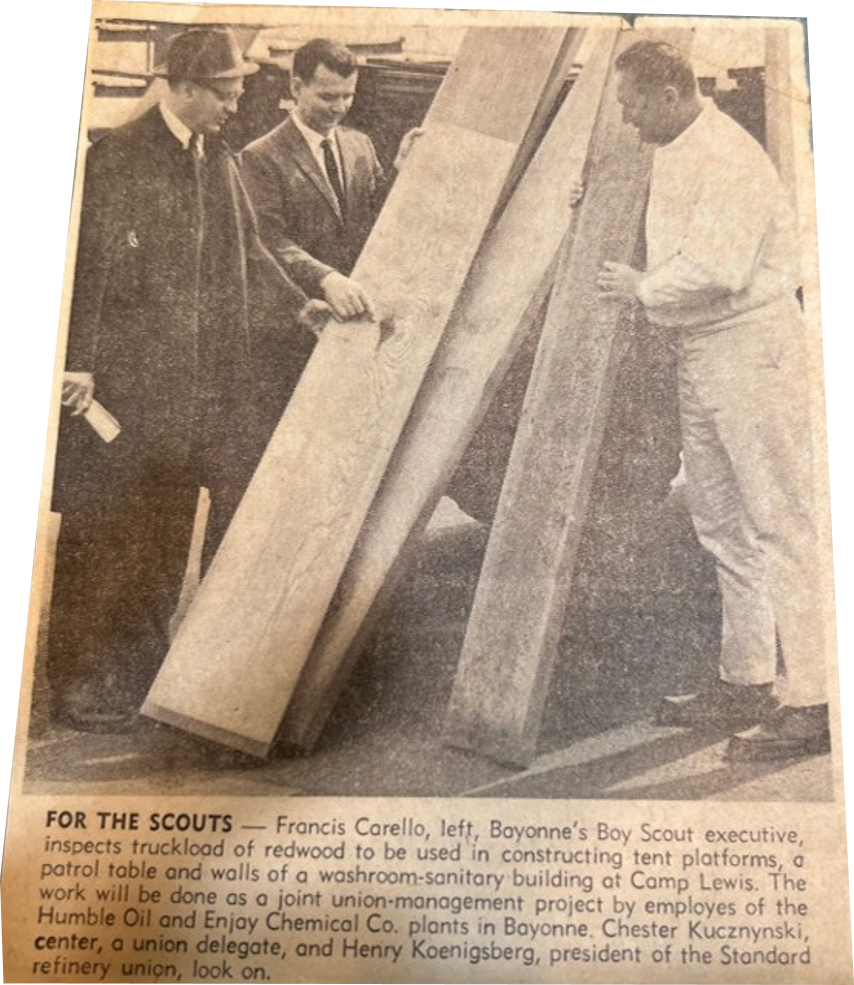
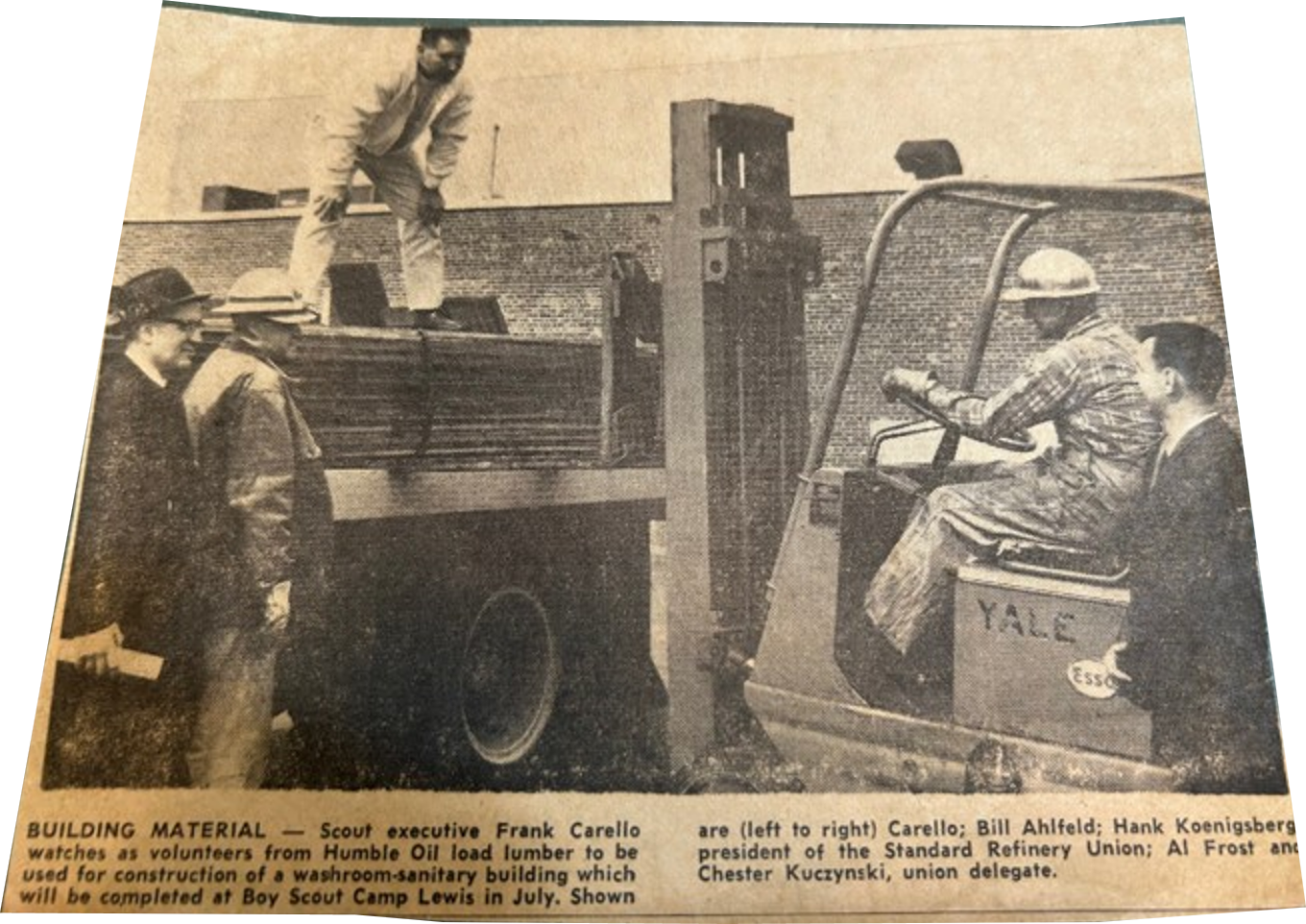
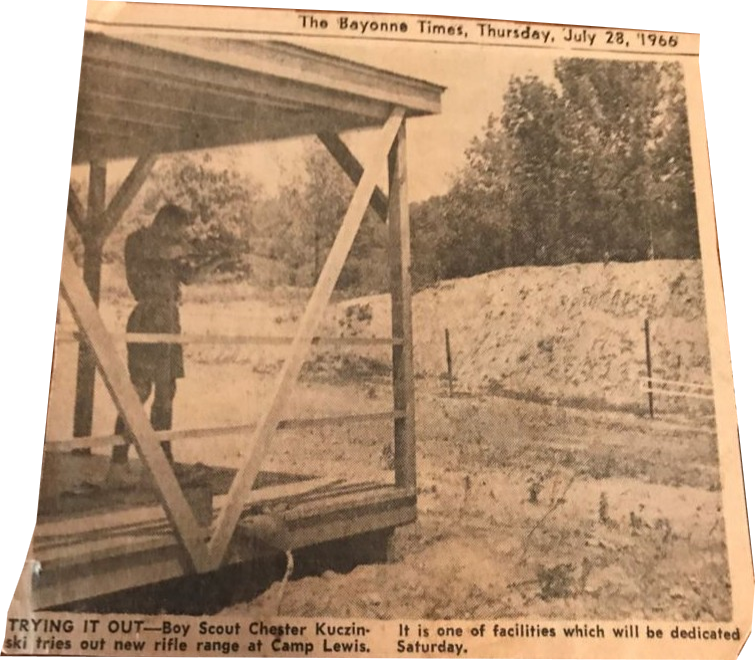
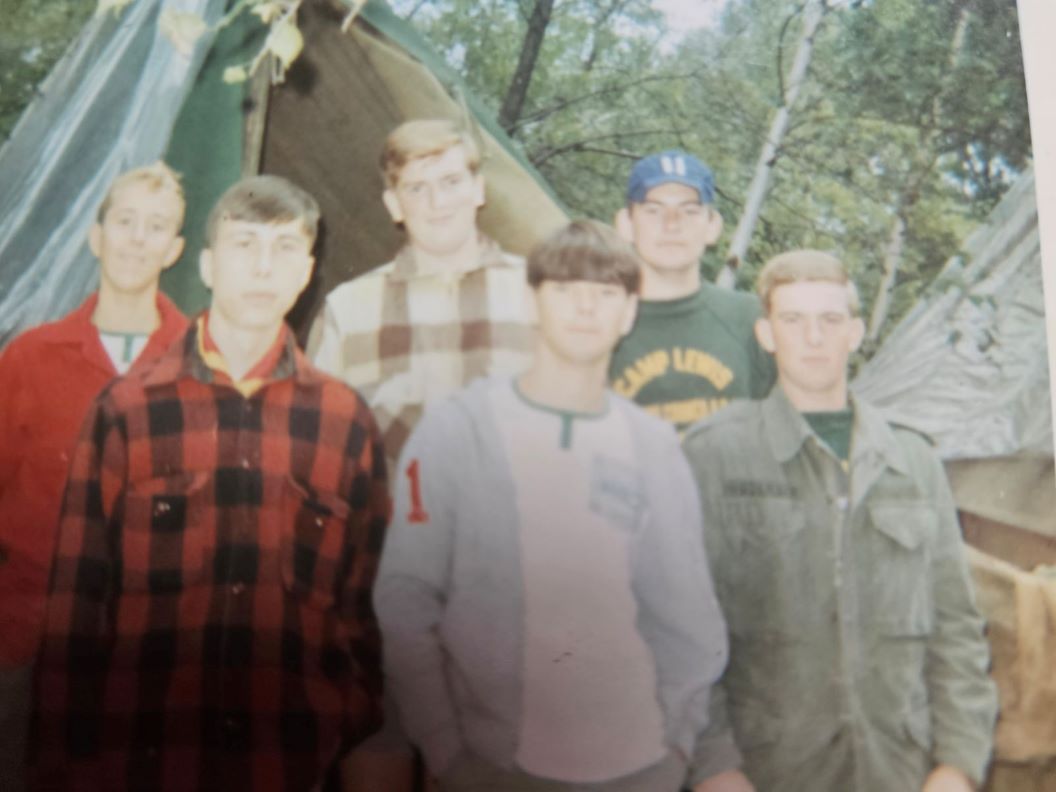
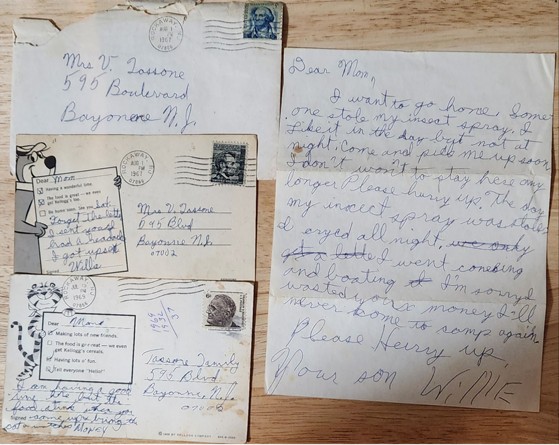

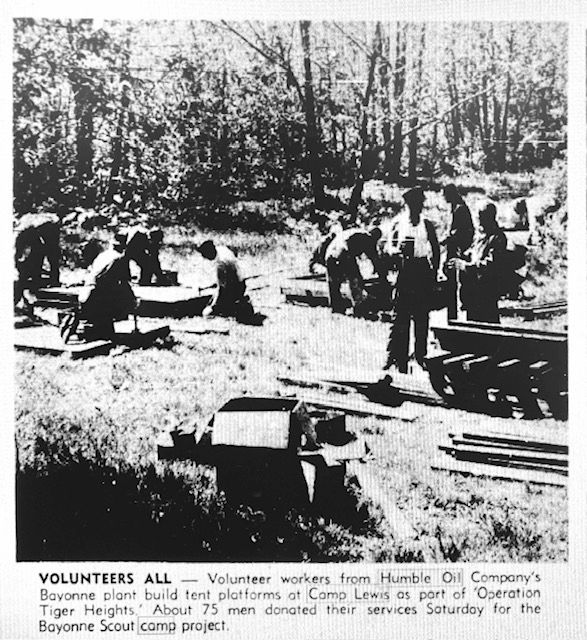
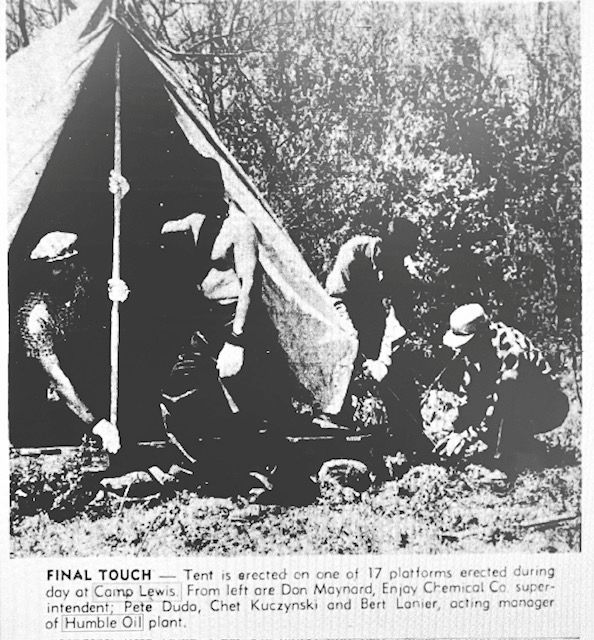
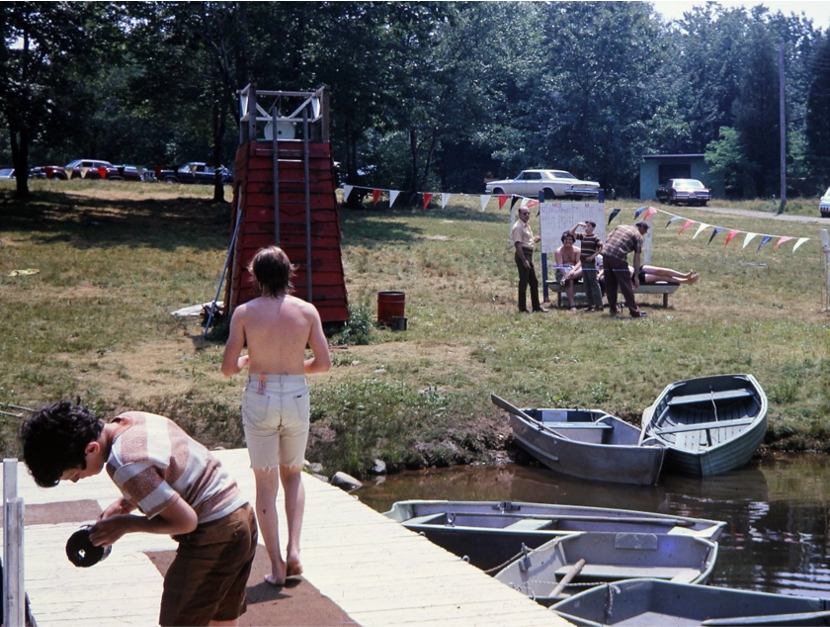
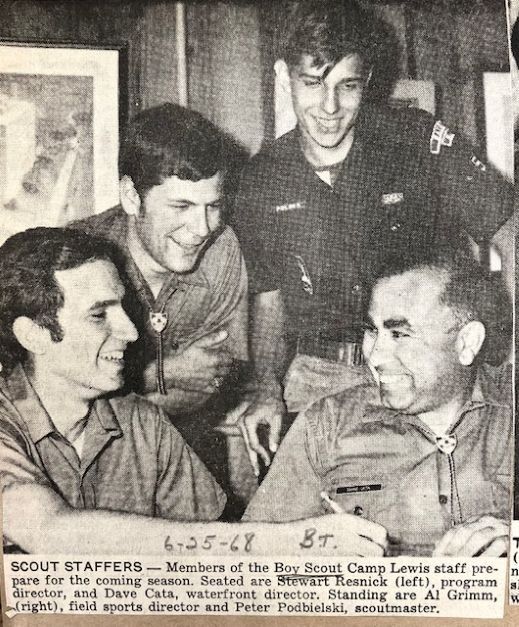
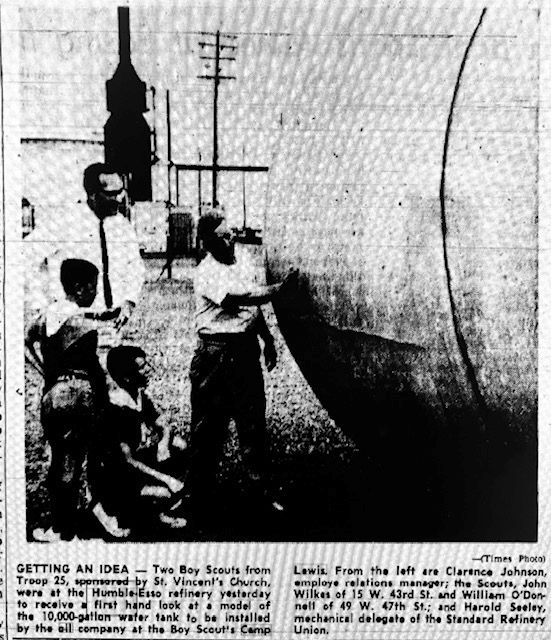

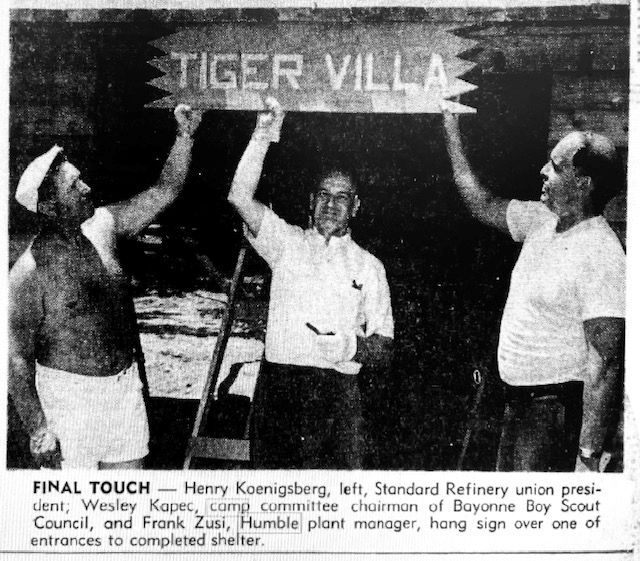
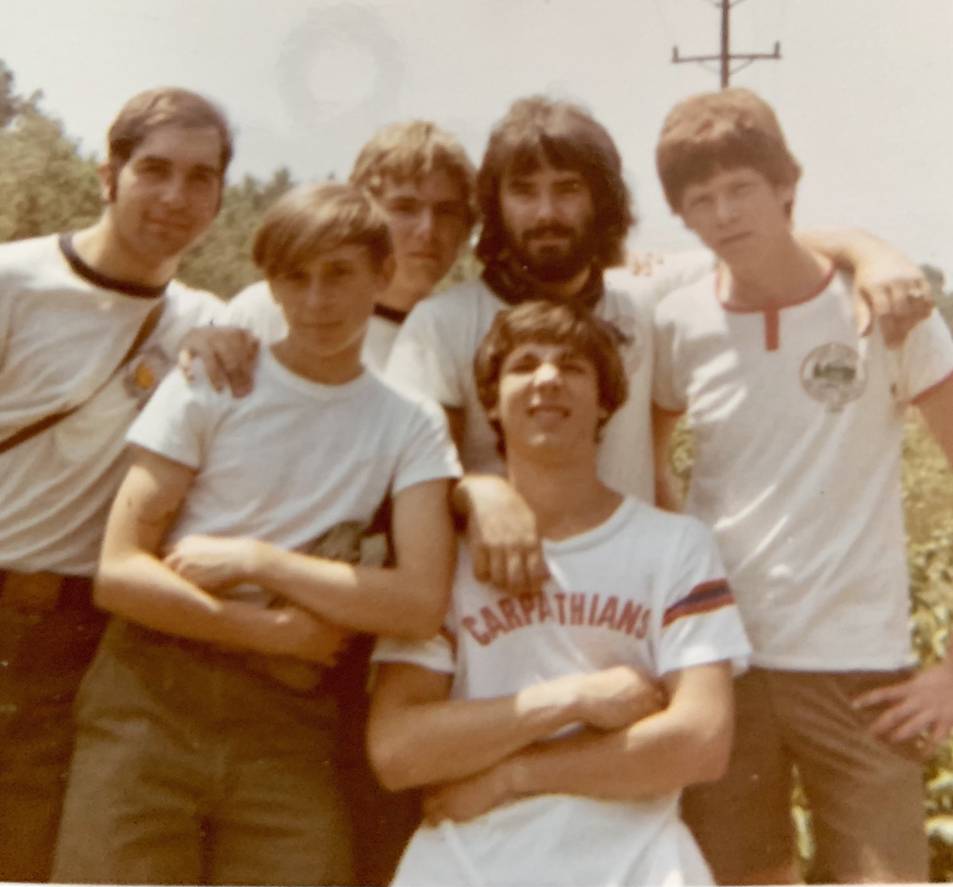
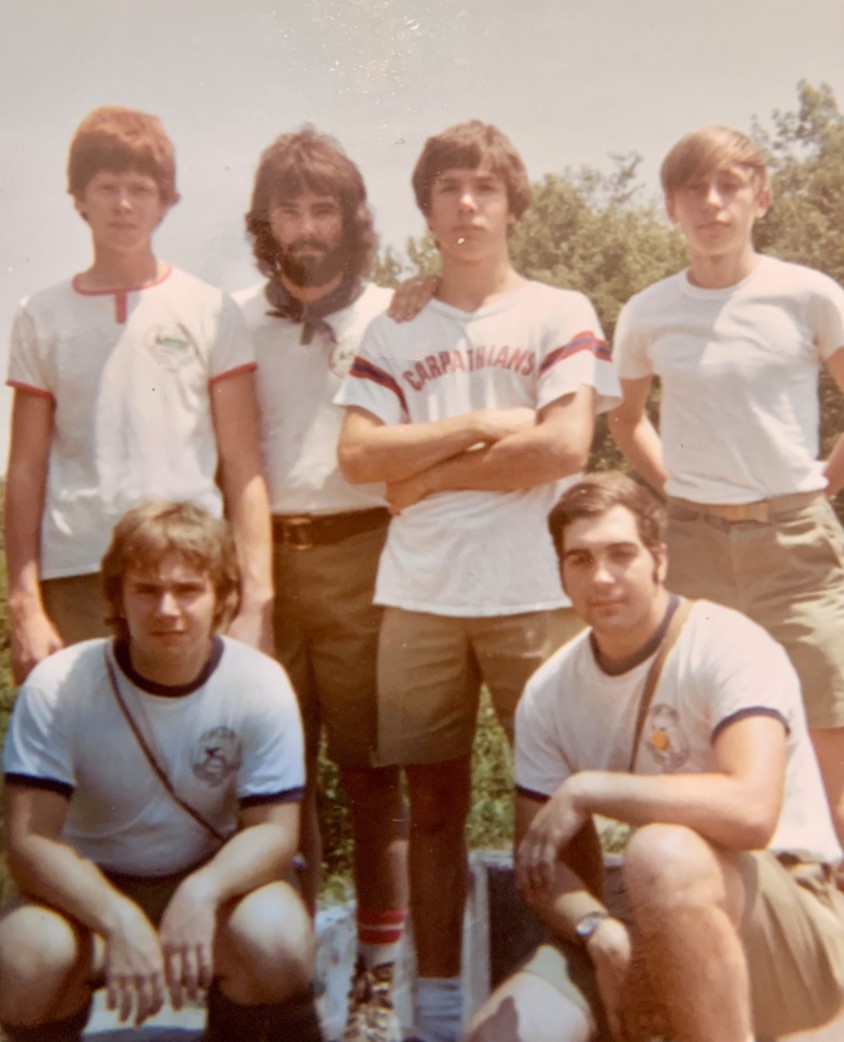
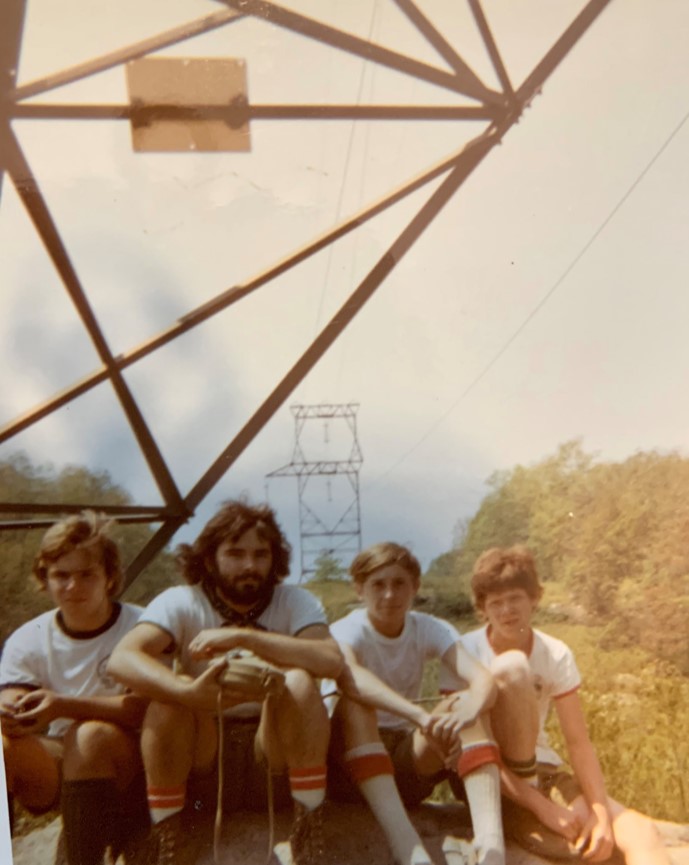
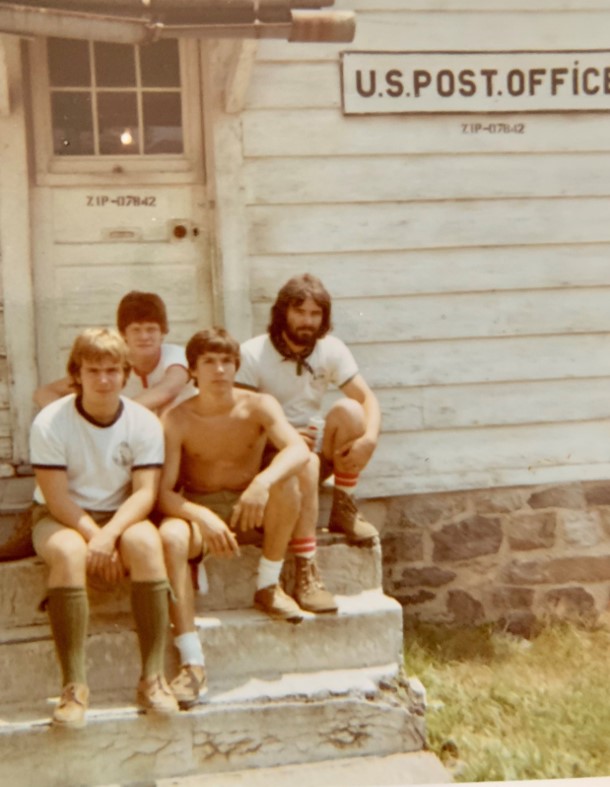


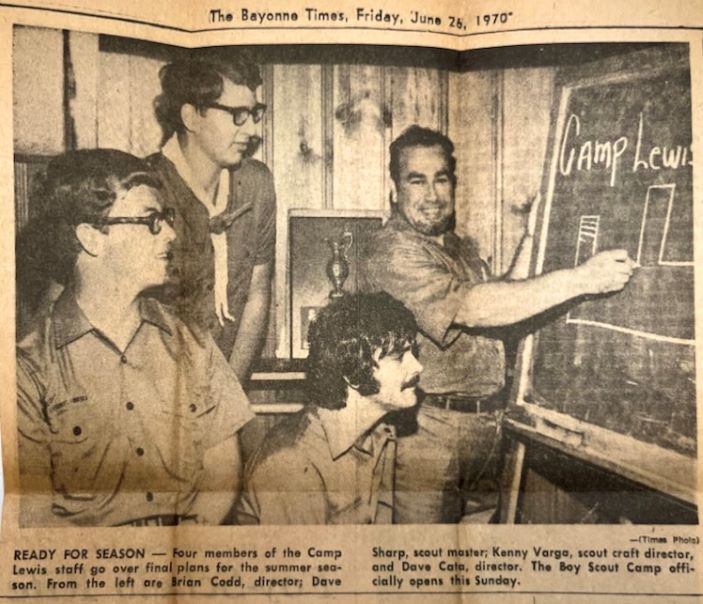
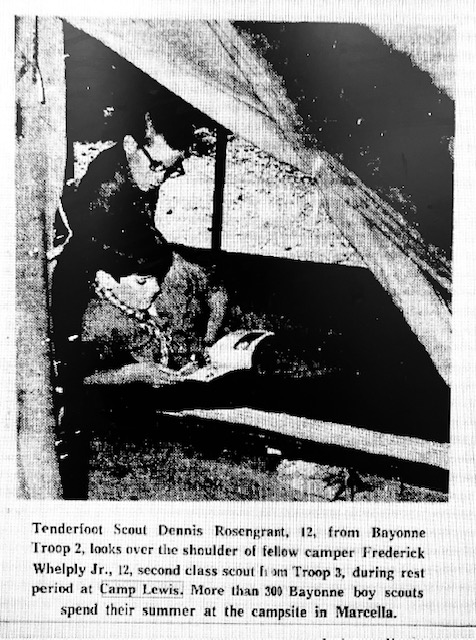
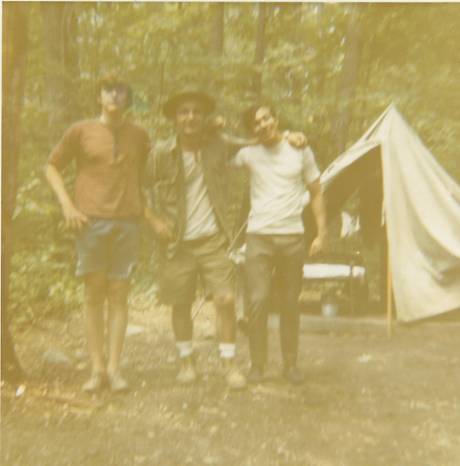
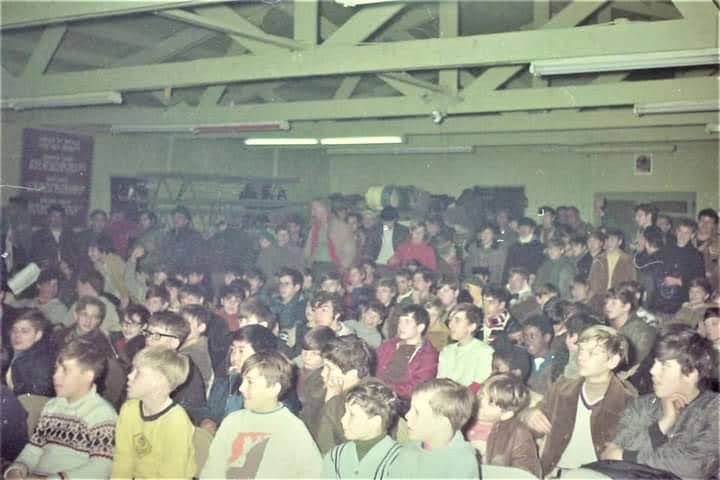

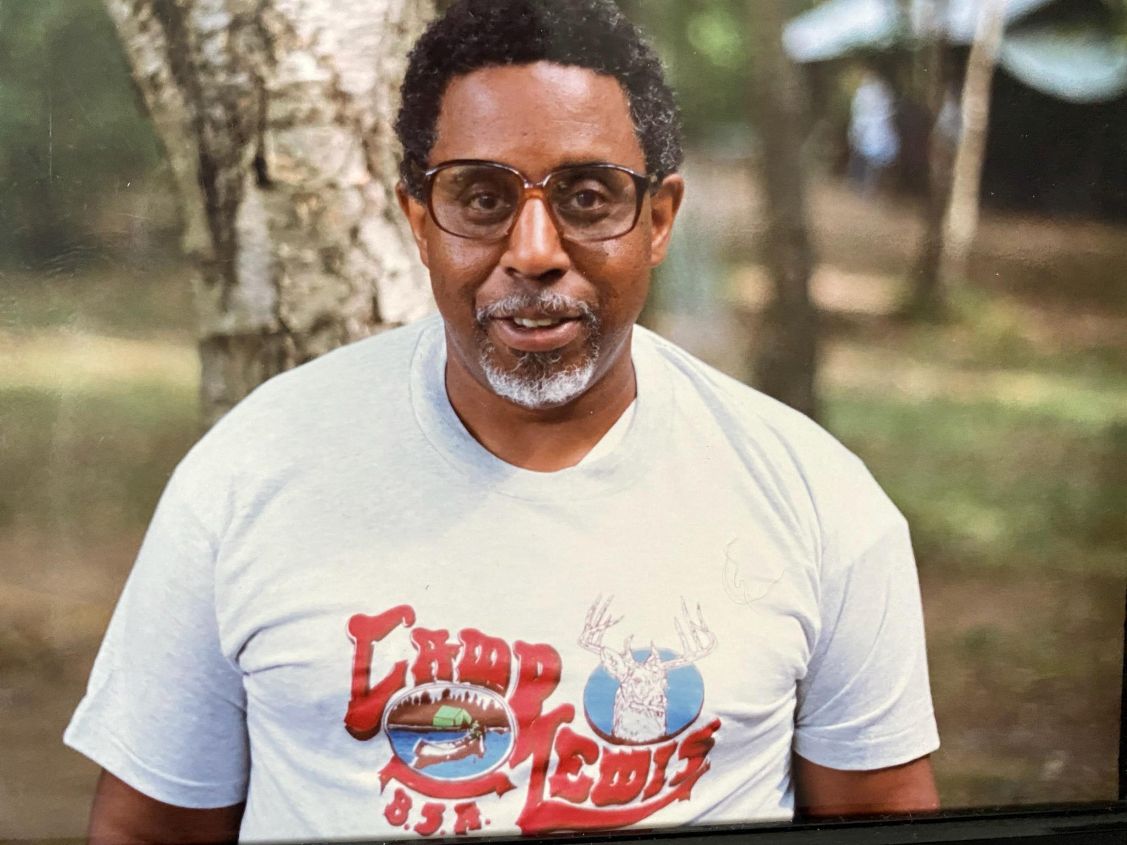
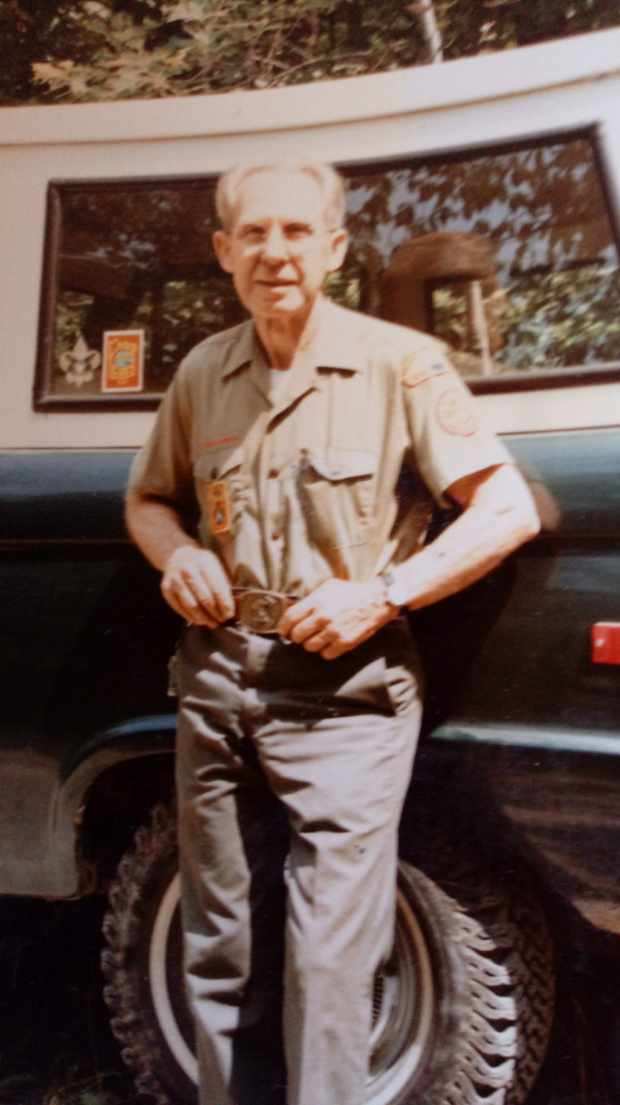
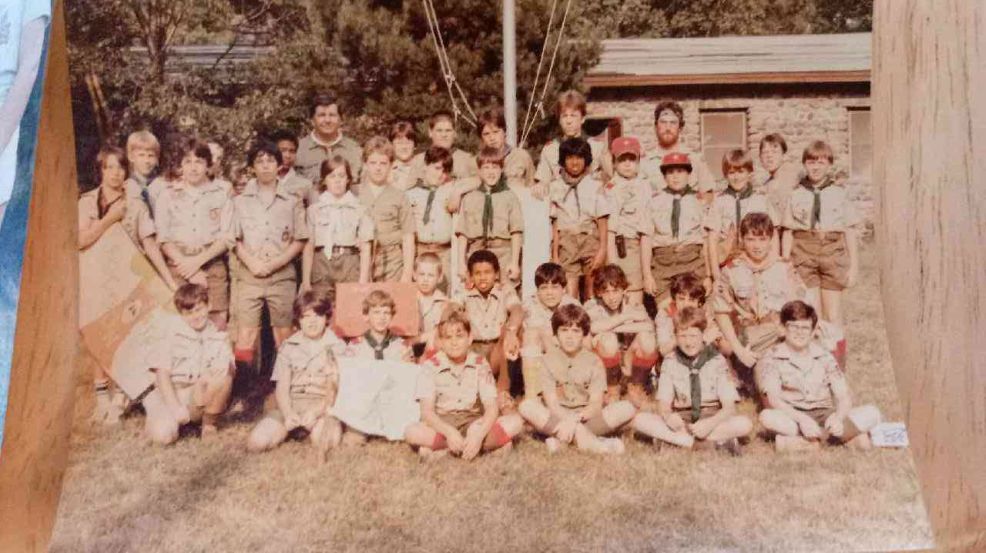
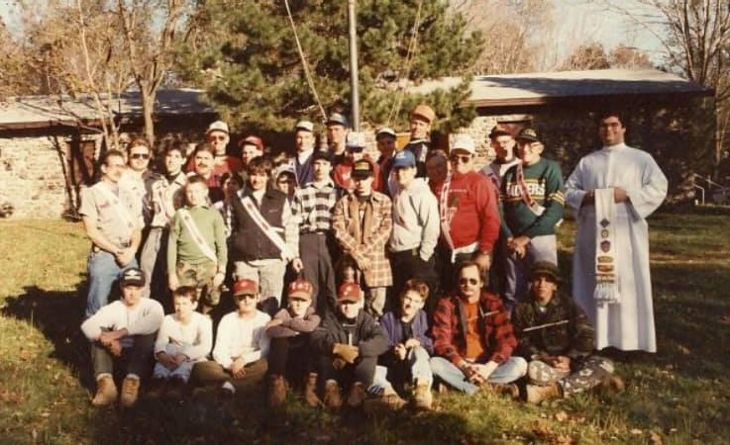
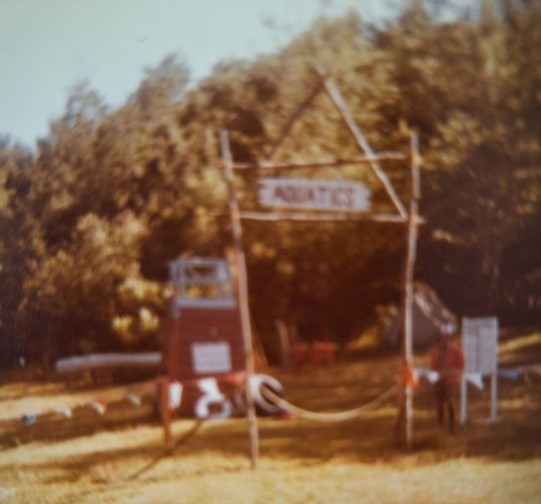
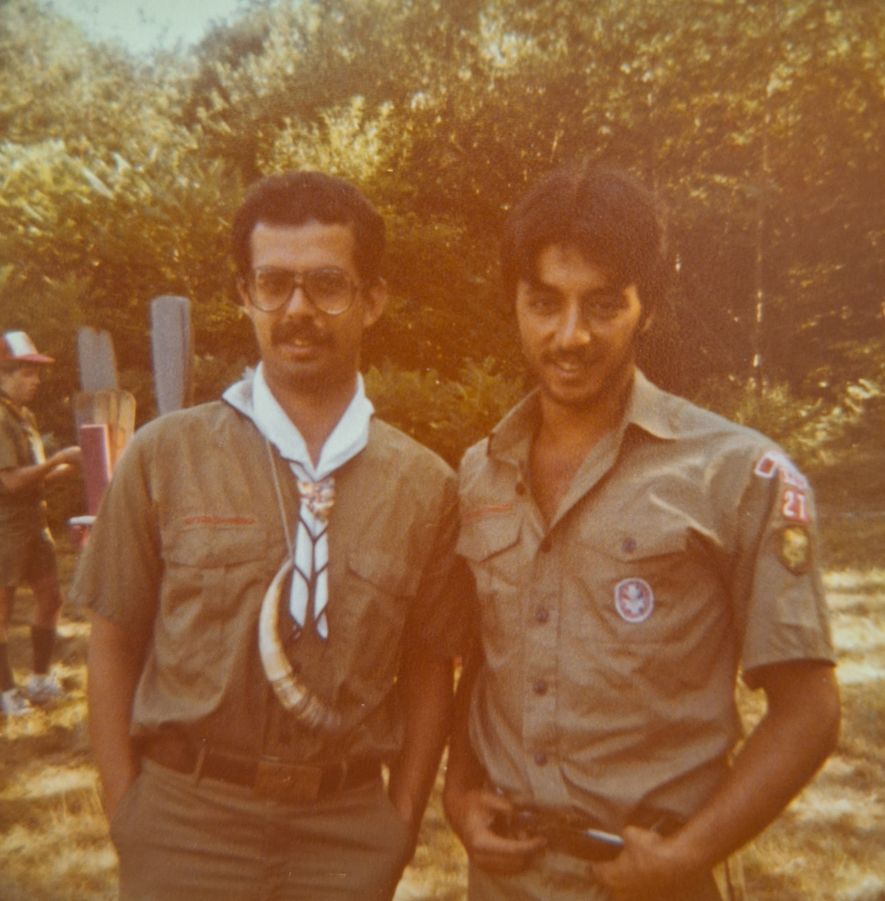
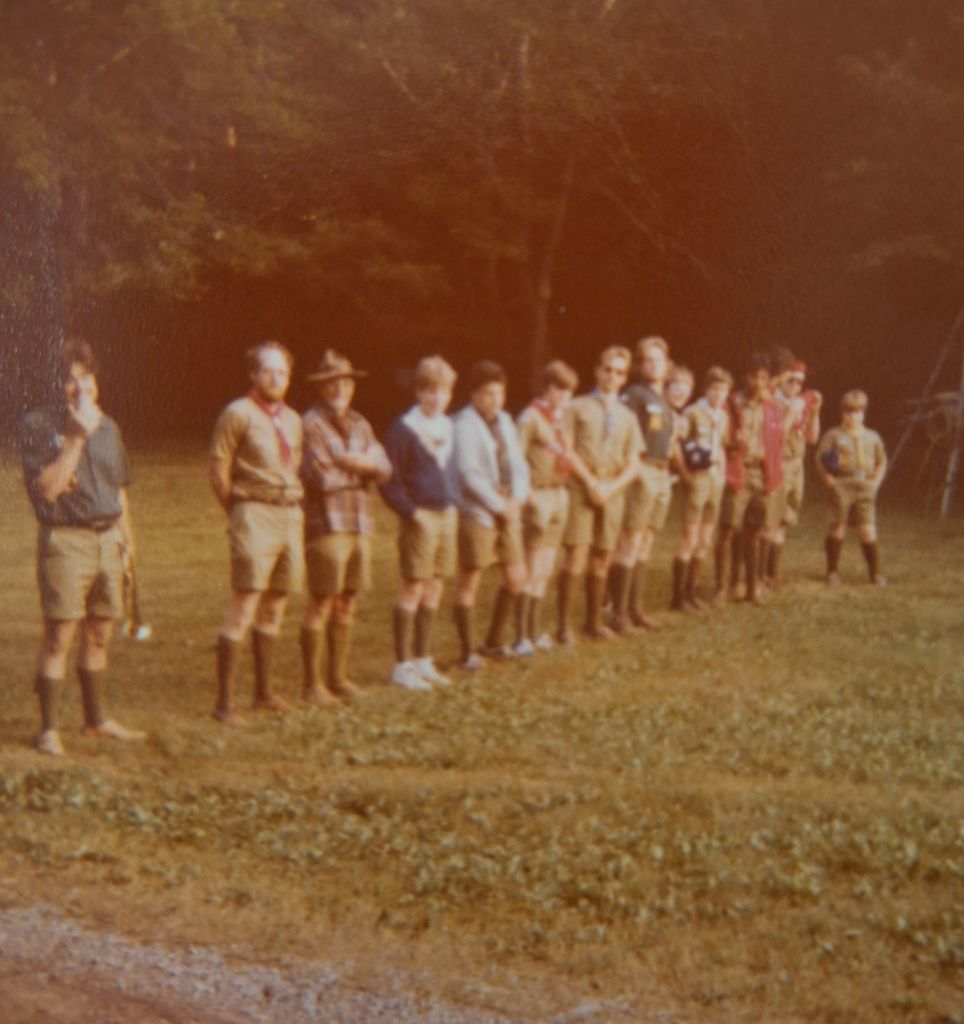
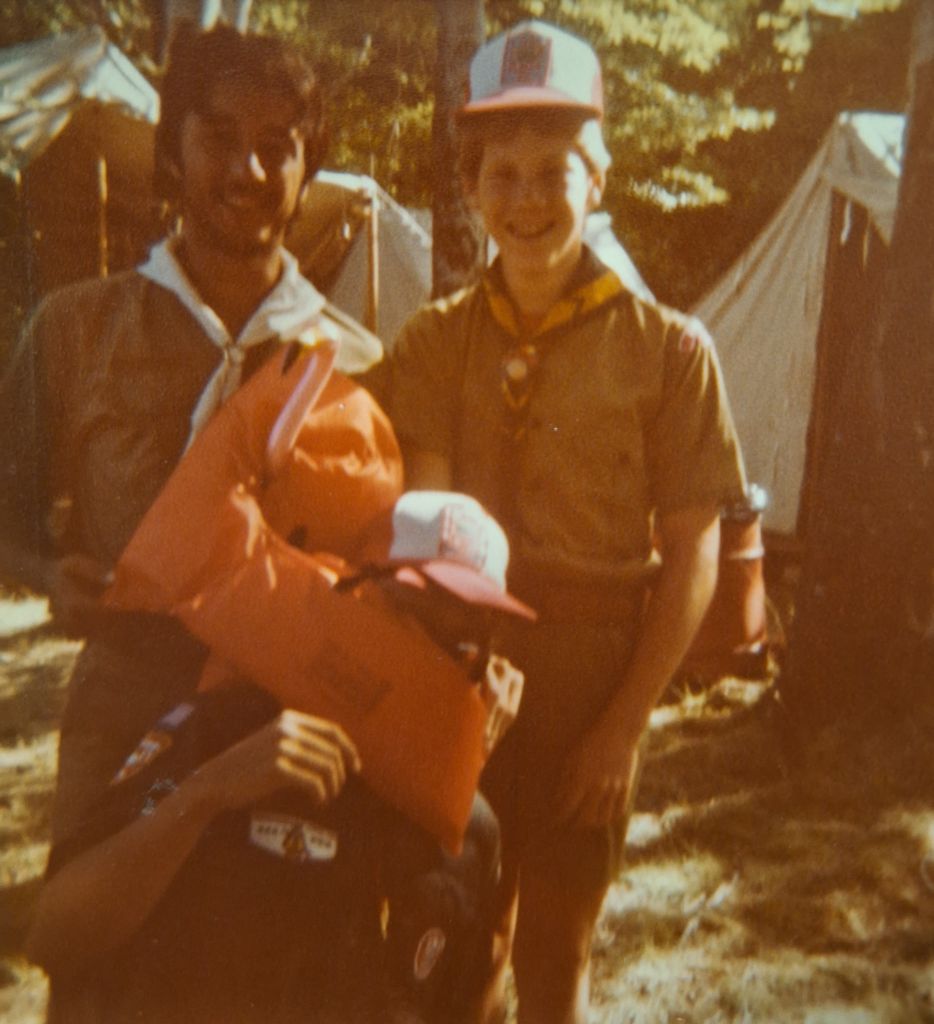
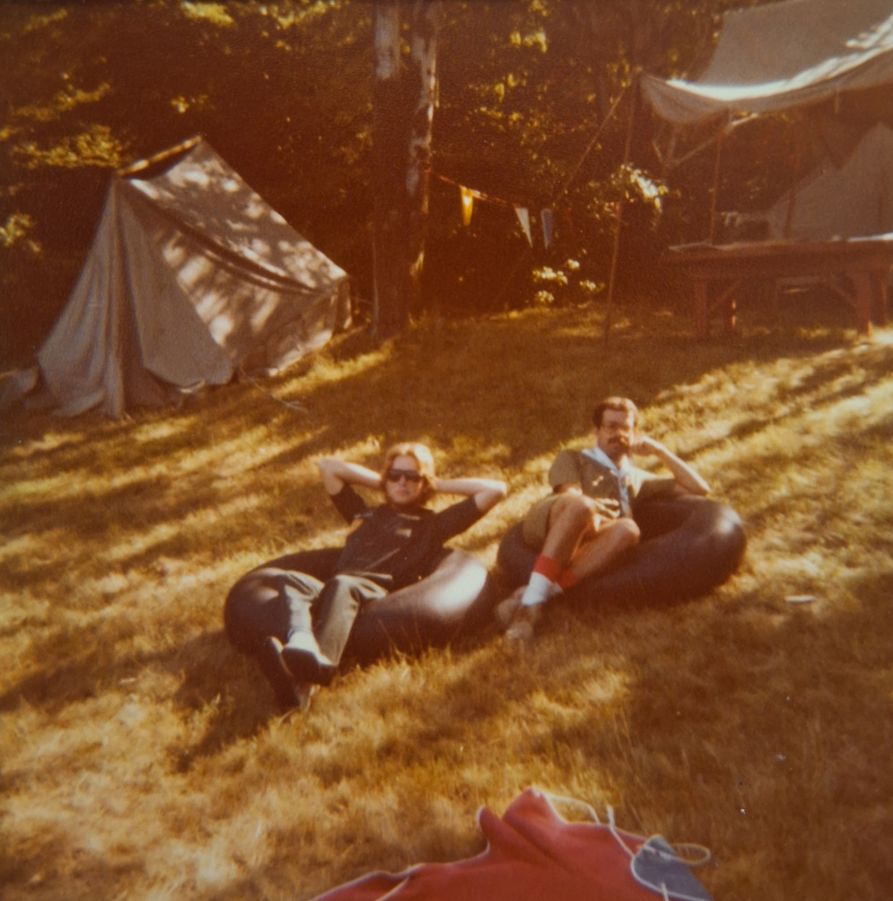
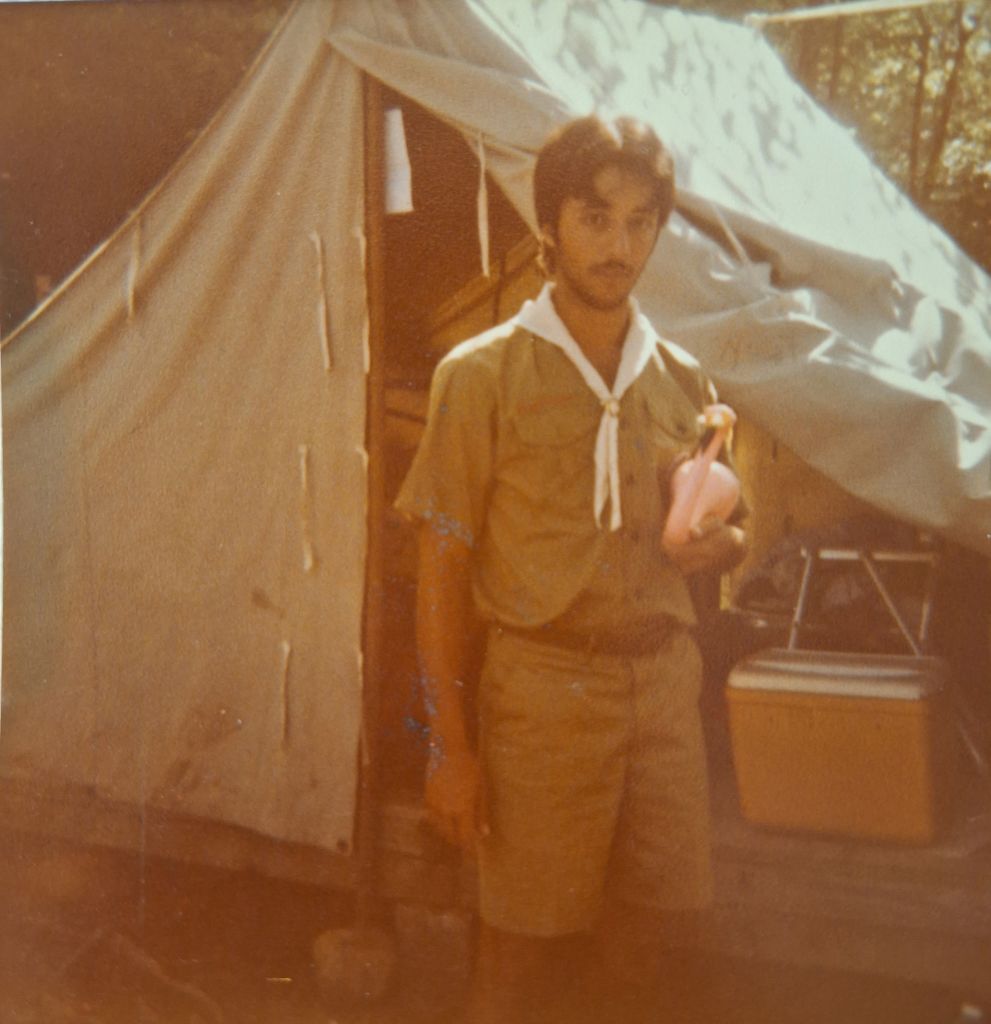

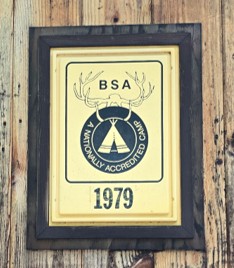
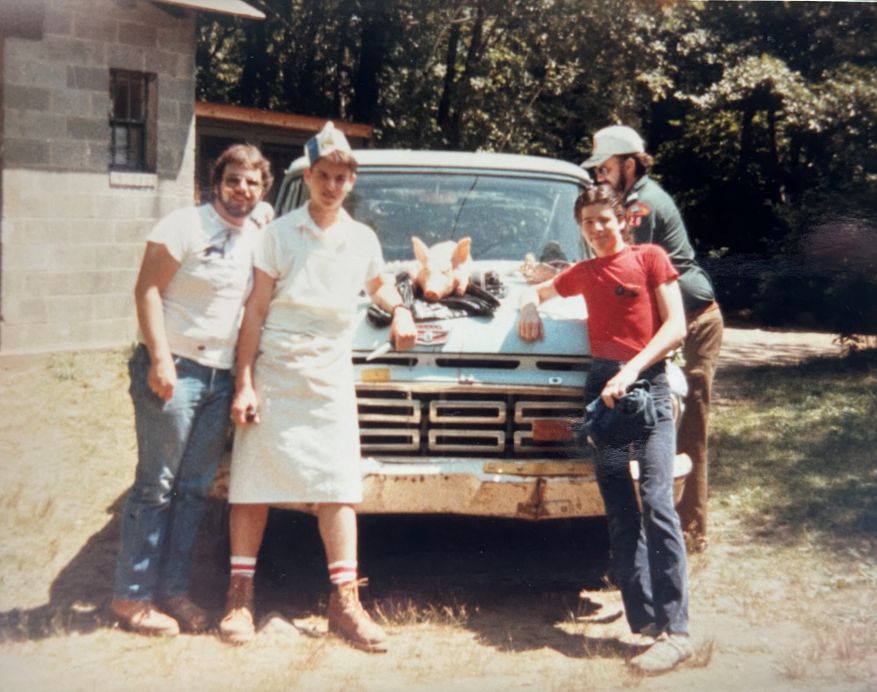
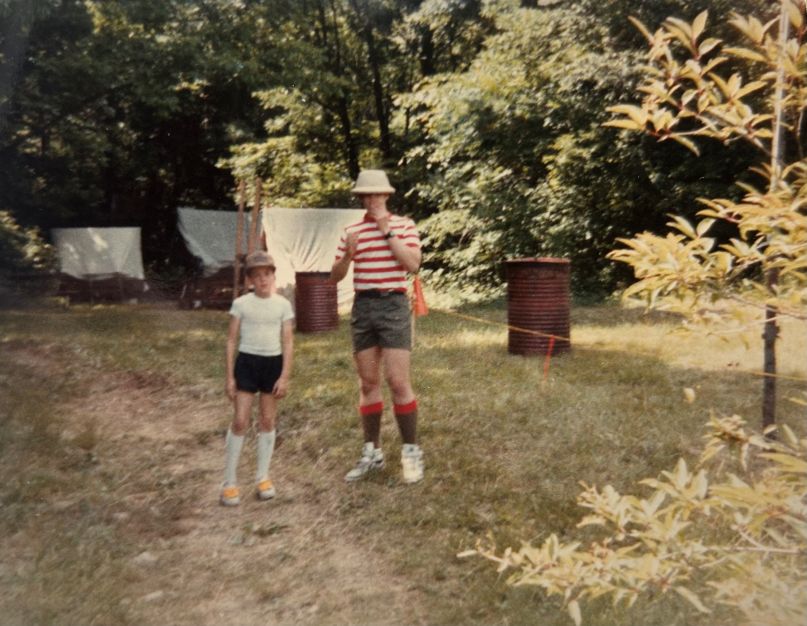
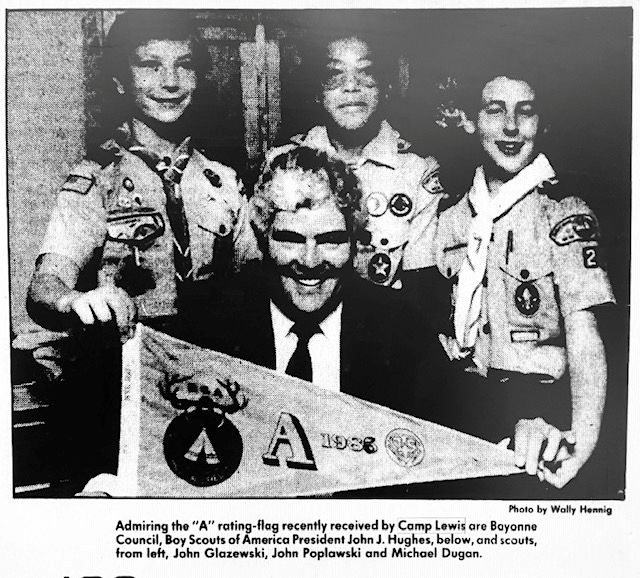
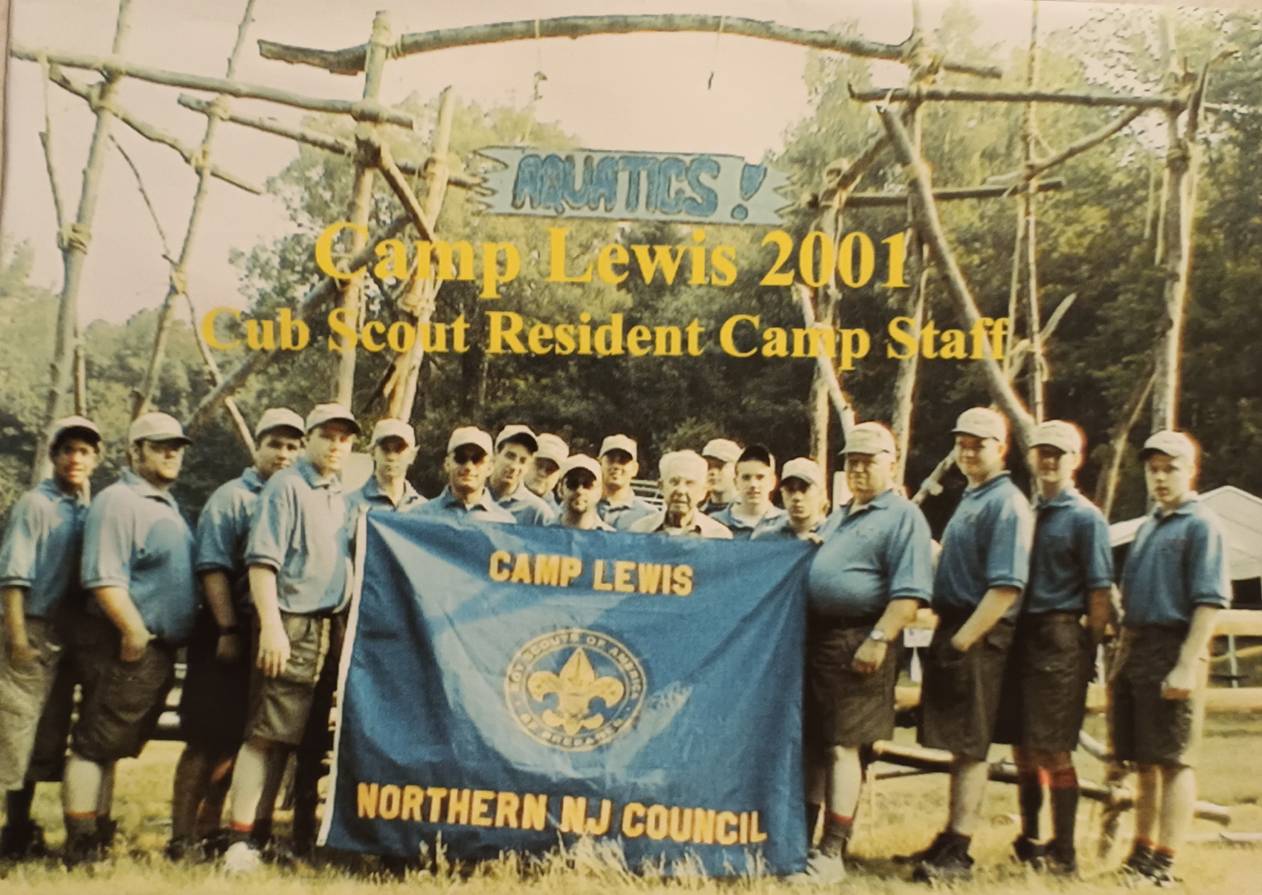
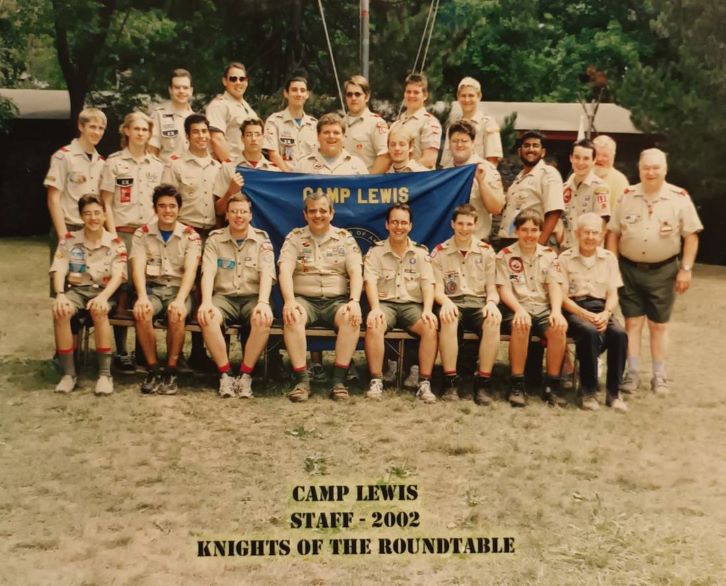
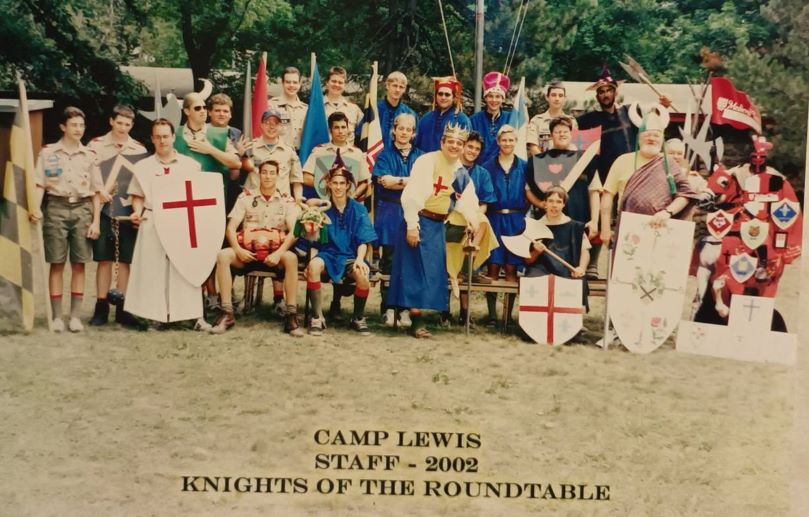

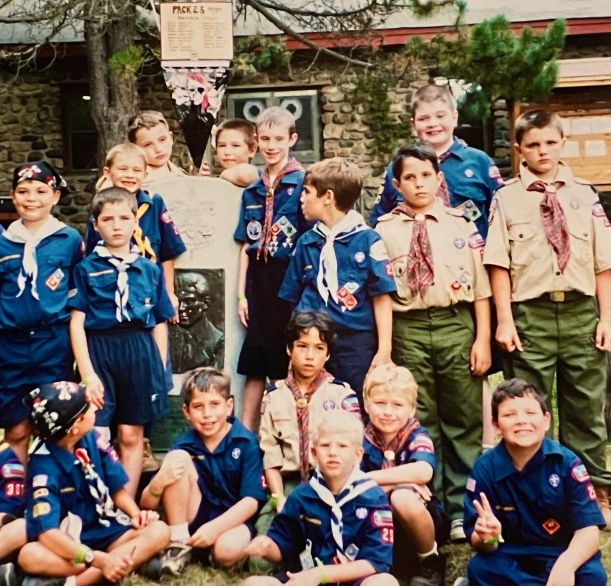
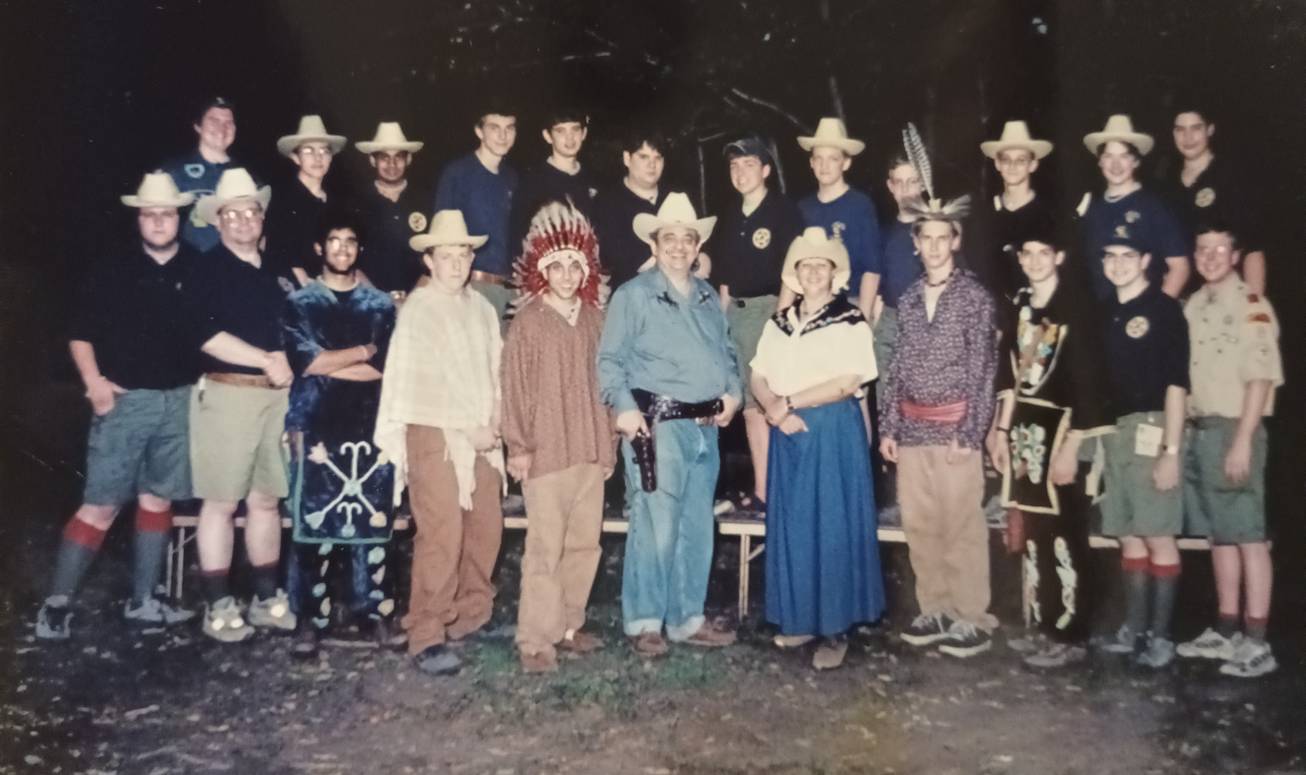
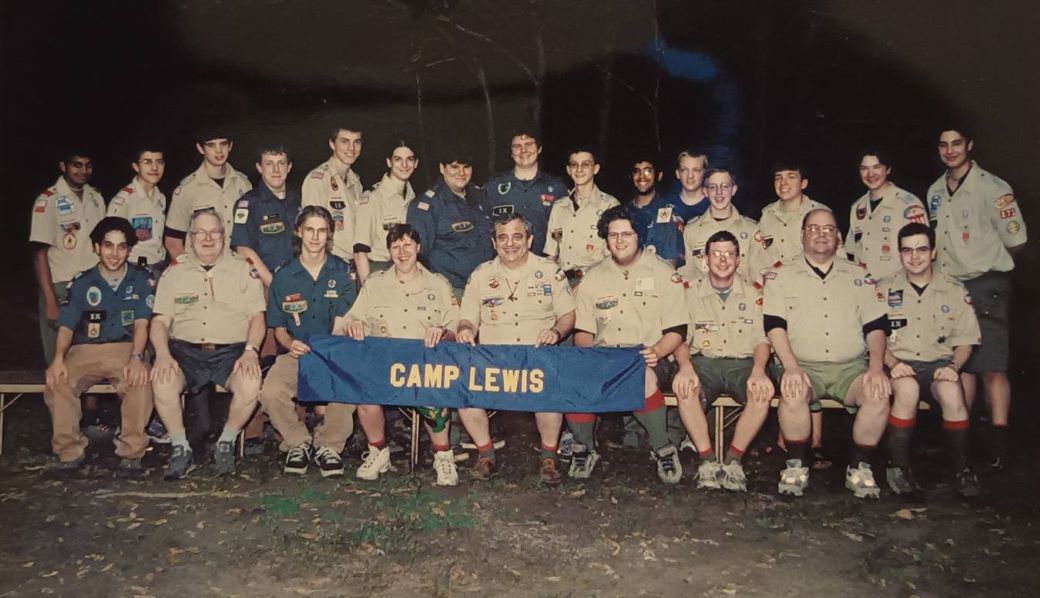
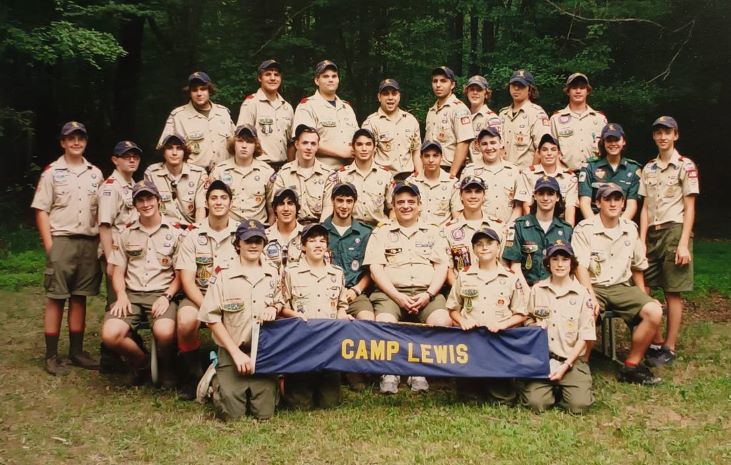
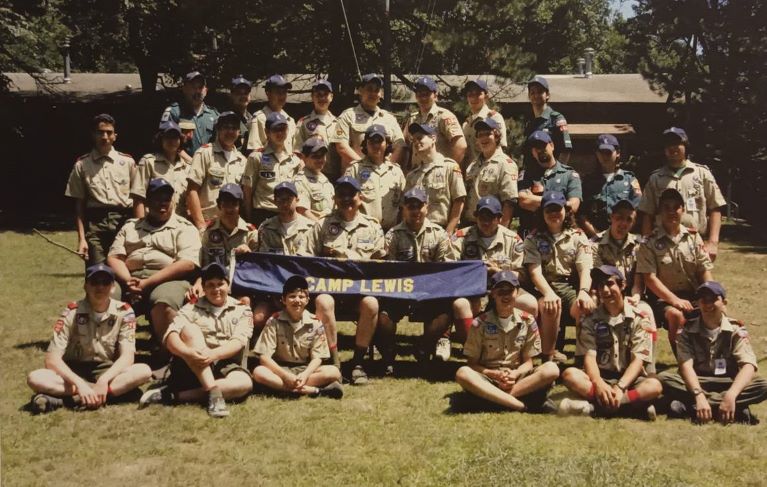
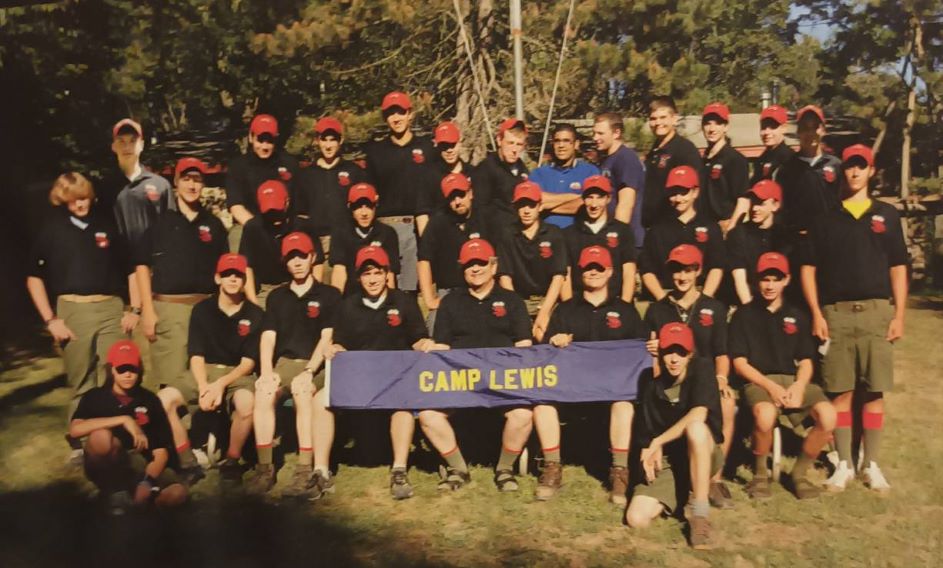
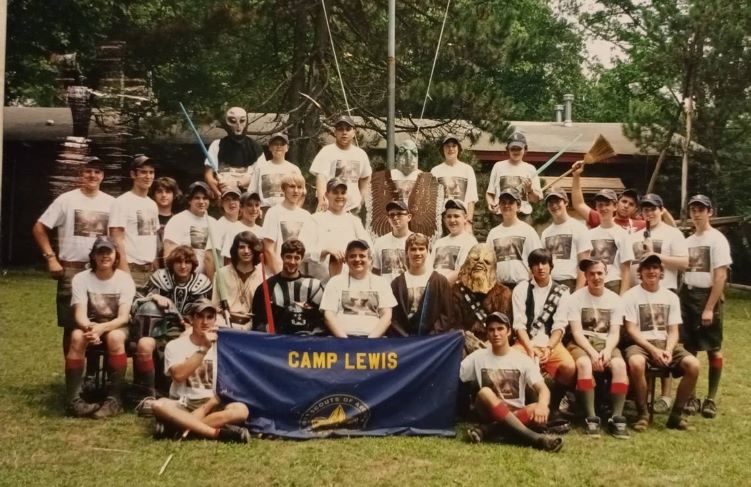
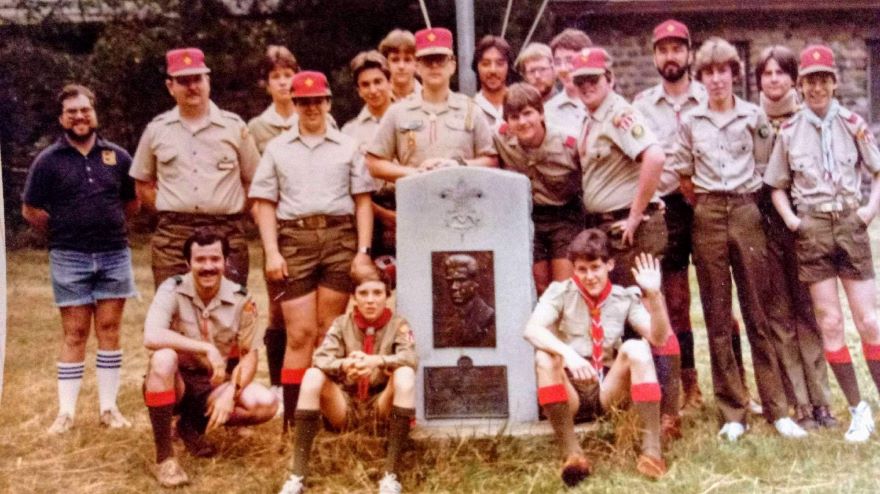
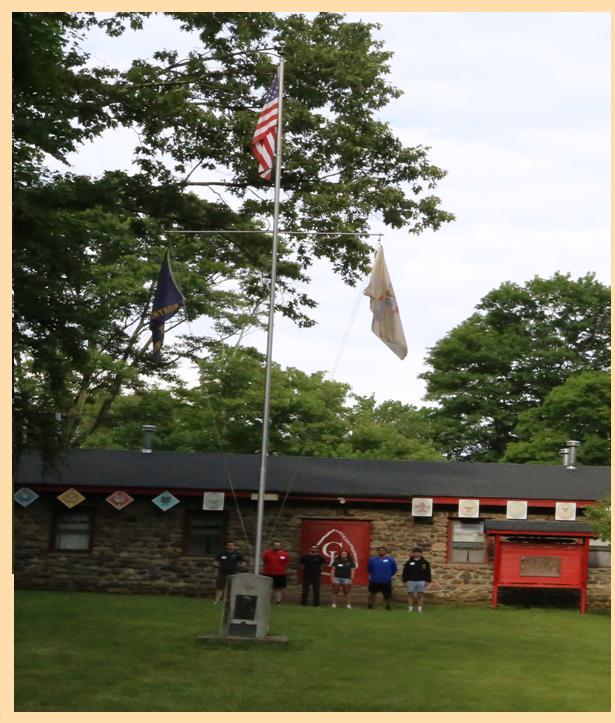
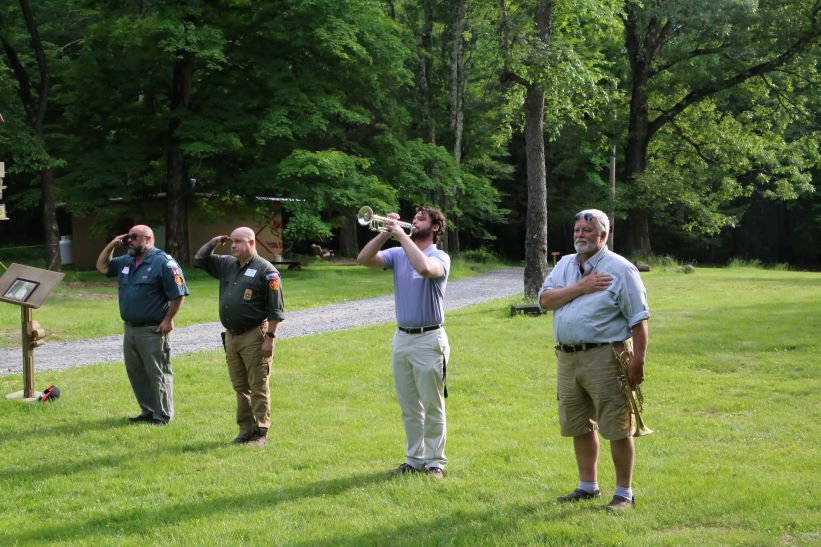
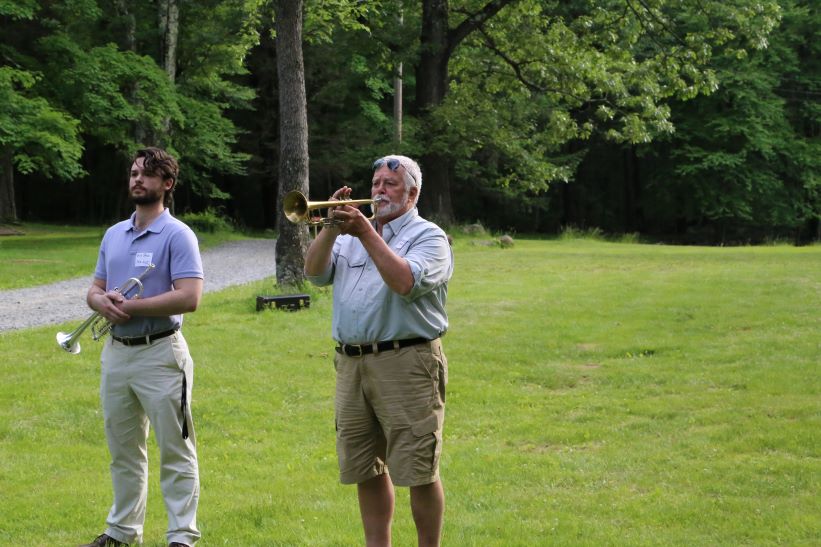
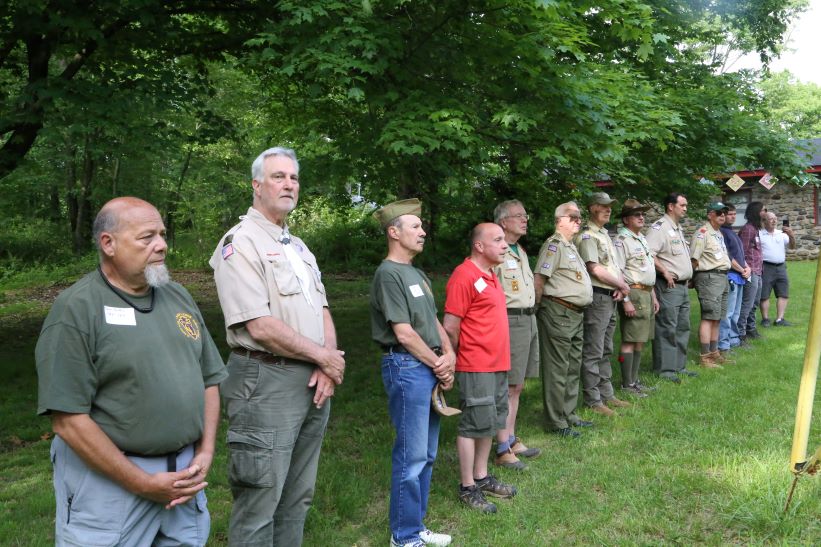
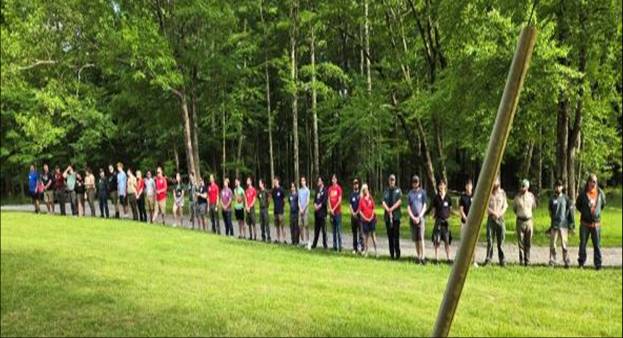
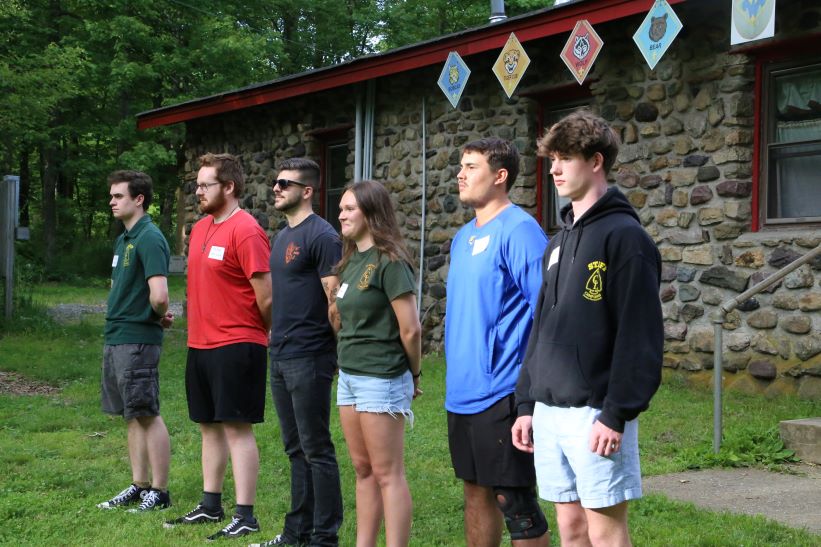
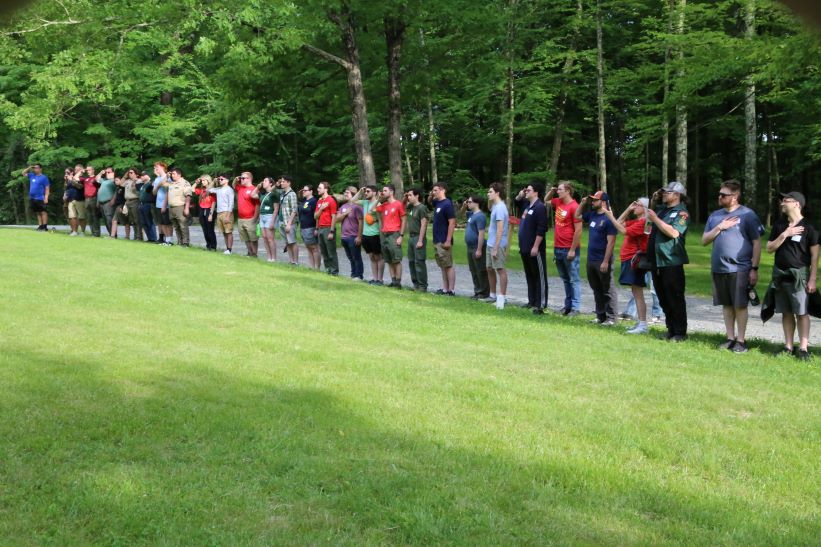
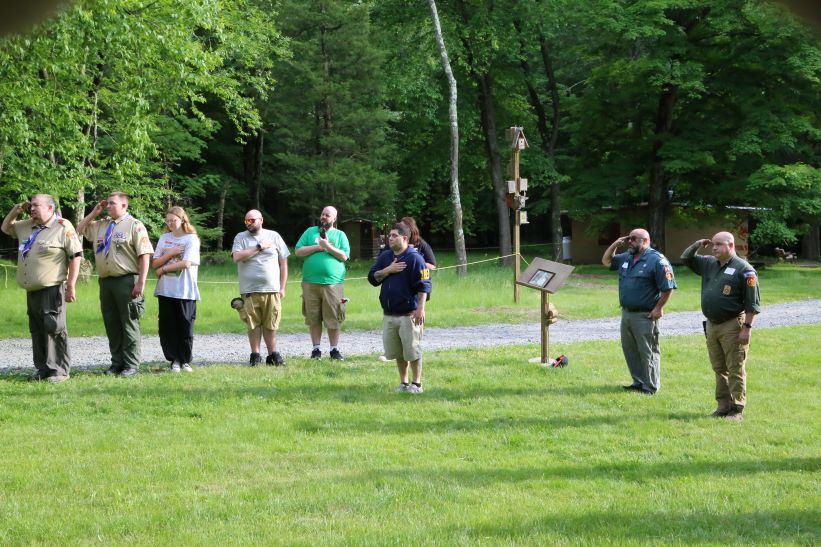
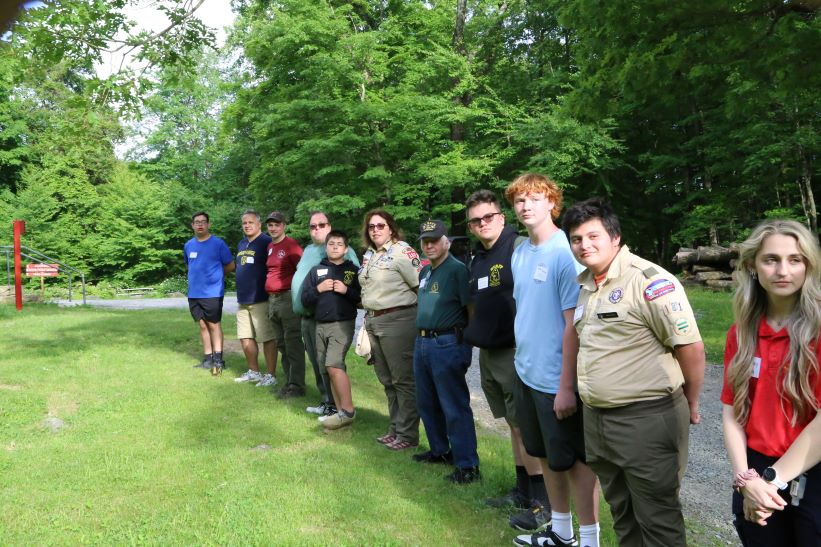
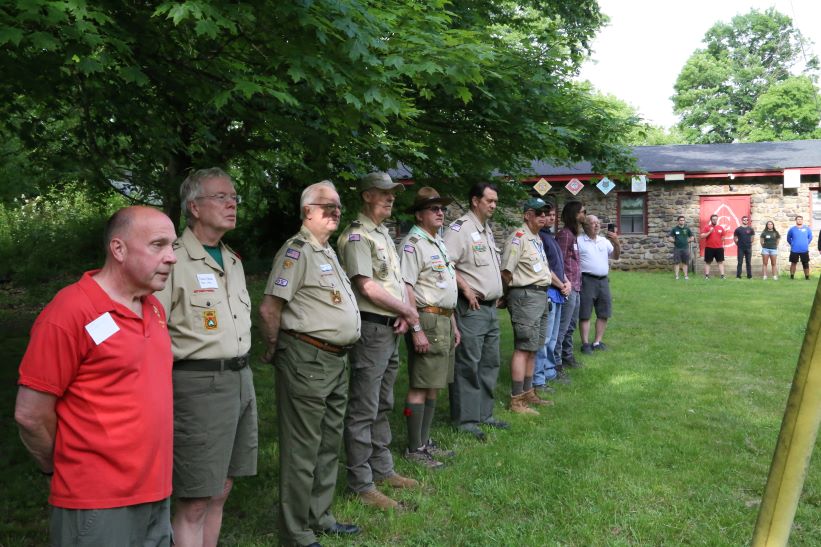
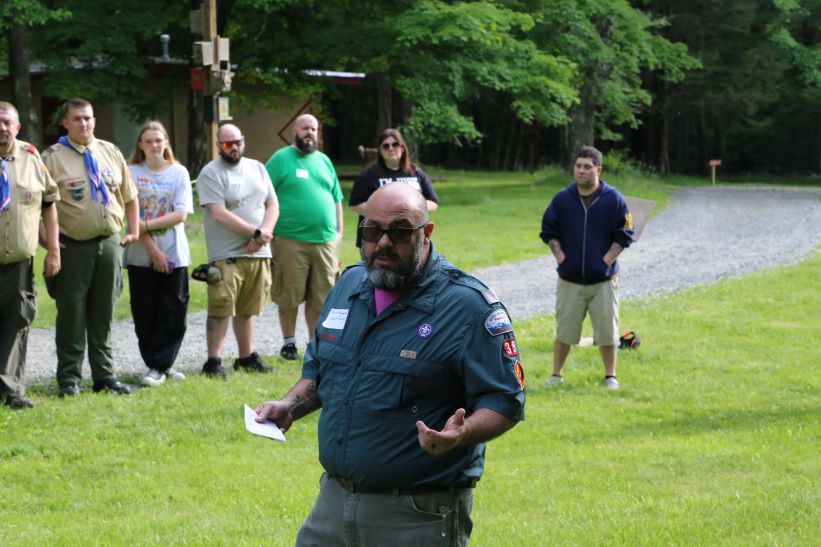
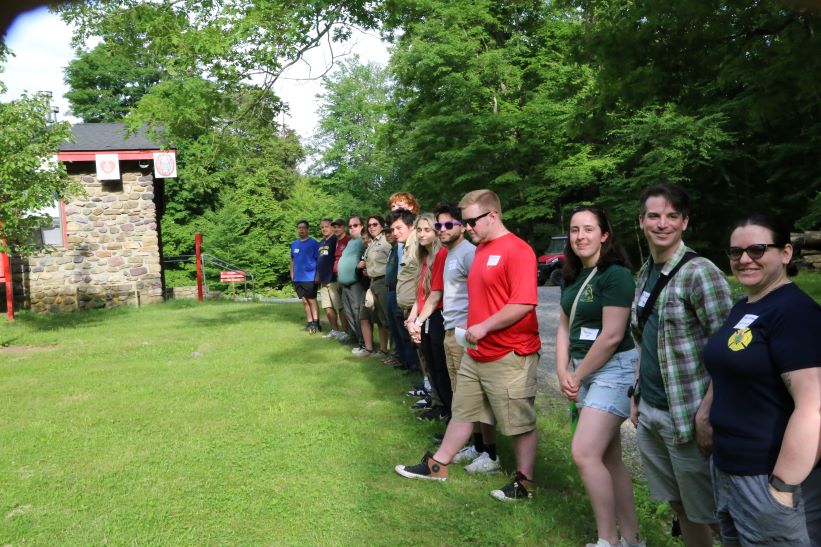
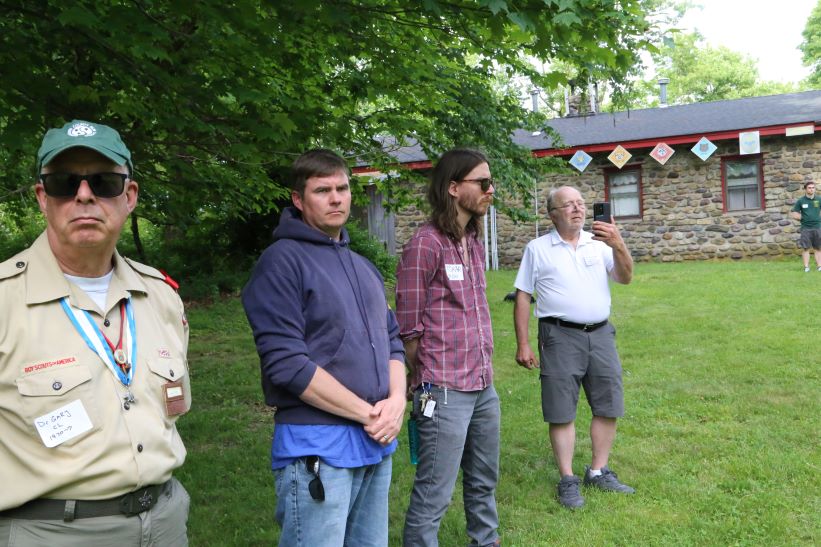
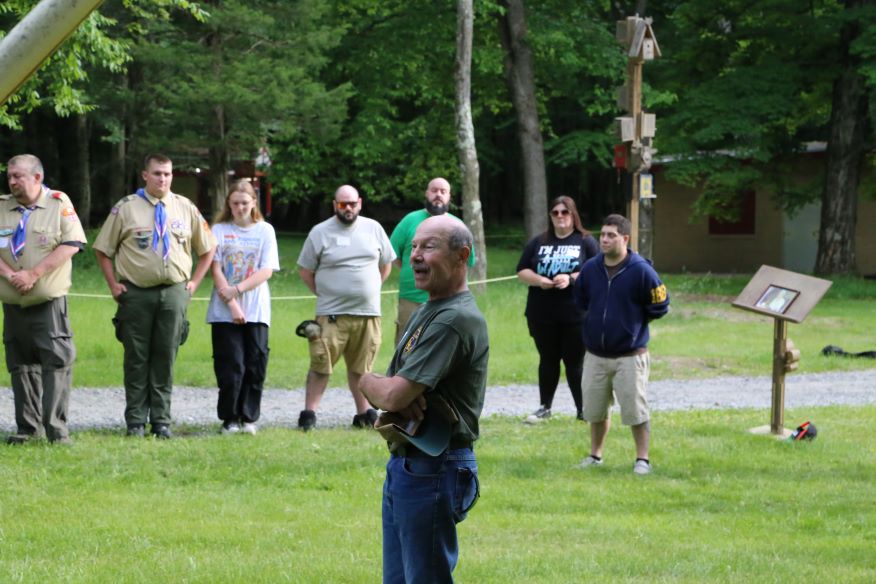
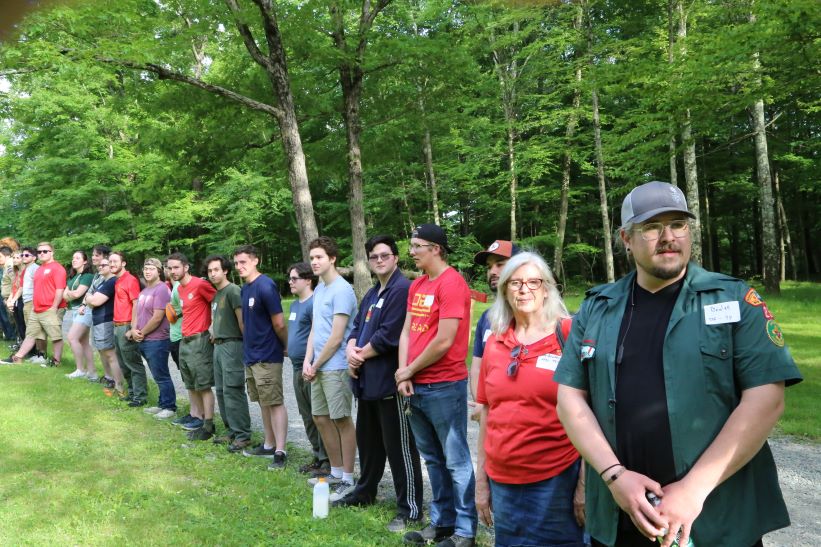
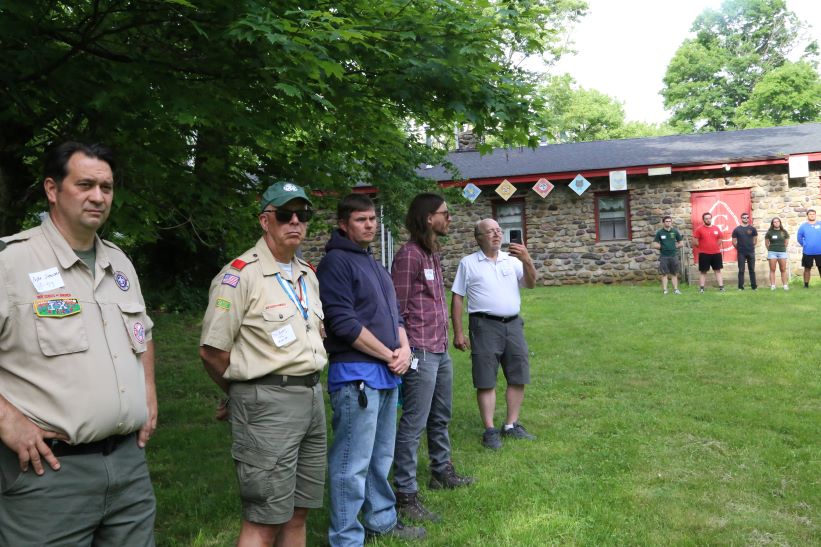
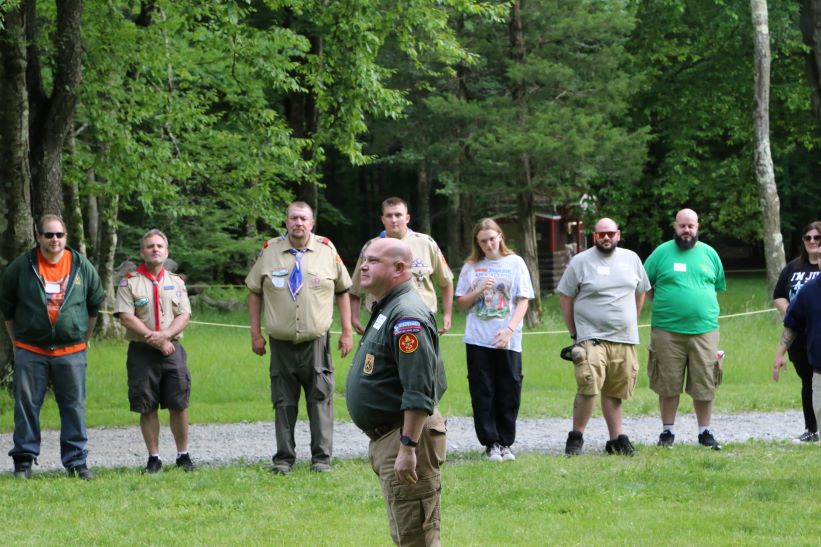
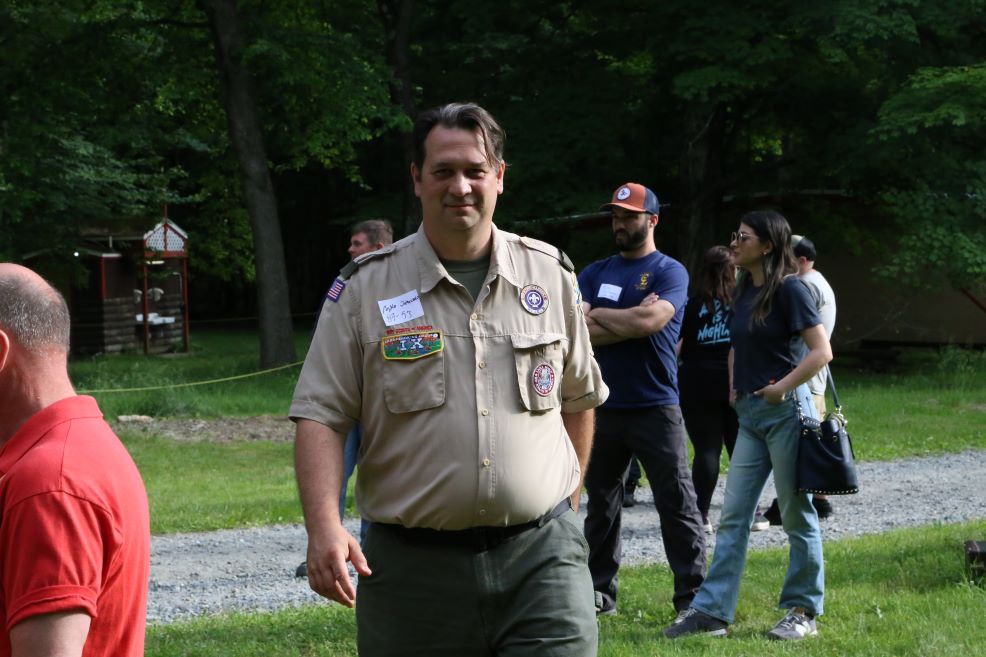
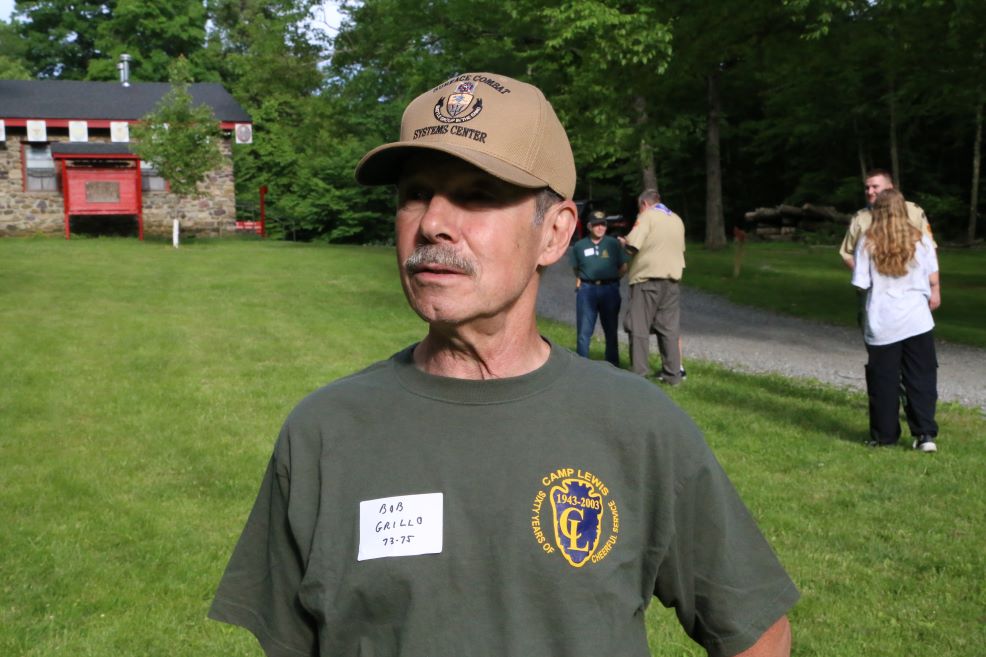
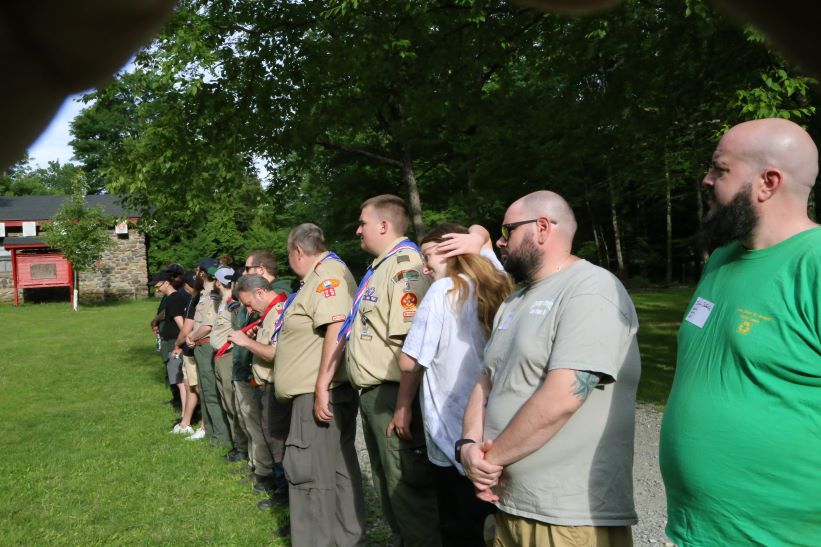
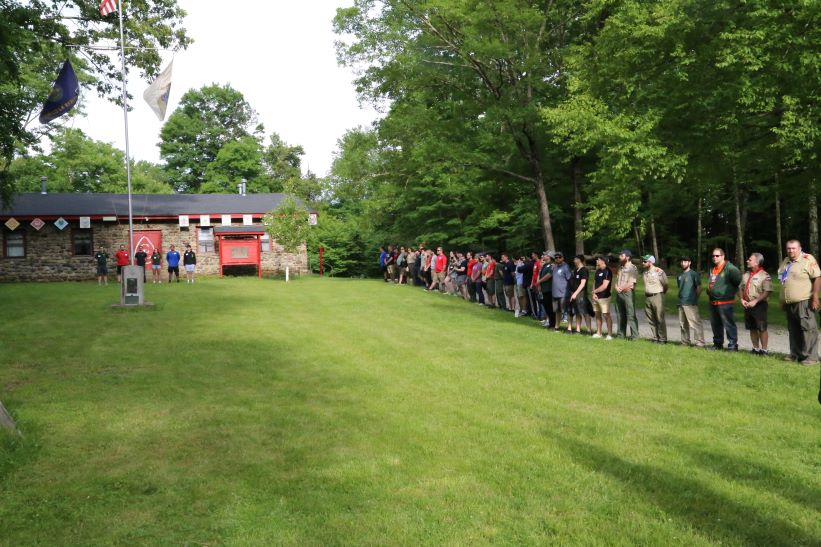
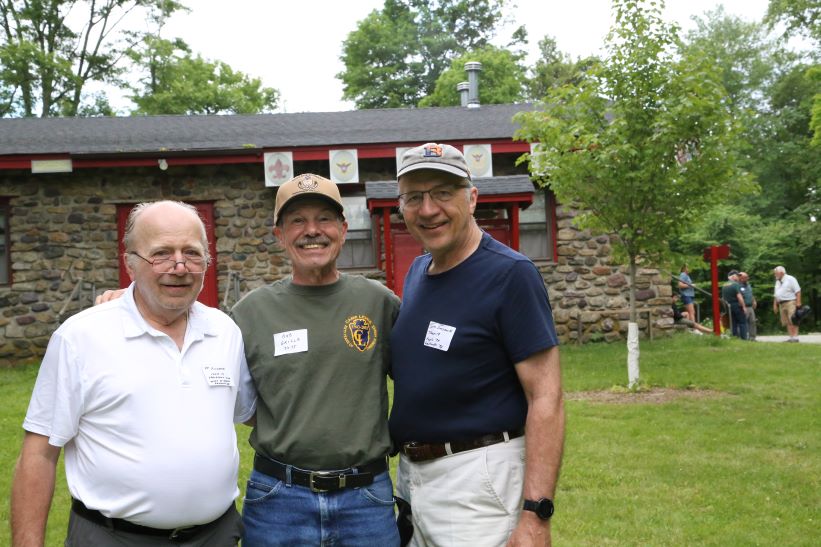
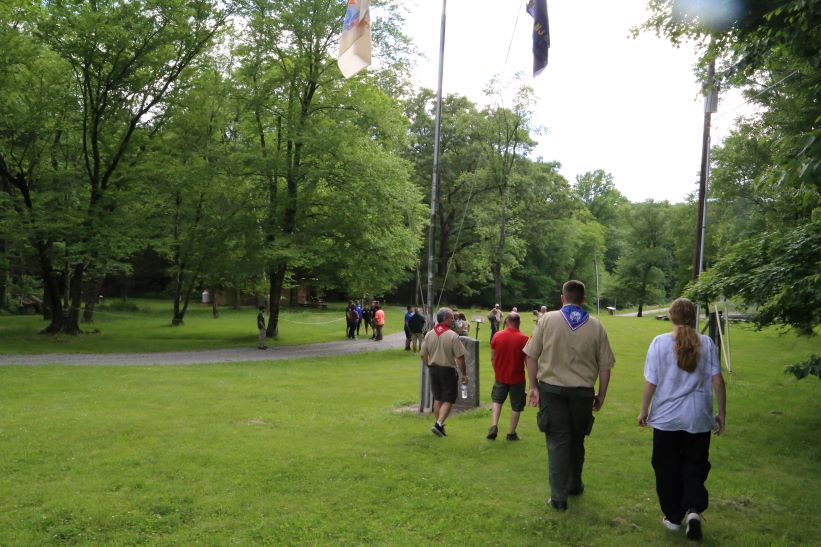
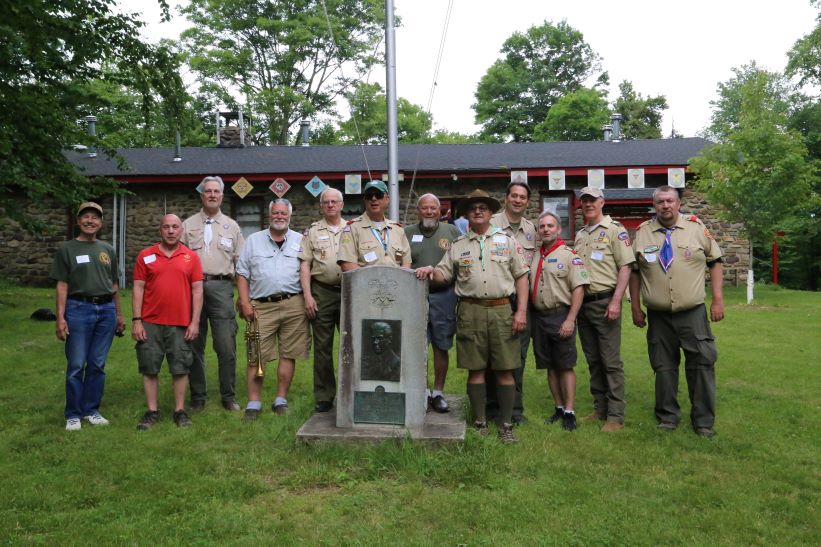
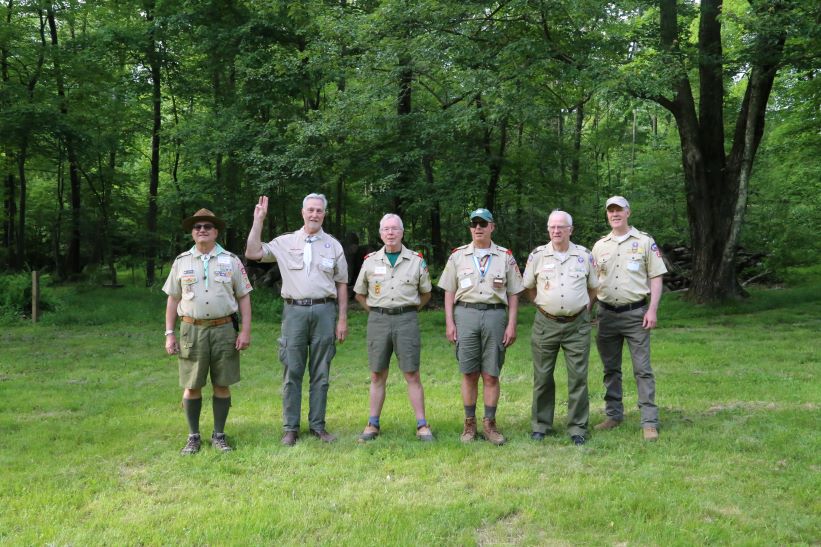
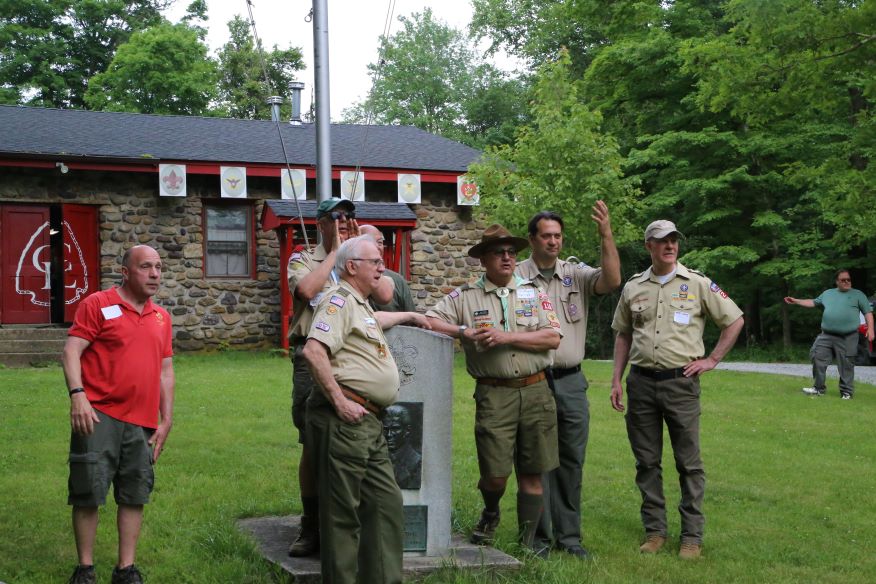
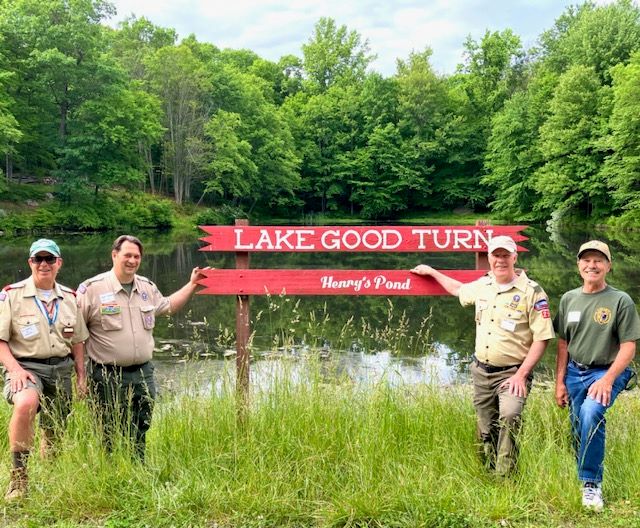
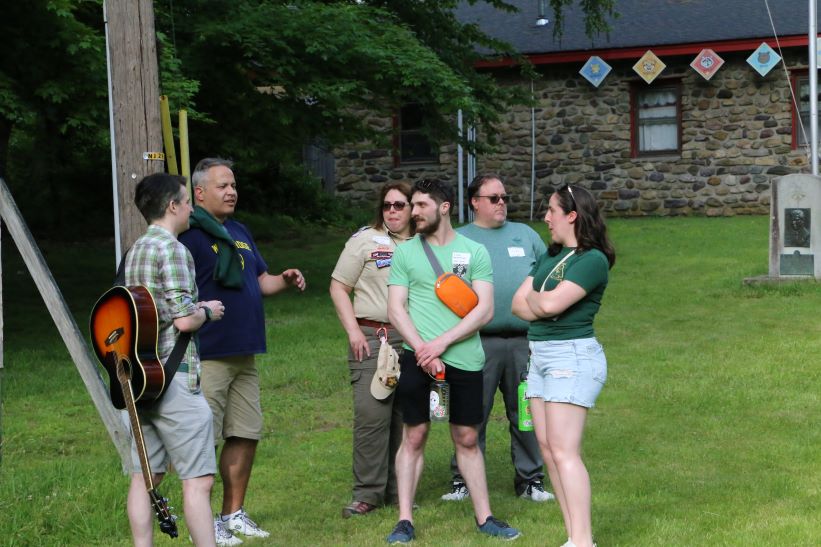
.JPG)
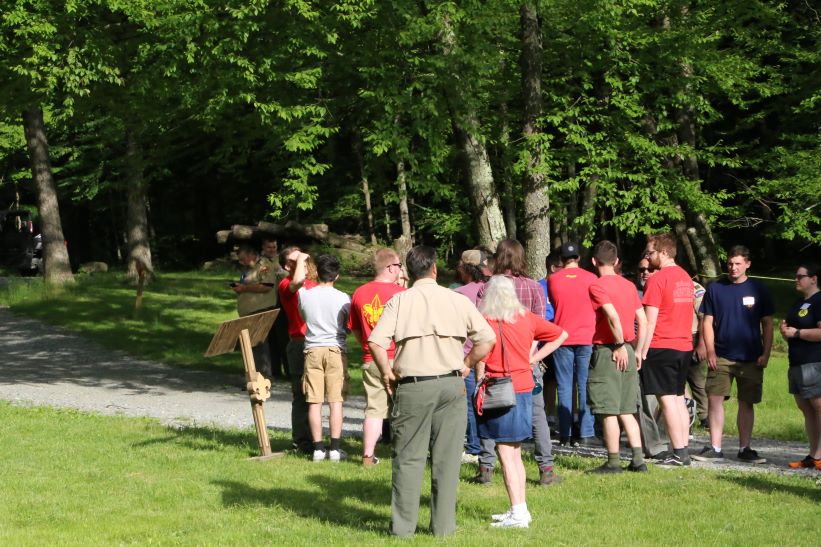
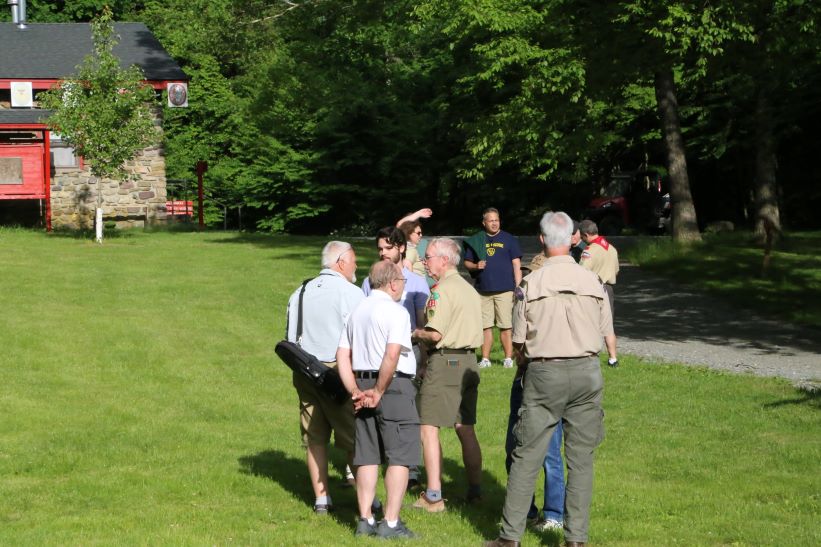
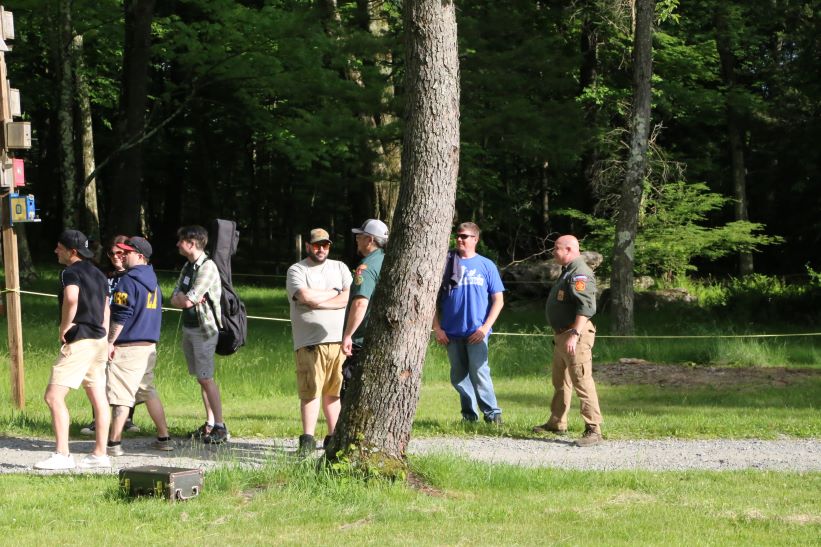
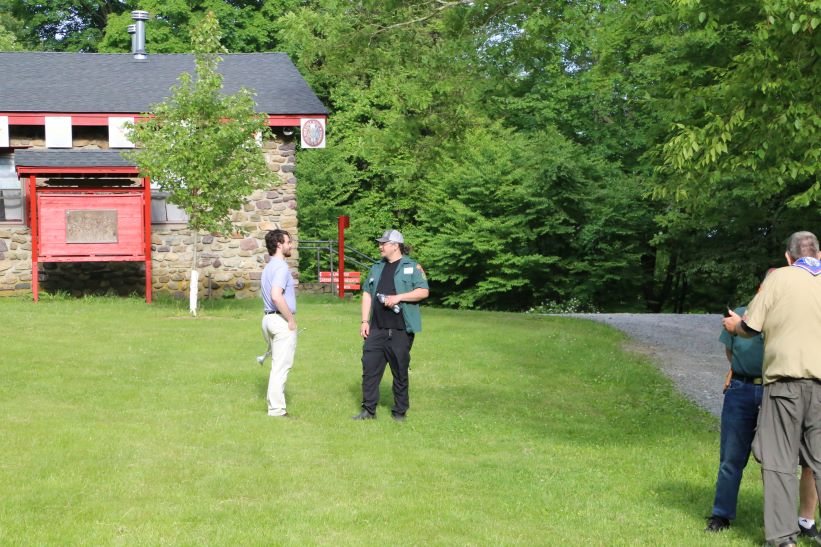
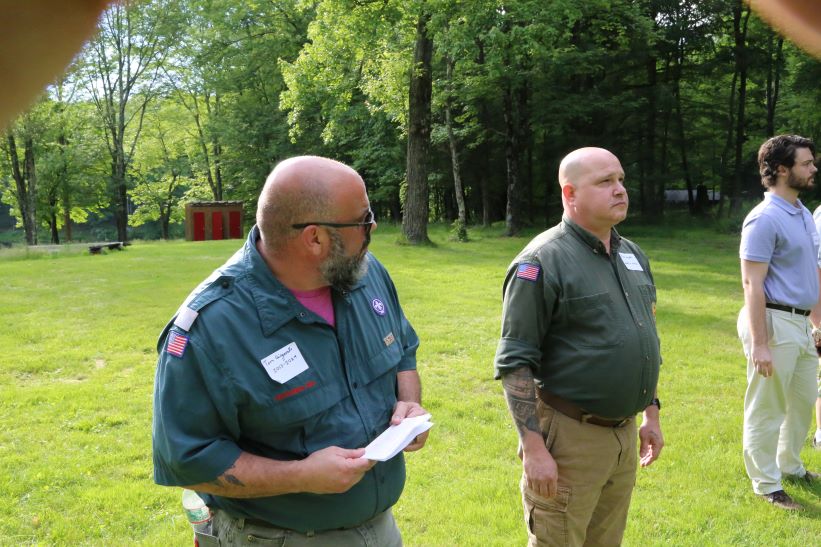
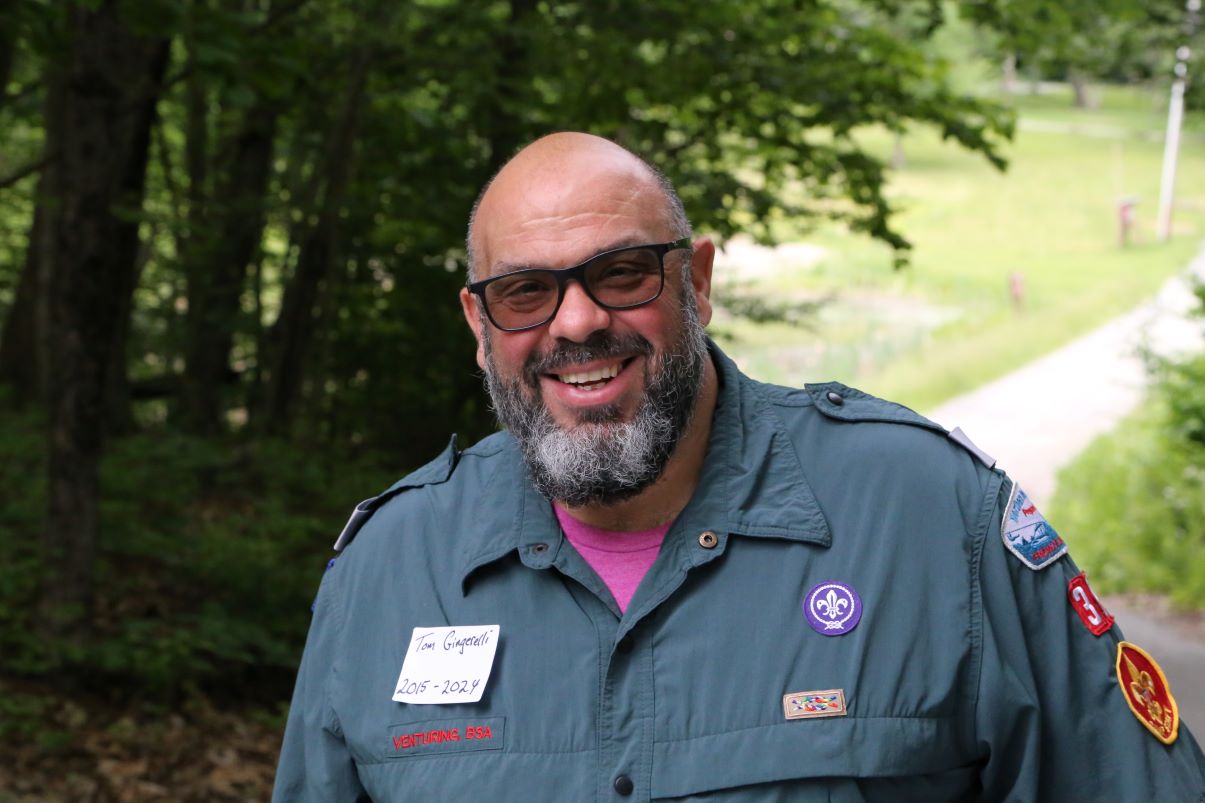

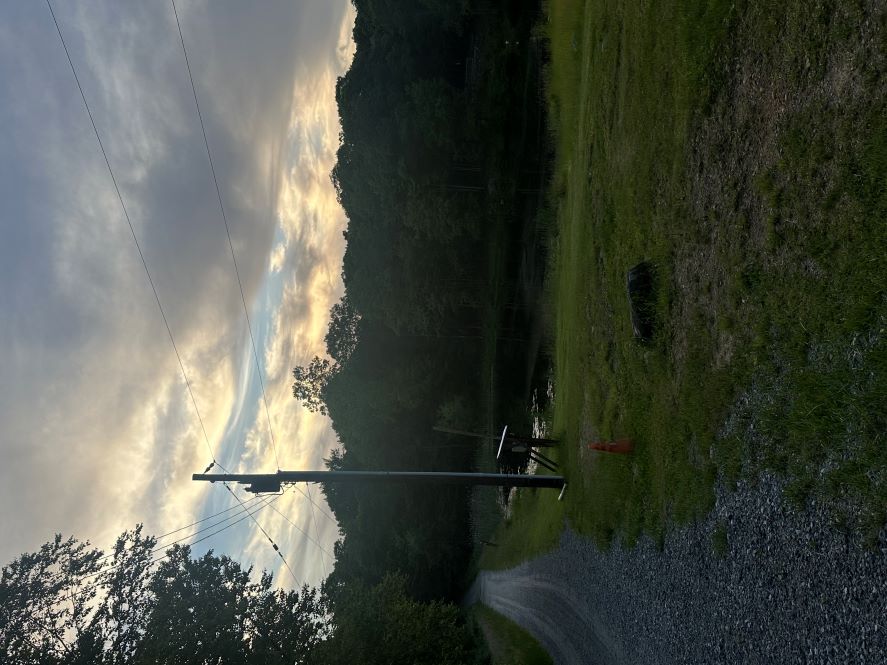
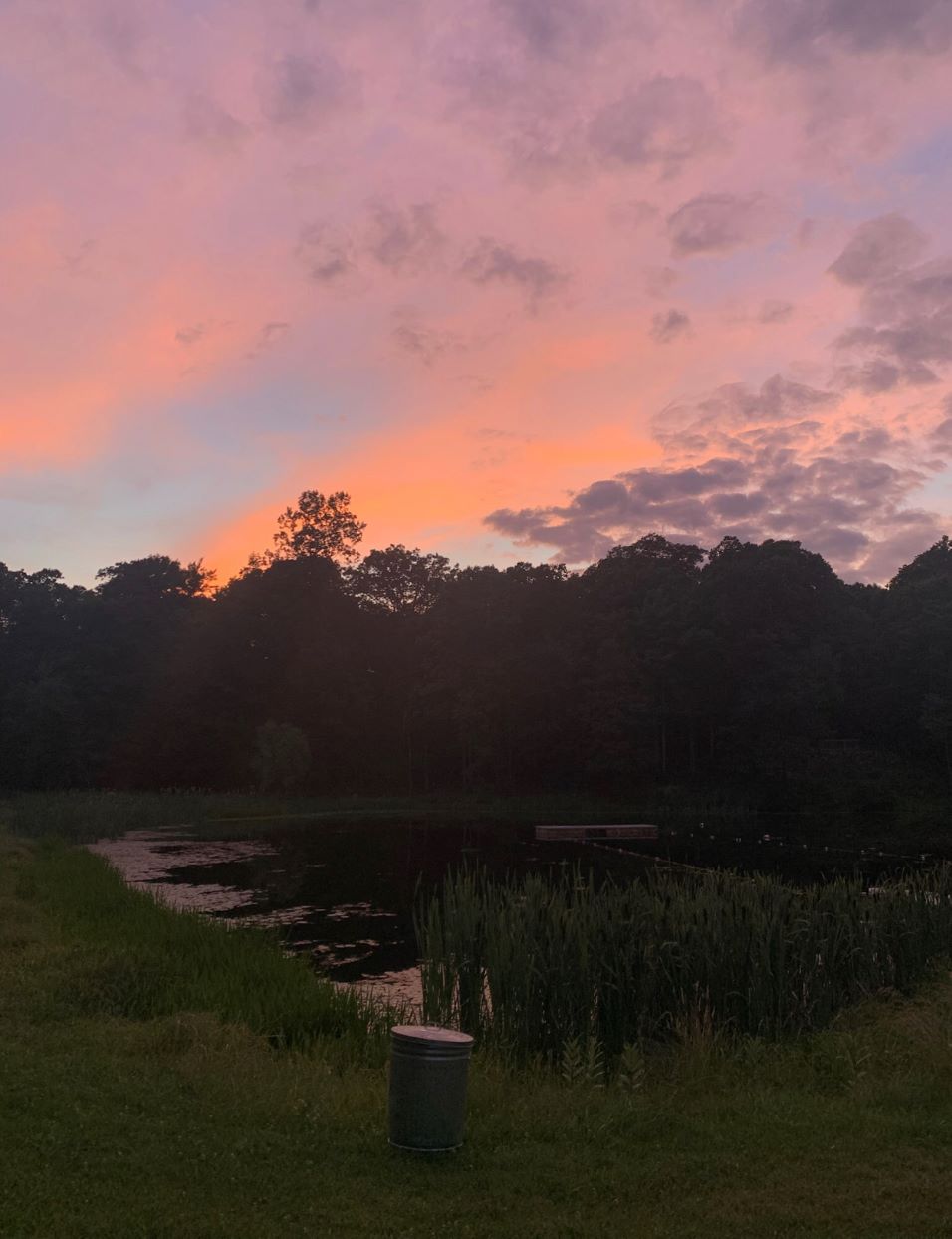
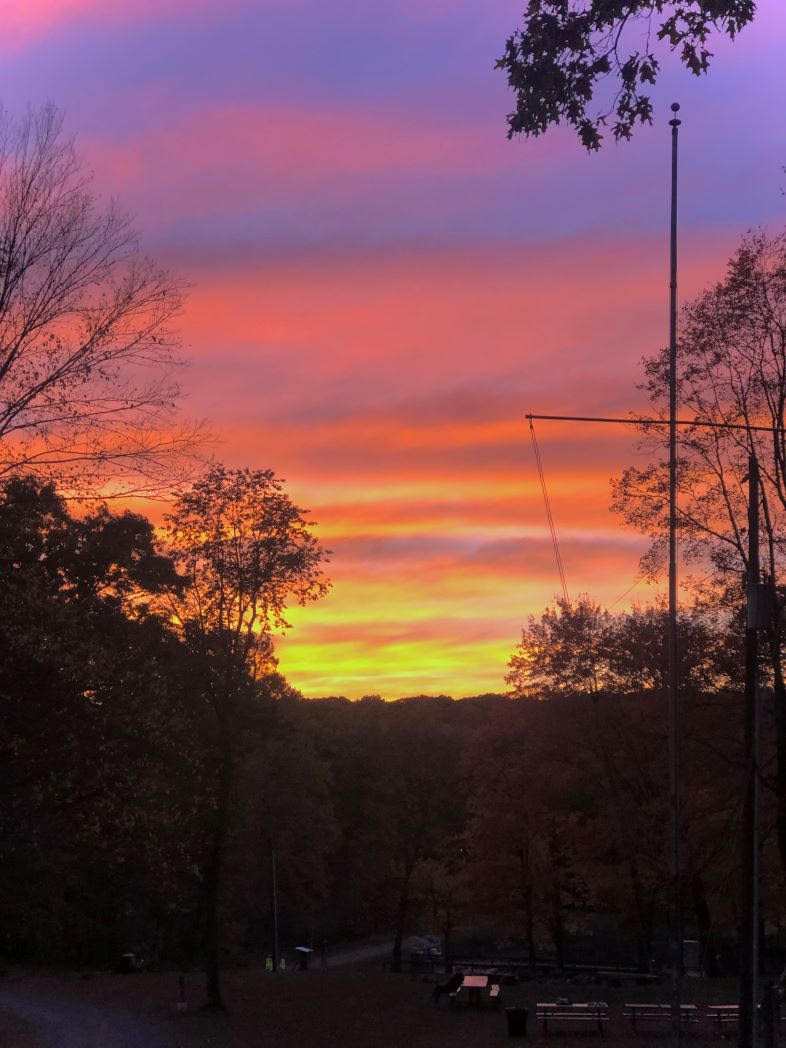
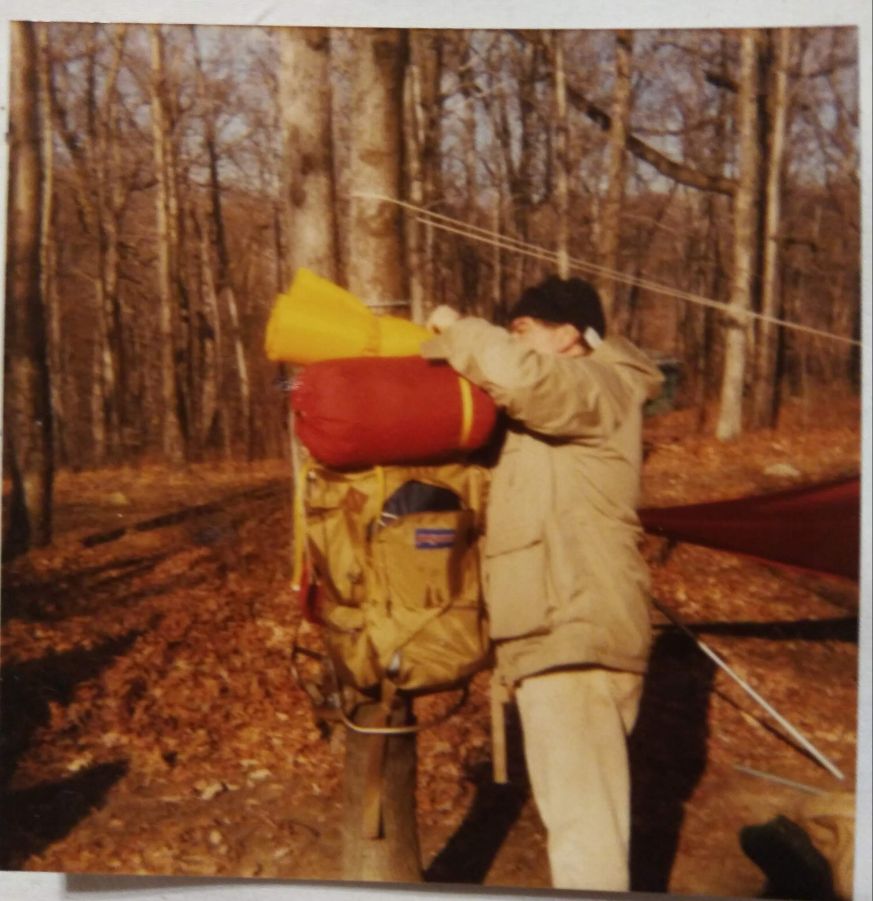
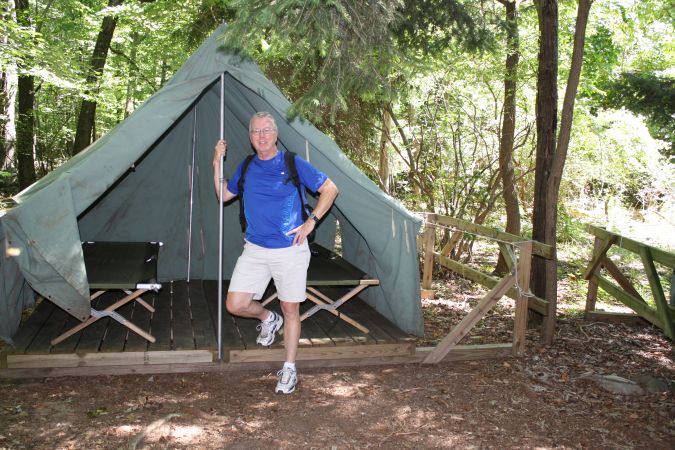
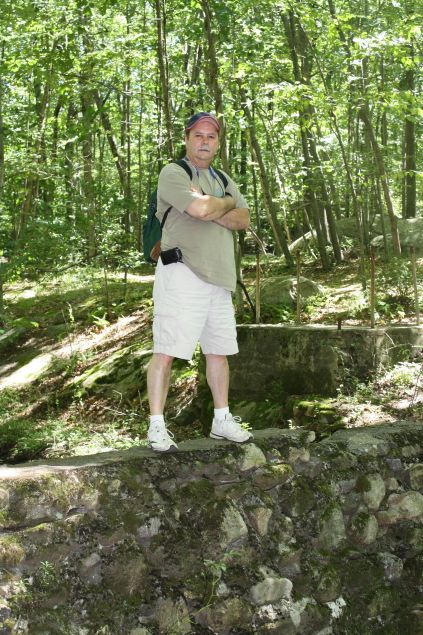
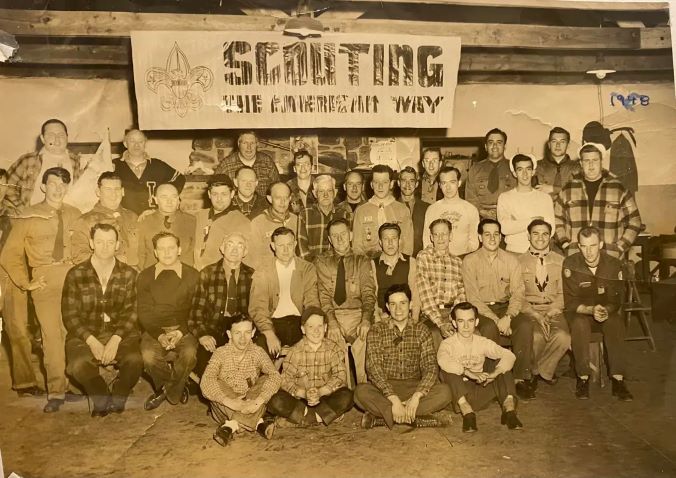
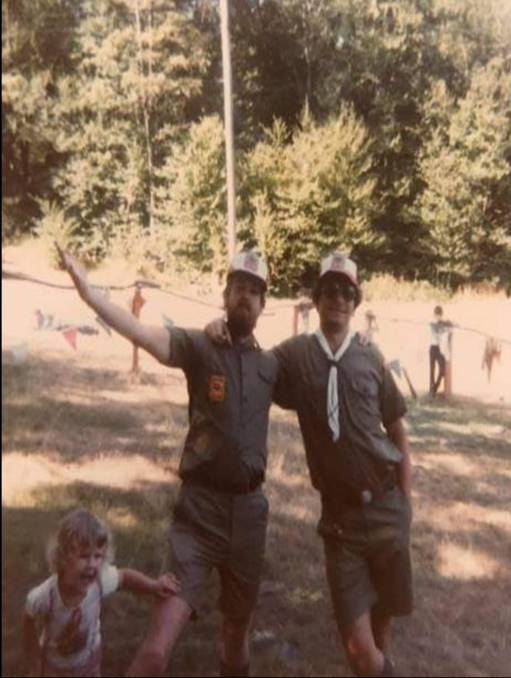
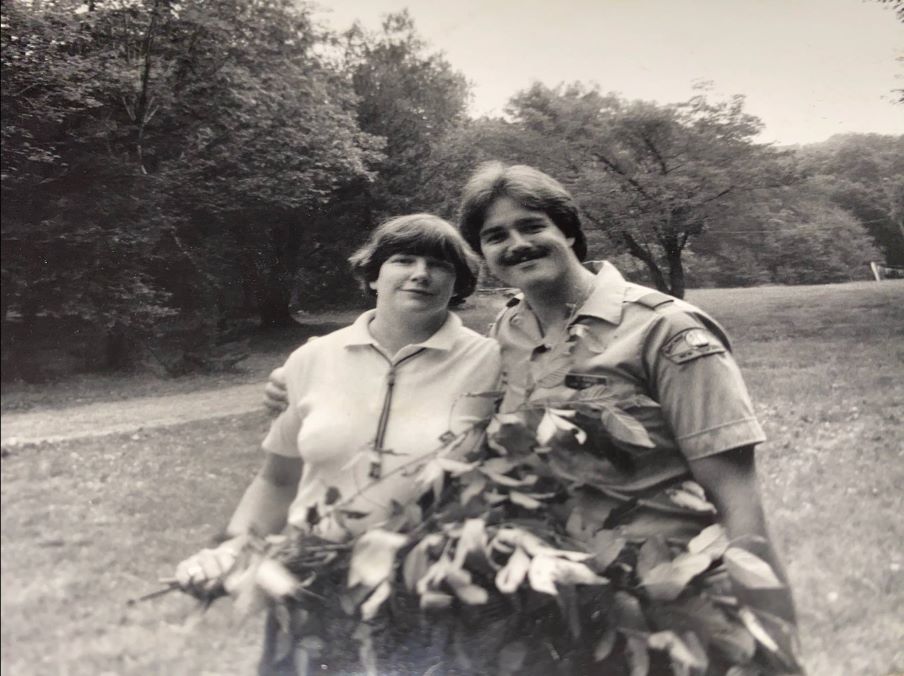
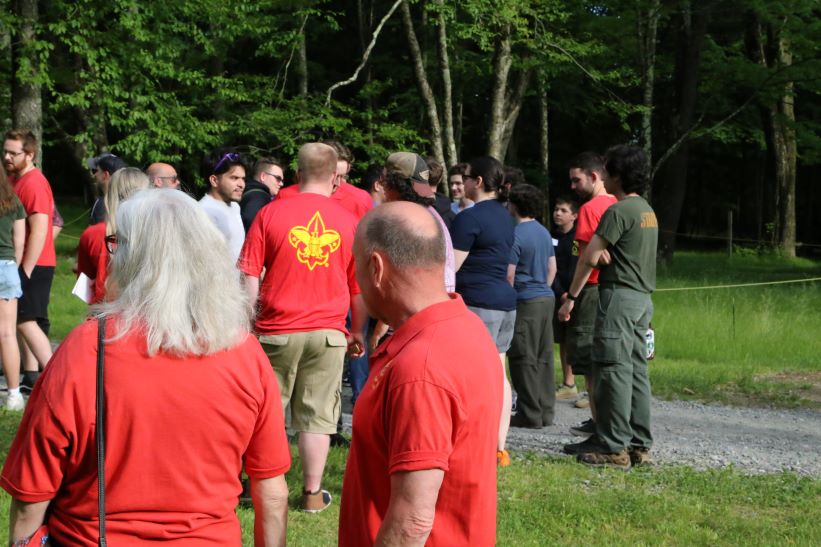
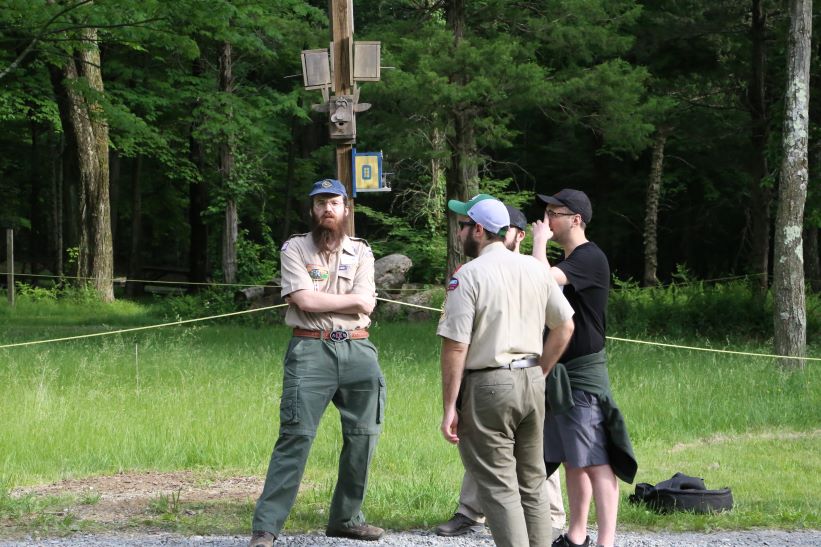
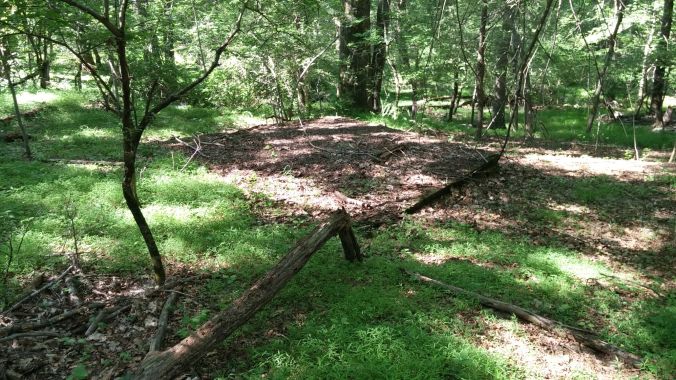
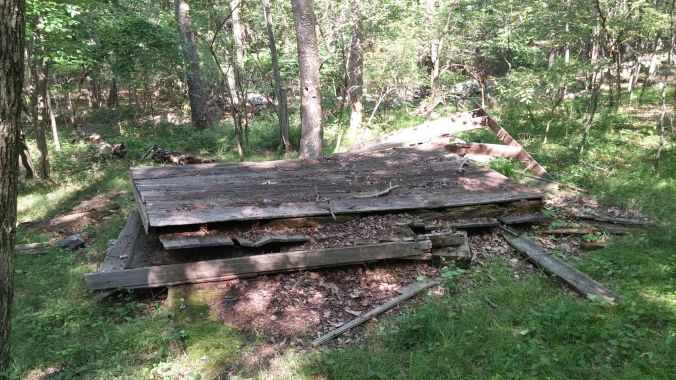
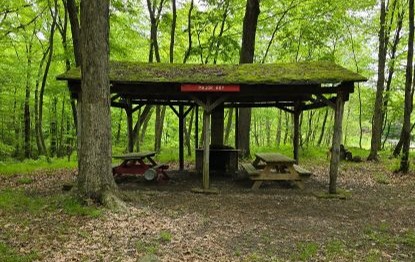
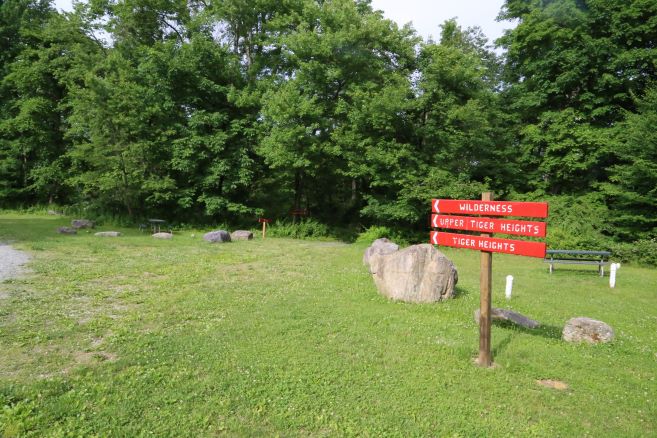
Photos courtesy of Dr. Tom Suczewski and John Johansen
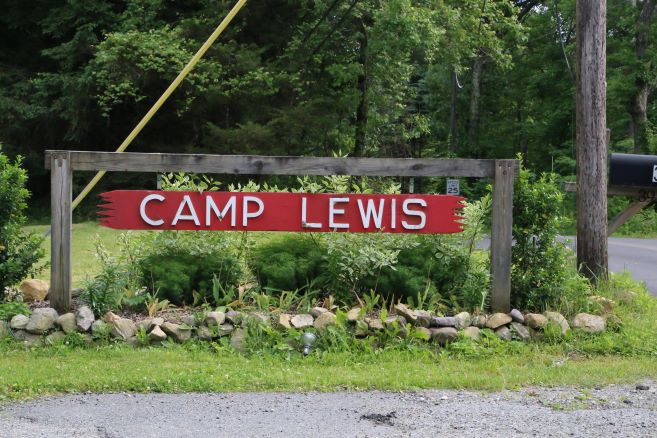
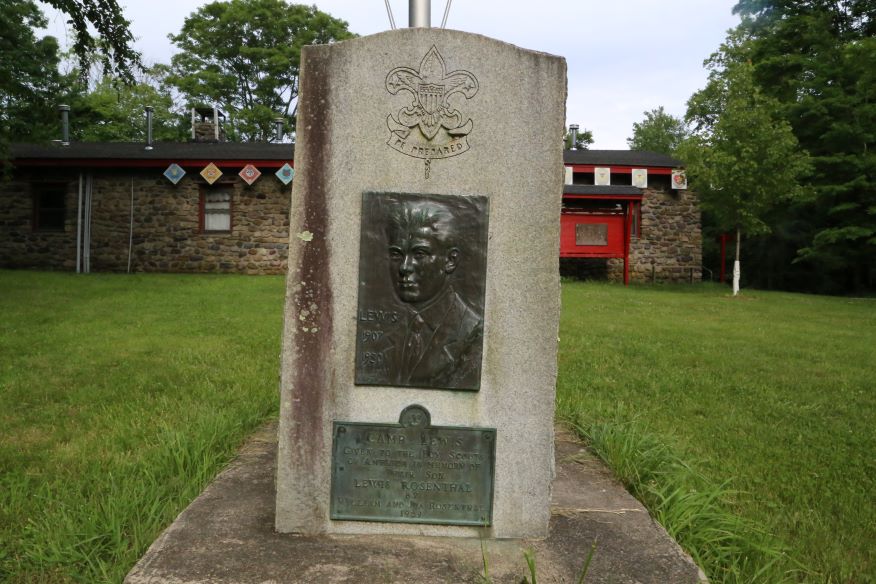
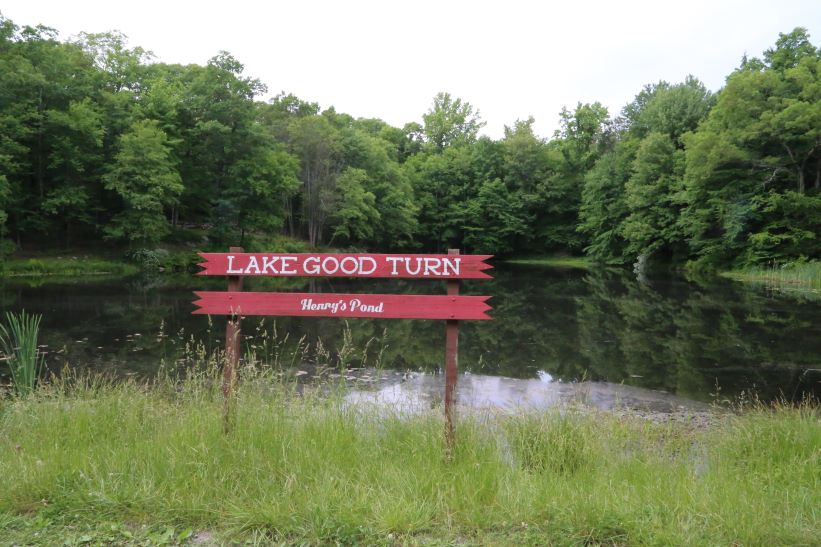
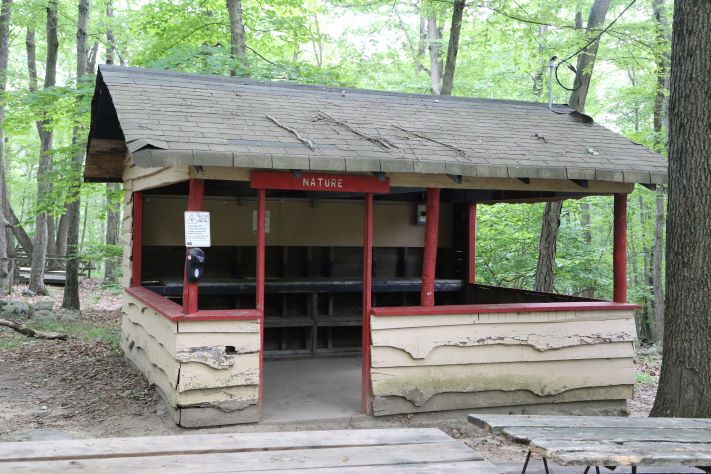
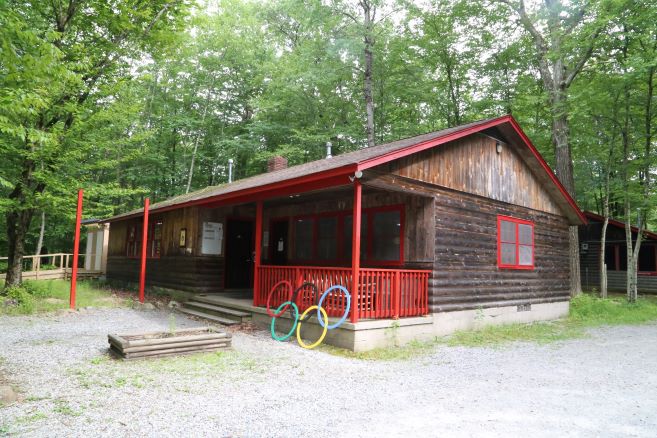
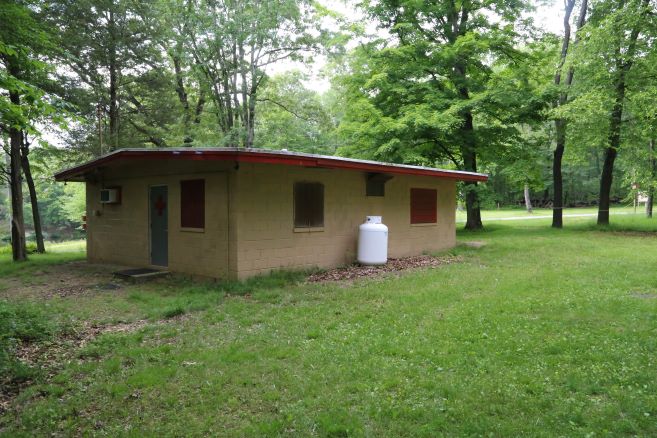
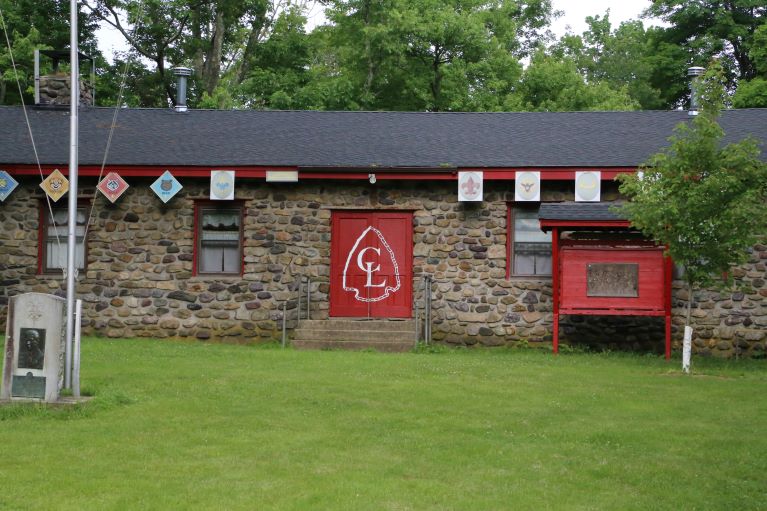
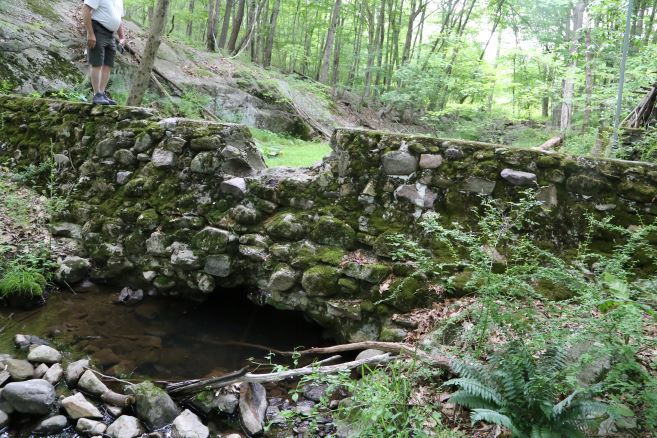
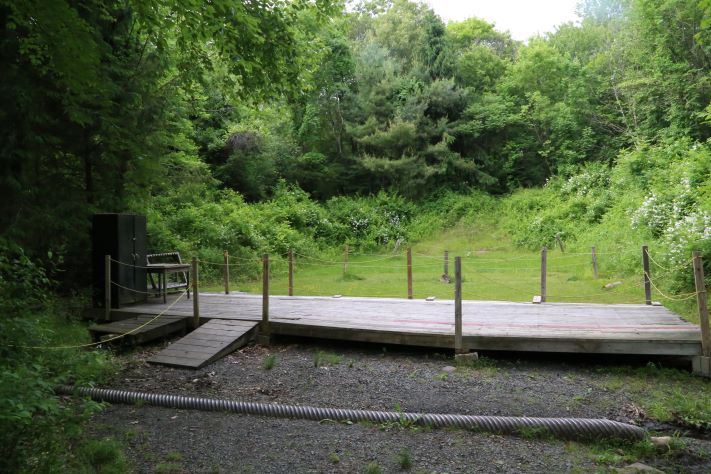
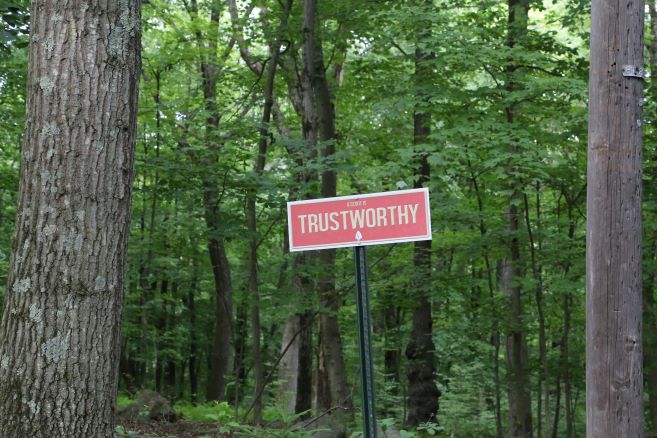
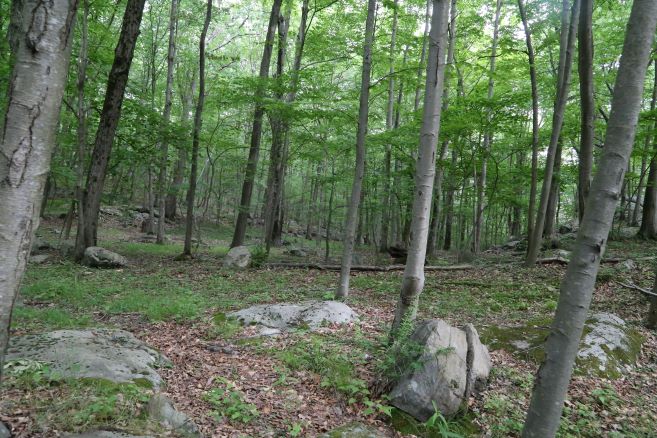
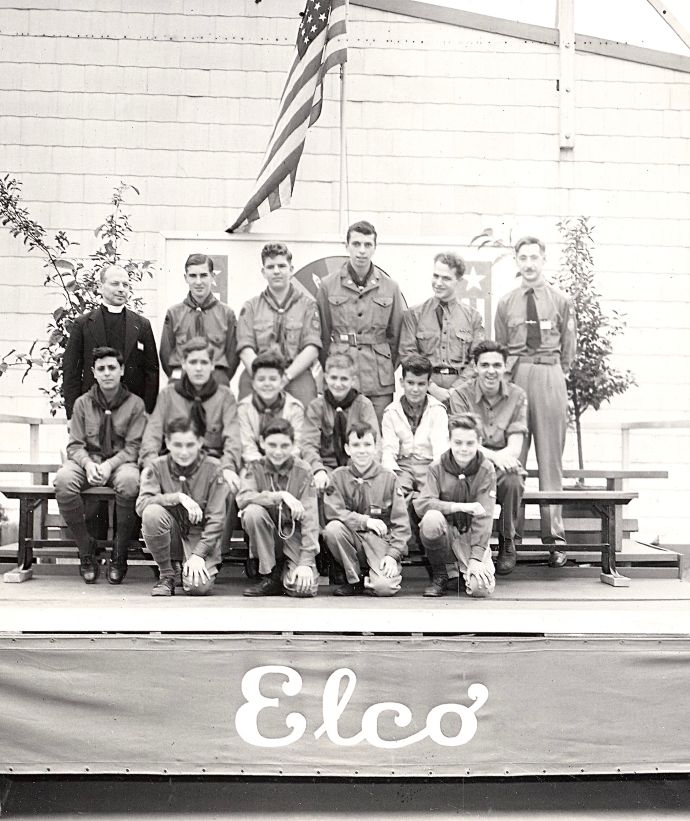
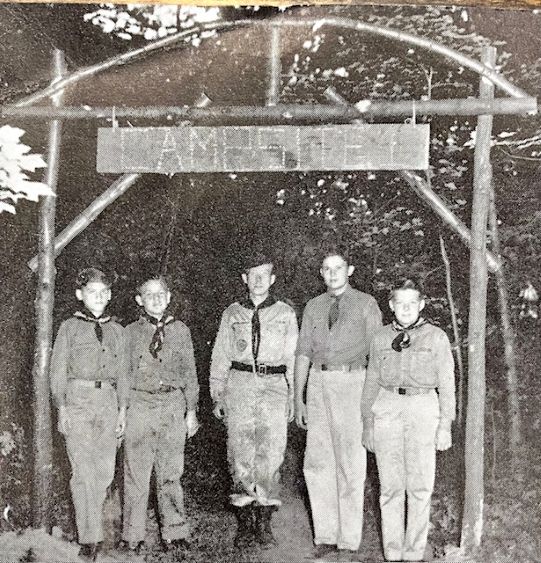
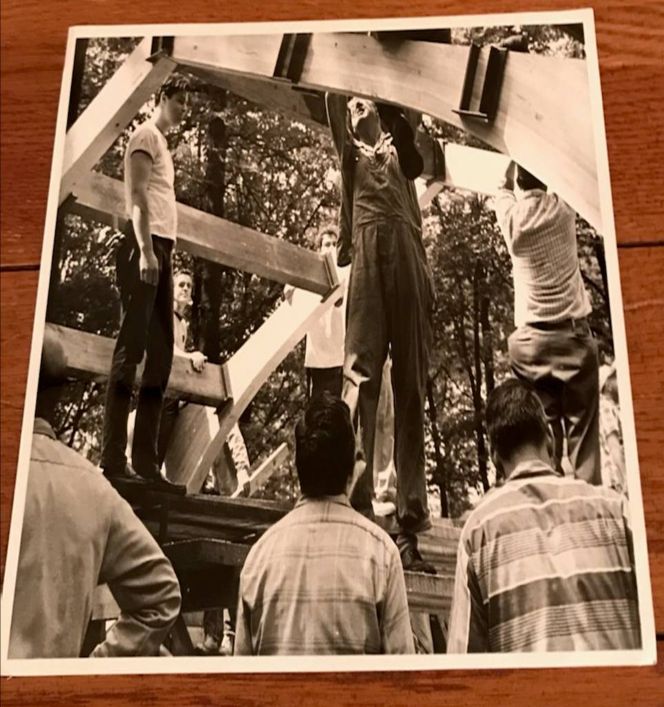
Photos courtesy of Dr. Tom Suczewski


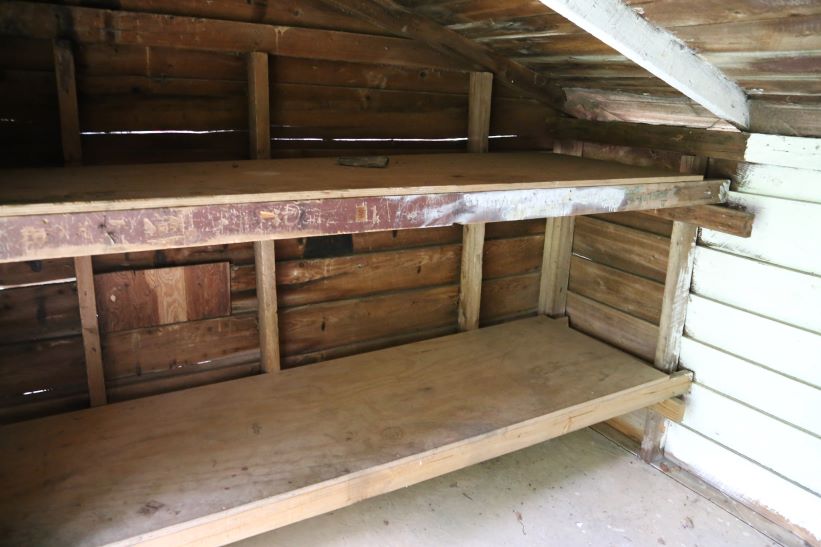
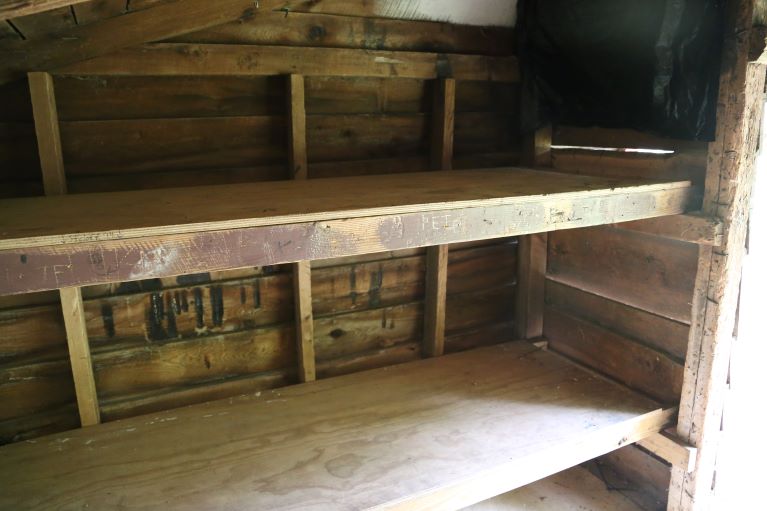
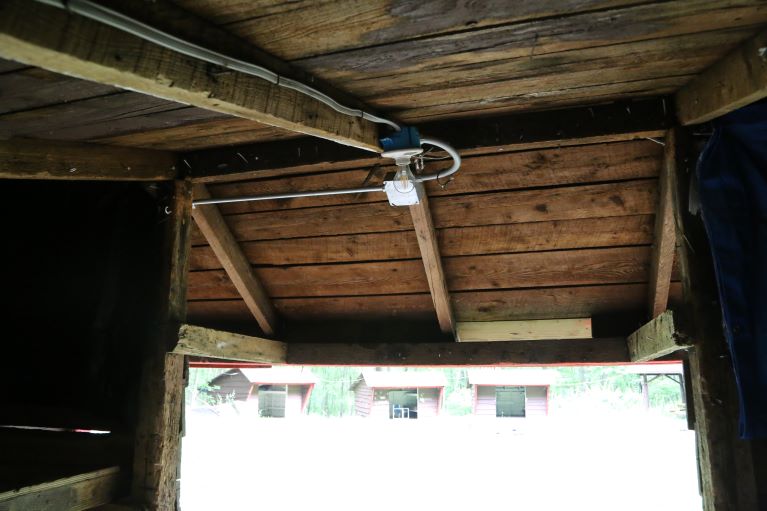
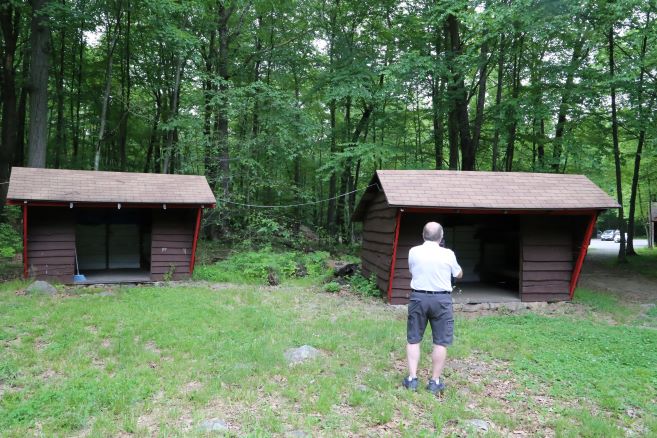
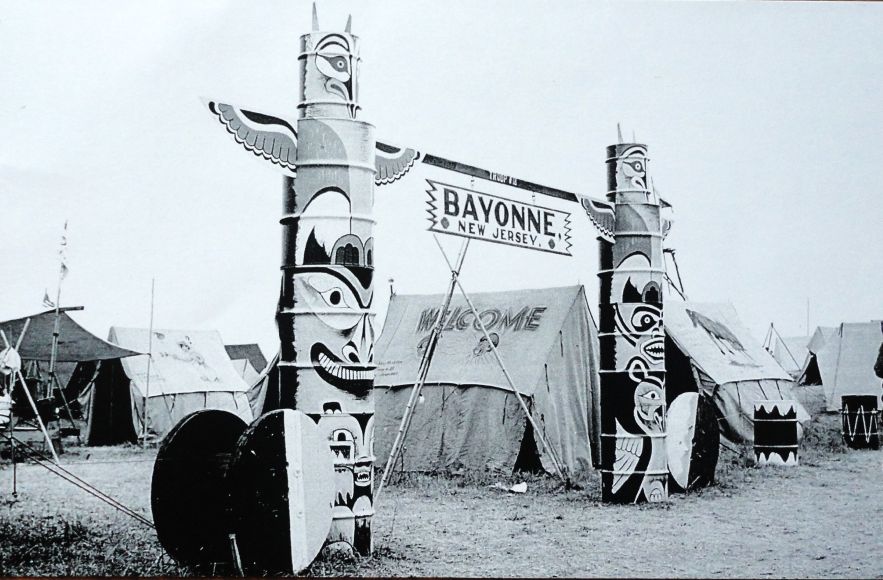
The National Jamboree was held at Valley Forge, PA, in 1950, 1957, and 1964. It is believed this photo is from 1957. The oil drums used for the totem poles were most likely provided by Esso or Texaco. The large cable spools adjacent to the totem poles may have been provided by General Cable who had a presence in Bayonne on First Street and the Boulevard.




Antos,PaulWeeks,MikeHurley-TheVicTavern.jpg)